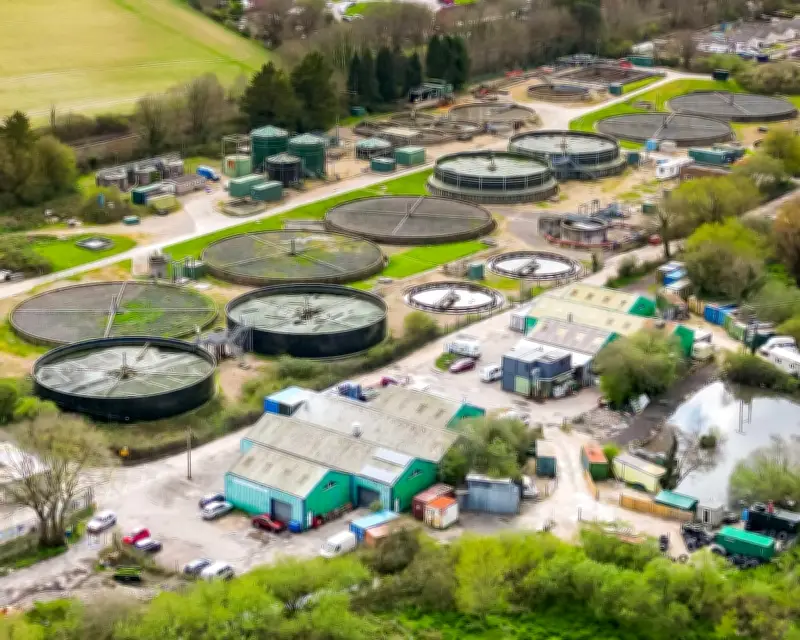
Wessex Water awarded its chief executive an above-inflation pay increase even as the company was banned from paying bonuses because of sewage spills, it has emerged. Ruth Jefferson received a 14% base salary increase in October, from £590,000 to £670,000, before other benefits, according to accounts published this month. It was far above the 3.5% given to workers, and put her pay at 18 times that of the company’s median employee.
Bonus Ban and Pay Controversy
Water industry executive pay has come under intense scrutiny in recent years amid public outrage over sewage spilling into Britain’s rivers and seas. It prompted the government to introduce a bonus ban in 2025 for companies responsible for serious pollution, or which failed financial tests. Malaysian-owned Wessex Water supplies 2.9 million water and sewerage customers in south-west England, including Bristol, Bath and Bournemouth. It revealed in its report that it expected to fall foul of the bonus ban “particularly in relation to environmental and operational metrics”.
Jefferson’s full pay packet for the year reached £791,000 once pension and unspecified other benefits were included. She had received £440,000 the previous year for six months while serving as chief compliance officer and then chief executive.
Anglian Water Retention Payment
Another water company, Anglian Water, awarded its chief executive, Mark Thurston, a £500,000 “retention payment”, despite being banned from paying bonuses. The payment to the former HS2 railway boss was made by Anglian’s parent company, which claimed that it was allowed to do so because the bonus was not linked to performance. Anglian said the payment did not replace bonuses and was made to Thurston in July 2025 from funds that would otherwise have been paid to shareholders “to ensure his retention until January 2027”. The annual report said it had a “long-held, steadfast view that banning bonuses is not helpful” and it would be “more effective to focus on rewarding improvement”. An Anglian Water spokesperson said it paid “targeted, time-limited retention arrangements to maintain leadership continuity”, but that they “do not replace bonuses and are not paid for by Anglian Water Services or customers.” The company said shareholders pay.
Union Criticism and Regulatory Response
Gary Carter, a national officer at the GMB union, said: “The government has tried to stop water company bosses giving themselves hefty bonuses, but they keep finding ways to sneak past the legislation and fill their pockets. Water chief executives haven’t learned the public is sick of obscene pay and company failure – and as long as they can feather their own nests, they will. The onus must be on ministers and the regulator to find a way to stop them.”
Wessex said no payments were made in the most recent year to executive directors from any other group companies, after the Guardian in January revealed £51,000 in previously undisclosed payments to Jefferson and Andy Pymer, the chief financial officer. The Guardian’s reporting was raised by MPs in parliament. Wessex is ultimately owned by Yeoh Tiong Lay & Sons Family Holdings, a company named after its late Malaysian founder and incorporated in the Jersey tax haven. It said it was banned from paying bonuses because “circumstances arose during the year which would trigger the application of the PRP [performance-related pay] prohibition rule, having regard to overall company performance, particularly in relation to environmental and operational metrics”.
Bill Increases and Other Utilities
Wessex was granted permission to increase bills by 21% over five years to pay for upgrades to infrastructure. A Wessex Water spokesperson said: “Following a planned review after her first year in the role, and as reported in our accounts, the chief executive’s salary was adjusted to bring remuneration closer to market benchmarks, having been deliberately set below comparable organisations at the time of appointment.” Yorkshire Water, another of England’s privatised utilities, continued with similar payments from group companies during the year. Its chief executive, Nicola Shaw, received £660,000 from its parent company, Kelda Holdings, according to accounts published last week. The revelation prompted strong criticism of the company from local politicians and campaigners. Ofwat, the regulator, said it would force companies to disclose payments from other group companies. Yorkshire Water’s board said: “The board accepted the criticism received during the year in relation to the lack of disclosure of executive remuneration paid by the parent company of the group, Kelda Holdings Ltd, and has committed to be fully transparent on this in the future to help rebuild trust.”