New Smart Meter Regulations Introduce Compensation and Repair Deadlines
The Labour Government has unveiled a series of stringent new regulations targeting energy providers, specifically addressing widespread issues with smart meters across the United Kingdom. These rules, confirmed through official channels, establish that customers could be entitled to financial compensation under certain circumstances, marking a significant shift in consumer protection within the energy sector.
Compensation Eligibility and the 90-Day Repair Rule
From early May 2026, energy suppliers will be legally required to repair malfunctioning smart meters within a strict ninety-day timeframe. Failure to comply will result in enforcement actions from the energy regulator Ofgem, including potential fines and legal proceedings. Importantly, customers may be eligible for a £40 compensation payout if reported problems are not resolved in accordance with these new standards.
This development follows research by the Martin Lewis MoneySavingExpert team, which revealed that three out of five British consumers who reported smart meter issues to their energy providers waited over three months for a resolution. Faulty devices can lead to inaccurate billing, causing households to pay more than their actual energy usage warrants.

Broader Regulatory Framework and Supplier Obligations
The new regulations encompass three primary components designed to enhance accountability and functionality within the smart meter ecosystem. Firstly, suppliers must submit detailed plans to Ofgem demonstrating their strategies for meeting smart meter installation targets while ensuring these devices operate correctly. Firms are also mandated to take reasonable steps towards completing the nationwide smart meter rollout by 2030.
Secondly, all smart meters still connected to outdated 2G and 3G networks must be replaced, addressing technological obsolescence concerns. Thirdly, the Government is formulating a new Consumer Charter to clearly communicate consumer rights and expectations under these regulations, providing much-needed transparency in an area previously focused solely on installation targets rather than operational reliability.
Martin Lewis and Consumer Advocacy Perspectives
Consumer champion Martin Lewis welcomed the regulatory changes, noting that broken smart meters were a priority issue presented to the Government upon its election. He emphasized that approximately one in five smart meters currently malfunction, undermining both individual households and the broader smart meter rollout initiative.
"We need to shift firms' focus from just installing smart meters to promptly fixing those that are broken," Lewis stated on the MoneySavingExpert website. "While this plan takes a softer approach than we proposed, it represents meaningful progress. I'm particularly pleased about the Consumer Charter development, which will establish definite rights and timetables for consumers."
Compensation Scenarios and Implementation Details
The new regulations align with Ofgem's recently introduced Guaranteed Standards, which established automatic £40 compensation for smart meter-related issues effective February 23, 2026. Consumers may qualify for compensation under several specific circumstances:
- Waiting more than six weeks for an initial smart meter installation appointment
- Experiencing a failed installation appointment due to supplier-controlled faults
- Not receiving a resolution plan within five working days after reporting a smart meter issue
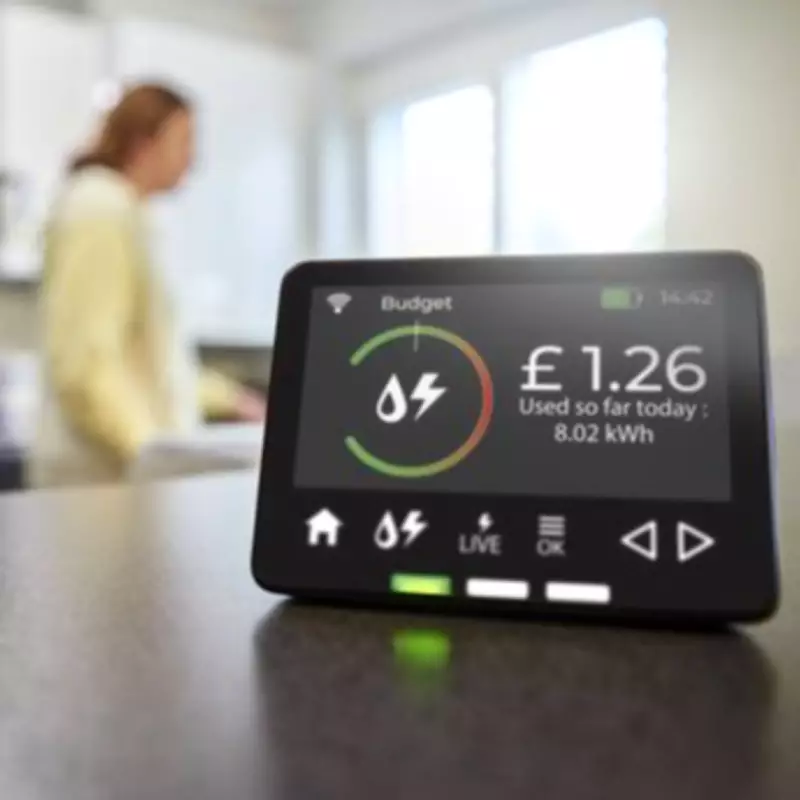
It's important to note that the 90-day repair requirement applies specifically to meters failing to transmit readings to suppliers, excluding repairs for faulty in-home display units. With nearly 40 million smart meters already installed across UK households, these regulations aim to address systemic reliability concerns while protecting consumers from inaccurate billing practices.
Citizens Advice continues to recommend that consumers contact their energy suppliers immediately upon discovering smart meter malfunctions. The combination of repair deadlines, compensation mechanisms, and enhanced regulatory oversight represents a comprehensive approach to resolving long-standing smart meter reliability issues affecting millions of British households.