A leading plumbing specialist has issued a crucial warning to households across the UK, revealing that a common mistake with the thermostat is driving up energy bills and leaving homes cold for longer.
The Thermostat Myth That's Costing You Money
As temperatures plummet in January, the instinct for many is to turn the thermostat dial up to its maximum setting in a bid to warm their property rapidly. However, a specialist from Emergency Plumber London explains this is a fundamental error. Thermostats are not designed to heat a home any faster; they are simple switches that set the desired final temperature.
"Setting your thermostat to an excessively high temperature is just a waste of energy," the expert stated. Cranking the dial simply keeps the heating system running for a longer period until it reaches that often unnecessarily high setting, which piles a substantial sum onto your energy bills without speeding up the initial warm-up.

The Real Key to Instant Warmth: Radiator Valves
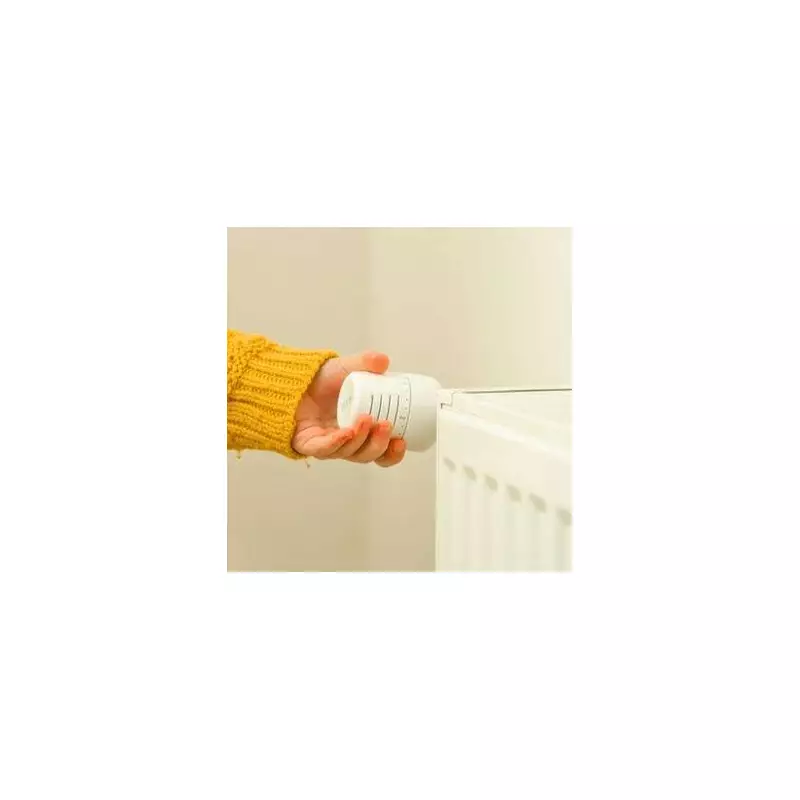
For those seeking quicker warmth, the solution lies not at the thermostat, but at the radiator valves. The expert advises that fine-tuning these valves is the most effective way to distribute heat efficiently.
"A great tip is to turn on the heating system and set the radiator valve in the room you are in to a comfortable level," the plumber recommended. After this, you can adjust the valves in other occupied rooms. Crucially, for rooms that are not in use, close the doors and set the radiator valves to their lowest level.
This works because home radiators operate on a shared hot water system. Leaving valves wide open in empty rooms squanders heat and energy. By shutting them off, more hot water is directed to the radiators in your living spaces, warming them up far more rapidly.
Optimising Your Heating Settings This Winter
While radiator valves control heat room-by-room, the thermostat governs the overall system. The setting is a matter of personal preference, but the specialist cautions against setting it extremely low, as this will significantly increase the time needed to reheat the house.
"Most houses require near one hour to warm up from 16 degrees to 21 degrees," the expert said, advising homeowners to programme their heating accordingly.
To balance comfort and cost during the colder months, the ideal strategy is to set your thermostat between 18°C and 21°C, a range widely regarded as optimal for home comfort. Combining this with smart radiator valve management is the most effective way to stay warm without facing a financial chill when the bill arrives.