As the January chill bites, a common mistake made in households across the UK is not only hiking up energy costs but also leaving homes feeling colder for longer. An expert from Emergency Plumber London has issued crucial advice, warning that most people are using their central heating controls incorrectly.
The Thermostat Myth: Why Turning It Up Doesn't Work
The specialist explains that a widespread misconception is that setting your thermostat to a very high temperature will warm your property more quickly. This is fundamentally wrong. A thermostat does not control the speed at which your home heats up; it is merely a switch that sets the target temperature and keeps the boiler running until that point is reached.
"Setting your thermostat excessively high is just a waste of energy," the expert stated. Cranking the dial to maximum doesn't accelerate the warming process. Instead, it simply forces the heating system to run for a longer period, inevitably piling a substantial sum onto your energy bills without providing any faster comfort.

The Real Key to Instant Warmth: Radiator Valves
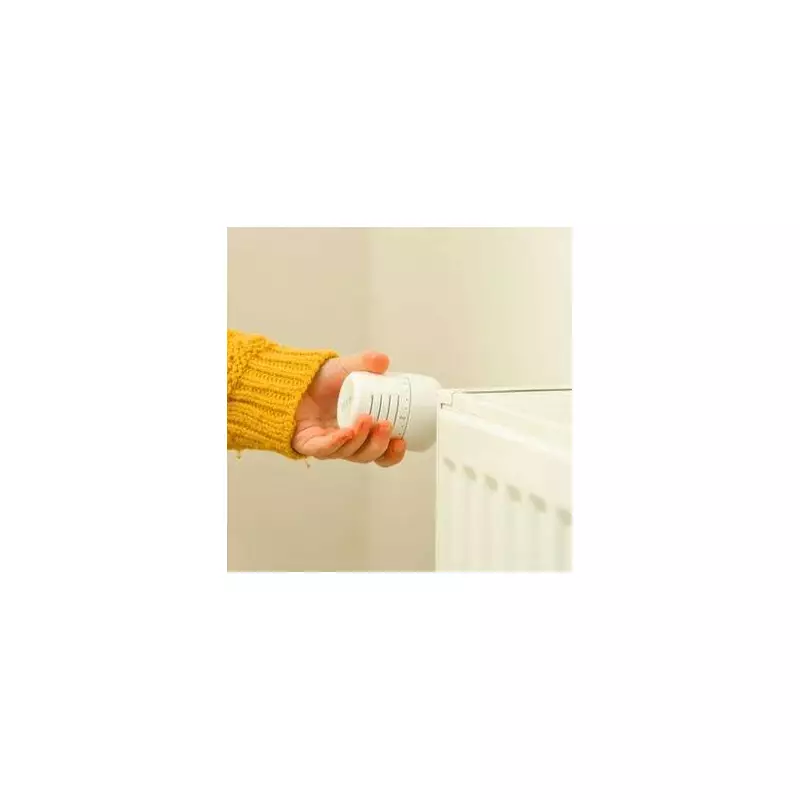
If you want to feel warmer quickly, the solution lies not at the thermostat but at your radiators. The plumbing professional advises that tweaking your radiator valves is the most effective way to distribute heat more efficiently throughout your living space.
"A great tip is to turn on the heating system and set the radiator valve in the room you are in to a comfortable level," the expert recommended. After this, you should adjust the valves in other occupied rooms. Crucially, for rooms that are not in use, you should close the doors and turn the radiator valves down to their lowest setting.
How This Simple Trick Saves Money
This method works because home radiators typically operate on a shared hot water system. Leaving valves wide open in empty rooms squanders heat and energy, diverting precious hot water away from where you need it most.
By shutting off the flow to unused radiators, you redirect more hot water to the radiators in your active living areas. This means the rooms you are actually using will heat up far more rapidly, providing that sought-after instant warmth without the boiler having to work overtime.
Setting the Ideal Temperature for Comfort and Cost
While radiator valves allow for room-by-room fine-tuning, your main thermostat still sets the overall system temperature. The setting is a matter of personal preference, but the expert cautions against setting it extremely low, as this will significantly increase the time needed to reheat your home.
"Most houses require nearly one hour to warm up from 16 degrees to 21 degrees," the specialist noted, advising households to programme their heating accordingly. To balance cosiness with cost-effectiveness during the colder months, aim to set your thermostat between 18°C and 21°C. This range is widely considered the ideal temperature for a home in winter.
In summary, for quicker warmth and lower bills this winter, remember the plumber's rule: stop battling with your thermostat and start managing your radiator valves strategically. It's a simple change that can make a dramatic difference to both your comfort and your bank balance.