Global oil markets experienced a dramatic surge on Monday as geopolitical tensions in the Middle East intensified following Iran's announcement of a new supreme leader and a series of escalating military attacks. Iranian state television confirmed that Mojtaba Khamenei, the son of the late supreme leader and a long-anticipated contender, has been officially named as the successor to lead the nation.
Military Escalation and Regional Response
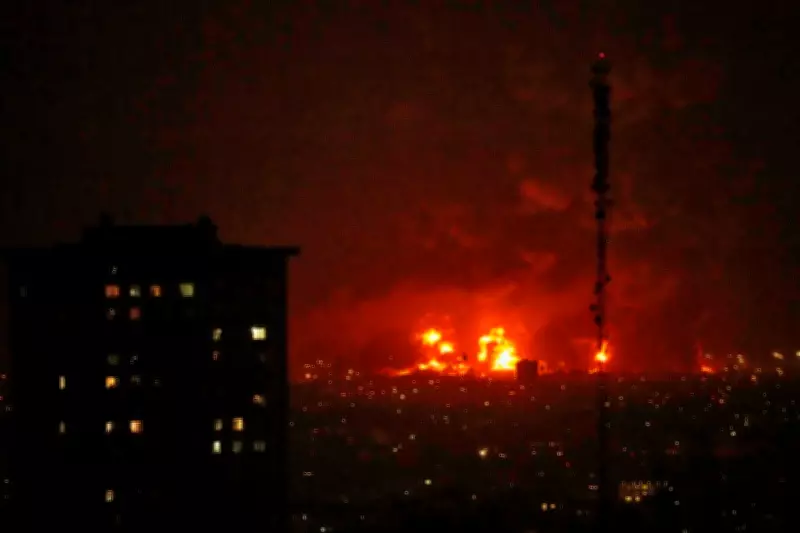
Shortly after the leadership announcement, Iran launched additional attacks targeting Israel and several Gulf countries. The powerful paramilitary Revolutionary Guard, which answers directly to the supreme leader, is expected to see its war strategy heavily influenced by the younger Khamenei's directives.
Saudi Arabia issued a sharp warning to Tehran, stating that Iran would become the "biggest loser" if it continues its assaults on Arab states. This statement followed a new drone attack that appeared to target Saudi Arabia's massive Shaybah oil field, further exacerbating regional instability.

Global Economic Repercussions
The geopolitical turmoil triggered immediate financial market reactions worldwide. Oil prices skyrocketed on Monday, raising significant concerns that higher energy costs could fuel inflation and reduce consumer spending, particularly in the United States where consumer activity serves as a primary economic engine.
Asian markets tumbled in response to the developments. Tokyo's benchmark Nikkei 225 index plunged as much as 7% during early Monday trading, while other regional markets experienced similar declines as investors grappled with the potential economic fallout.
International Diplomatic Efforts
China's Special Envoy Zhai Jun called for an immediate cessation of military actions during meetings in Saudi Arabia. In discussions with Foreign Minister Prince Faisal bin Farhan, Zhai emphasized that attacks on non-military targets and civilians should be universally condemned, according to a statement from the Chinese Foreign Ministry.
The Chinese envoy stressed that the sovereignty, security, and territorial integrity of all Gulf countries must remain inviolable. China, as a major importer of oil and natural gas from the region, has substantial economic interests in maintaining stability. Zhai also met with Jassim Mohammed al-Budaiwi, secretary-general of the Gulf Cooperation Council, to discuss the escalating situation.
South Korea's Economic Countermeasures
South Korean President Lee Jae Myung addressed the crisis during a Cabinet meeting, warning that soaring fuel prices could severely disrupt the nation's economy. Lee urged officials to accelerate efforts to diversify fuel trade routes away from the volatile Strait of Hormuz, a critical chokepoint for global oil shipments.
The president's warning came as South Korea's stock market opened with an 8% plunge, reflecting growing concerns about how the spiraling Middle East conflict could impact an economy heavily dependent on international trade and imported fuel.
Lee directed officials to aggressively utilize a 100 trillion won (approximately $67 billion) market stabilization fund that was activated the previous week. This fund aims to reduce volatility in stock markets and strengthen monitoring of disruptive market activities, including potential fuel price collusion or hoarding practices.
Foreign Minister Cho Hyun revealed that Seoul is actively negotiating with Gulf states to establish alternative trade routes that would reduce reliance on the Strait of Hormuz. These discussions include exploring the possible use of alternative ports in the United Arab Emirates to ensure more secure energy supplies.