Energy Customers Alerted to New 90-Day Smart Meter Repair Rule Now in Force
Customers of major energy suppliers including Octopus Energy, British Gas, E.ON Next, OVO Energy, Scottish Power, and EDF have been notified about a significant new regulation that has recently come into effect. The 90-day rule mandates that energy companies must repair faulty smart meters within three months or face potential penalties from the regulator.
Compensation and Performance Standards
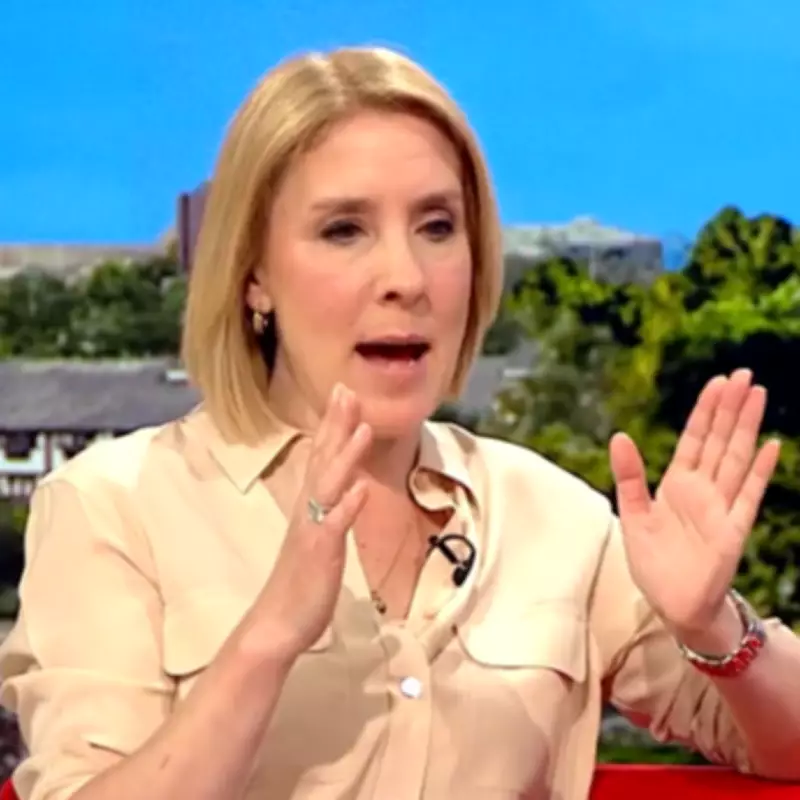
BBC Breakfast expert Zoe Conway explained that under these newly implemented rules, consumers will receive £40 compensation when specific service failures occur. This includes situations where customers wait more than six weeks for a smart meter appointment, when installation appointments fail due to supplier-controlled faults, or when suppliers fail to provide a resolution plan within five working days of a reported issue.
"Smart meters provide real-time data of your gas and electricity use," Conway stated during the broadcast. "They also allow you to access cheaper nighttime rates—that is, when they actually work properly."

Scale of the Problem and Regulatory Action
The government has revealed that approximately three million out of 40 million smart meters in the UK are currently faulty or malfunctioning. This substantial number has prompted regulatory action to ensure better performance from energy suppliers.
Energy regulator Ofgem announced these new guaranteed standards of performance for smart meters last year, with the rules officially going live last month. The regulator has emphasized that suppliers now have 90 days to repair faulty smart meters, after which Ofgem could impose fines or take legal action against non-compliant companies.
Customer Experiences and Industry Response
Customer Tony Harris shared his frustrating experience with BBC Breakfast, revealing that his smart meter has been out of commission for two and a half years. "It's extremely frustrating, really," Harris explained. "We need to take advantage of the cheaper off-peak tariffs that are available, and we just can't. You see all these adverts telling people 'use your electricity overnight, get a discount'—and we get none of that."
Energy UK, representing the energy suppliers, responded to the new regulations by stating: "It's right that the standards of high performance that have been set by suppliers are maintained... and we welcome the Government framework placing greater emphasis on ensuring that existing smart meters are operating properly—rather than obliging suppliers to concentrate purely on installing new meters."
Progress and Future Reviews
According to government statistics, more than 70% of households across the UK currently have a smart meter or advanced meter installed. Since 2024, more than 900,000 previously non-operating smart meters have been repaired or replaced, demonstrating some progress in addressing the widespread issues.
Melissa Giordano, deputy director of systems and processes at Ofgem, commented: "Smart meters offer customers accurate bills, cheaper tariffs, and real-time energy use tracking. Every customer who wants a smart meter should get one quickly, and it should work from day one. These new rules will set clear expectations of suppliers, drive better performance, and protect consumers when things go wrong."
Ofgem has confirmed it will review these standards again in early 2027 to ensure they continue meeting consumer needs effectively. The new guaranteed standards are designed to support the continued rollout of smart meters to households across the UK while addressing the significant number of malfunctioning devices currently affecting millions of consumers.