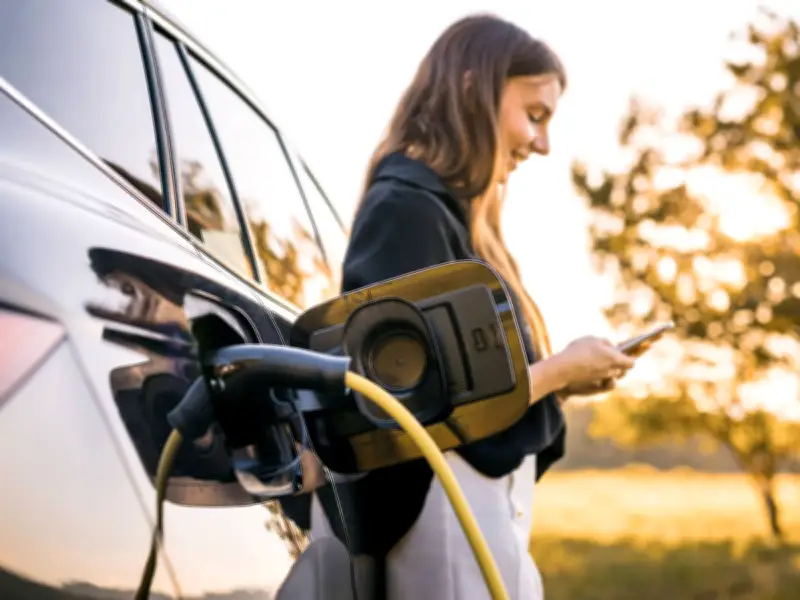
Electric car owners in the UK are facing a new annual charge of up to £52 after Ofgem's energy price cap rose on July 1, increasing the maximum energy rate from 24.67p/kWh to 26.11p/kWh. The change affects approximately two million electric vehicle (EV) drivers who charge at home.
Impact on Charging Costs
According to experts at WhatCar?, larger vehicles such as SUVs could see additional costs of up to £52.12 per year. Smaller models like the Renault 5 would face a lower increase, with average bills rising by £22.06 annually. WhatCar? calculated these figures based on the typical EV driver plugging in for the equivalent of 33.3 charges per year.
The new cap applies from July 1 to September 30, meaning drivers will face higher costs for at least two more months. Claire Evans, WhatCar?'s consumer editor, said: "The electricity price cap increase is bad news for all consumers, including EV drivers, but there are ways of mitigating the extra cost. Do your research on the best EV home charging tariffs to ensure you're on the cheapest option, take advantage of affordable workplace charging if you can, and look for off-peak deals and special offers on the public charging network."
Cost Comparison with Petrol and Diesel
Specialists at Carwow noted that a typical EV consumes three to four miles per kWh. Under the new tariffs, covering 1,000 miles could cost roughly £65 to £85 in electricity. Charging a 60kWh battery from empty would cost approximately £15.67. Despite the increase, experts agree that EVs remain generally cheaper to operate than petrol or diesel cars.
Broader Energy Bill Impact
The price cap adjustment is also expected to add around £221 annually to the average household energy bill. Gordon Wallis, energy expert at Your NRG, said: "Many households won't immediately feel the impact of the price rise because energy usage tends to be lower during summer. However, that can create a false sense of security. The decisions people make now could have a significant impact on what they pay during the colder months when energy consumption increases."