Energy Crisis Fears Mount as Natural Gas Prices Nearly Double in 48 Hours
Fears of a global energy crisis are intensifying after attacks in the Gulf region, following strikes on Iran by the US and Israel, have triggered significant commodity price increases. In a dramatic 48-hour period, oil prices have risen by almost 18 per cent, while natural gas has surged by a staggering 93 per cent, nearly doubling in cost.
Qatari LNG Plant Shutdown Exacerbates Supply Concerns
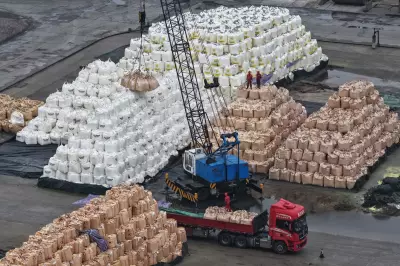
The price spike has been compounded by the shutdown of a Qatari gas plant, which is responsible for approximately 20 per cent of the global supply of liquified natural gas (LNG). This disruption has raised serious concerns about energy supply stability, particularly for major buyers such as China and India, who rely heavily on imported LNG.
Immediate and Long-Term Impacts on UK Households
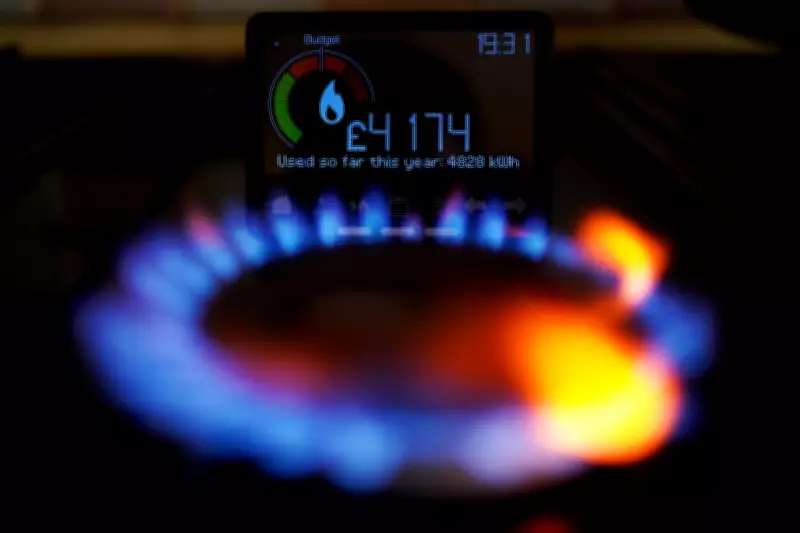
For UK homes, the immediate impact on energy bills is likely to be limited, as the current price cap is set to remain in place until July. However, experts warn that prolonged global volatility could lead to price hikes in the longer term, potentially affecting winter energy costs. Analysts emphasise that Britain remains vulnerable to external factors that could drive up household bills, despite increased integration of renewables since 2022, which is expected to mitigate the shock compared to previous crises.

Broader Economic and Geopolitical Risks
Concerns are growing that if the situation in the Gulf escalates further, including threats to the crucial Strait of Hormuz, it could lead to a sustained rise in US gas prices. This, in turn, might trigger a more significant energy price shock in Europe, potentially impacting inflation and interest rates. The need for further investment in green energy infrastructure is highlighted as a critical measure to enhance energy security.
In summary, while the UK may not see immediate bill increases, the combination of geopolitical tensions and supply disruptions underscores the fragility of global energy markets and the importance of strategic planning to safeguard against future crises.