Ministers Issue Stern Warning to Petrol Retailers Over Unfair Practices
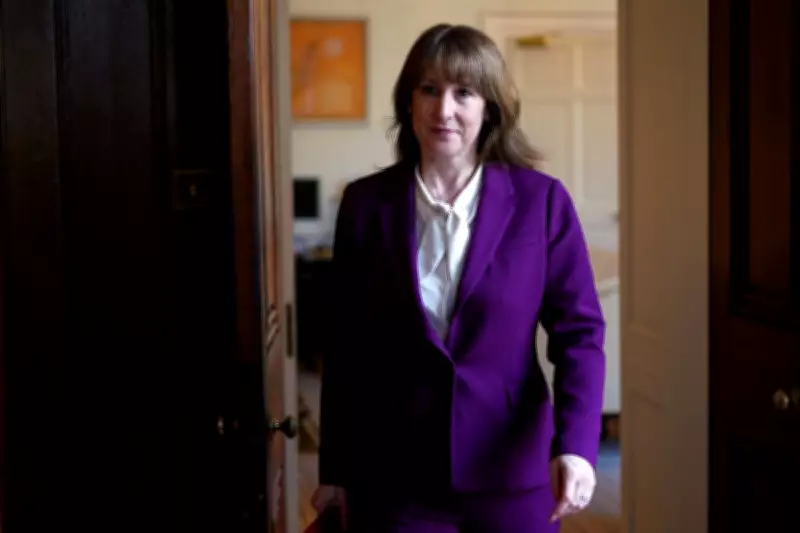
Chancellor Rachel Reeves and Energy Secretary Ed Miliband have called in forecourt operators for a high-stakes meeting at 11 Downing Street, delivering a clear warning against unfair practices in the fuel industry. This urgent summit was convened in direct response to mounting concerns about the impact of the Middle East crisis on household finances, as global oil price volatility threatens to squeeze motorists further.
Shared Obligation to Keep Prices Down
During the meeting, Chancellor Reeves emphasized that petrol retailers have a shared obligation to maintain reasonable prices for consumers. We have concerns around the high prices and we do have a shared obligation, she told industry executives, including representatives from major firms like Shell. Reeves thanked the petrol bosses for their cooperation but insisted on an open and frank conversation about pricing transparency.
Energy Secretary Ed Miliband reinforced this message with a stark warning: We have said so clearly that we won't tolerate unfair practices either here or anywhere else in the industry. He stressed the government's duty to ensure consumers are treated fairly during this crisis, particularly as households face additional financial pressures.

Retailers Voice Concerns Over Inflammatory Language
The meeting nearly didn't happen after the Petrol Retailers Association threatened to withdraw, citing inflammatory language from government officials that they claimed had led to abuse against forecourt workers. PRA executive director Gordon Balmer expressed serious concerns that terms like price gouging and ripping off had provoked public hostility toward staff.
Recently, I have heard of incidents from some of our members of retail staff being abused by members of the public, Balmer reported. Our members are working hard in difficult circumstances, making sure that motorists and businesses are getting the fuel they need, at prices that are very competitive, on razor-thin or in some cases negative margins.
The PRA ultimately agreed to participate after receiving Treasury assurances that discussions would remain largely private, allowing for what they described as a conversation to explain how the fuel market works. Balmer emphasized that their door remains open for constructive dialogue to help politicians better understand market dynamics.
Market Realities and Government Action
The backdrop to this confrontation is stark economic reality. The RAC reported this week that diesel prices have surged by nearly 9% since February 28, with petrol prices averaging 6% higher. These increases are directly linked to global oil price hikes resulting from Middle East tensions, particularly the Iran conflict.
In response, Chancellor Reeves has asked the Competition and Markets Authority to crack down on what she termed rip-off fuel prices, specifically targeting potential profiteering during this period of high oil prices. The CMA has already put fuel retailers on notice about intensified monitoring of petrol and diesel pricing.
Meanwhile, the government has promised intervention if companies engage in unfair practices that could affect customers, particularly regarding home heating oil prices which fall outside Ofgem's energy price cap regulations.
Broader Policy Implications
The fuel price crisis has reignited debates about broader energy policy and taxation. The AA has warned that motorists will be stung by inevitable rising costs due to global market conditions and has called on Chancellor Reeves to delay a planned increase in fuel duty. Reeves faces opposition pressure to abandon her decision to gradually phase out a 5p cut to the levy, beginning with a 1p increase scheduled for September.
Prime Minister Sir Keir Starmer has indicated the government will keep the situation under review in light of the Middle East conflict, suggesting potential policy adjustments if conditions worsen. For now, the government is directing drivers to use its Fuel Finder service to compare prices across different petrol stations nationwide.

This confrontation between ministers and petrol retailers highlights the delicate balance between market realities, consumer protection, and political accountability during times of international crisis. As Middle East tensions continue to influence global oil markets, both sides acknowledge that there is clearly still a lot of work to do to ensure fair treatment for motorists while maintaining a functional fuel supply chain.