Ministers Confront Petrol Retailers Over Rising Fuel Prices
Chancellor Rachel Reeves and Energy Secretary Ed Miliband have issued a stern warning to petrol retailers, calling them to account for what they describe as "unfair practices" in the industry. This high-stakes meeting at 11 Downing Street was convened in direct response to escalating concerns over the impact of the Middle East crisis on household finances, with fuel prices soaring to an 18-month high.
Government Demands Fair Treatment for Motorists
During the tense discussions, Chancellor Reeves emphasised a "shared obligation" between the government and fuel retailers to keep prices down for motorists. She thanked industry chiefs for their cooperation but insisted on an "open and frank conversation" about the alarming price hikes. Energy Secretary Ed Miliband was unequivocal, stating that the government "will not tolerate unfair practices" and is committed to ensuring consumers are treated fairly throughout this crisis.
Petrol Retailers Respond to Accusations
The meeting nearly collapsed before it began, as the Petrol Retailers Association (PRA) threatened to withdraw over claims that the government's "inflammatory language" had incited public abuse against forecourt workers. Gordon Balmer of the PRA highlighted incidents where staff faced hostility, blaming terms like "rip-offs" and "profiteering" used by ministers. The PRA ultimately participated after receiving assurances of privacy, allowing them to explain the complexities of the fuel market.
Balmer defended the industry, noting that retailers are operating on "razor-thin or in some cases negative margins," meaning they are losing money while striving to serve the public. He called for more constructive dialogue to help politicians understand market dynamics.
Fuel Price Surge and Economic Impact
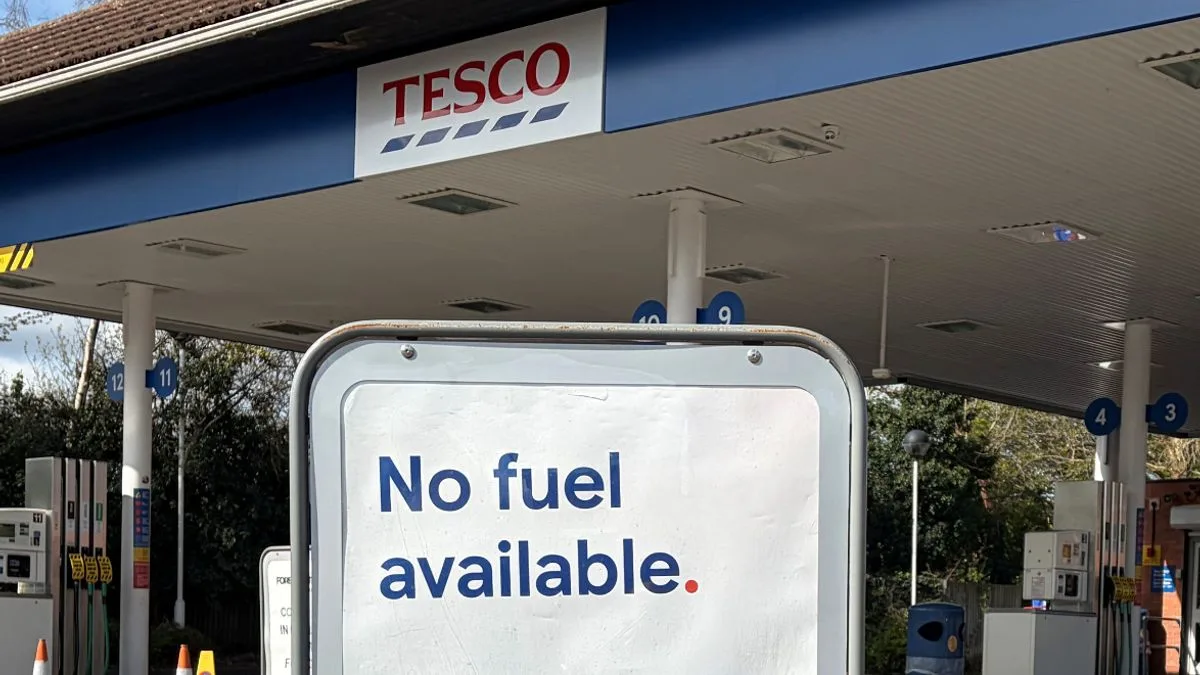
Recent data from the RAC reveals a sharp increase in fuel costs since the onset of the Middle East conflict. The average price for a litre of unleaded petrol has risen by 8p to 140.60p, marking a 6% jump and the highest level in 18 months. Diesel prices have skyrocketed by 12%, or nearly 17p, reaching 159.2p per litre—a peak not seen since November 2023. This surge means filling a family car now costs £4 to £9 more than just two weeks ago.
Simon Williams, head of policy at the RAC, expressed concern over the rapid price increases, urging fairness for drivers. The AA warned that motorists will face inevitable rising costs due to global price hikes and called on Chancellor Reeves to delay a planned fuel duty increase.
Government Actions and Future Oversight
In response to the crisis, Chancellor Reeves has tasked the Competition and Markets Authority (CMA) with cracking down on "rip-off" fuel prices to prevent profiteering. The CMA has already put fuel retailers "on notice" for enhanced monitoring of petrol and diesel prices. Prime Minister Sir Keir Starmer has assured the public that the situation is "under review," while the government promotes its Fuel Finder service to help drivers compare prices across the UK.
This meeting underscores the growing tension between government intervention and market forces as households grapple with the financial strain of escalating fuel costs amid ongoing global instability.