Iran Conflict Severely Disrupts Global Energy Trade Through Vital Strait
The ongoing military confrontation with Iran has created major disruptions to oil and liquefied natural gas shipments passing through the strategically crucial Strait of Hormuz. This vital maritime corridor, which handles approximately one-fifth of global crude oil and LNG trade, has become a focal point of energy security concerns as supply constraints drive prices upward and threaten broader economic stability worldwide.
Asia's Heavy Reliance on Hormuz Passage Creates Vulnerability
Asian economies face particularly acute exposure to these disruptions due to their substantial dependence on imported energy resources transported through this narrow waterway. According to energy consultancy Kpler, approximately 13 million barrels of oil moved through the corridor daily during 2025, representing about one-third of all seaborne crude shipments globally. Additionally, roughly 20% of the world's LNG supply traverses these straits, with more than 80% of that LNG destined for Asian markets according to U.S. Energy Information Administration data from 2024.
Since hostilities with Iran commenced, Brent crude prices have surged by 15% to approximately $84 per barrel, reaching their highest levels since July 2024. U.S. President Donald Trump has announced potential naval protection and risk insurance for commercial shippers, but the economic repercussions extend far beyond the immediate conflict zone. When energy supplies tighten, wealthier nations typically outbid developing economies for limited cargoes, creating dangerous shortages in more vulnerable regions—a pattern previously observed during the 2022 energy crisis following Russia's invasion of Ukraine.

Major Asian Economies Confront Distinct Energy Challenges
China and India Face Magnified Risks
As the world's largest and third-largest crude oil importers respectively, China and India confront particularly significant challenges from sustained price increases. China imported approximately 1.4 million barrels daily from Iran last year, representing about 13% of its total seaborne crude imports according to Kpler estimates. While China maintains substantial strategic petroleum reserves and alternative supply options including discounted Russian crude, analysts emphasize that pricing rather than availability represents the primary concern.
India's situation appears more precarious, with domestic crude reserves estimated to last less than one month. Energy analyst Vibhuti Garg from the Institute for Energy Economics and Financial Analysis warns that the coming weeks will prove critical, with potential for rapid deterioration in fuel availability and inflationary pressures if the conflict persists.
East Asian Nations Exhibit High Exposure to Disruptions
Japan, South Korea, and Taiwan demonstrate especially pronounced vulnerability to Middle Eastern energy flow interruptions. Japan imported 2.34 million barrels of crude daily in January, representing approximately 95% of its total imports that month, while frequently ranking as the world's second-largest LNG importer. South Korea relies almost entirely on energy imports, sourcing around 70% of its crude oil and 20% of its LNG from the Middle East according to trade association data.
Although these nations maintain strategic stockpiles, analysts caution that reserves provide only temporary buffers. Energy-intensive industries—particularly Taiwan's semiconductor sector—remain exposed to sustained supply disruptions. Grant Hauber of IEEFA notes that governments are operating in "hope for the best, prepare for the worst" mode, with some potentially regretting insufficient earlier investment in renewable energy diversification.
Southeast Asian Economies Brace for Economic Impacts
Developing Southeast Asian nations face the dual challenge of rising energy costs and potential supply shortages as wealthier countries compete for limited cargoes. Singaporean authorities have warned businesses and households to anticipate higher energy bills, while Philippine officials have implemented fuel conservation measures including restrictions on non-essential travel and government vehicle usage.

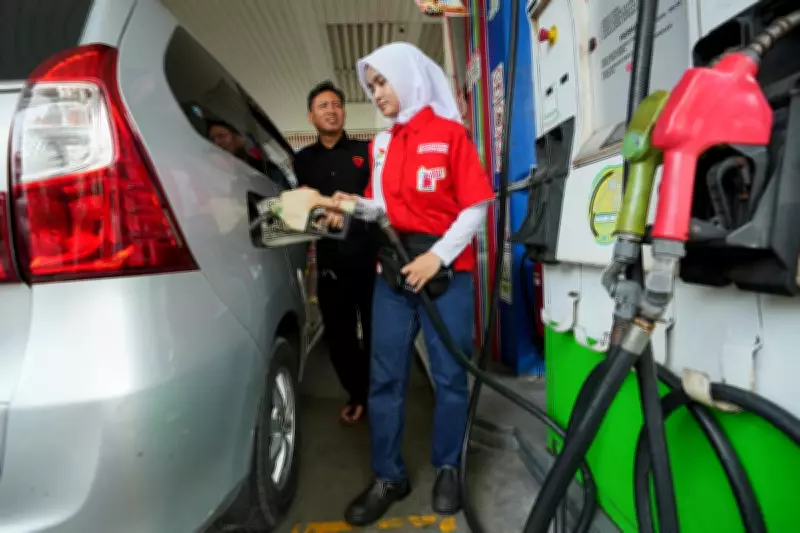
In Thailand, where officials have urged public energy conservation, motorists have formed queues at filling stations as prices escalate. The government has suspended petroleum exports to bolster domestic reserves while increasing natural gas production from regional sources. However, Thailand's heavy reliance on spot-market LNG leaves it "highly exposed to price and geopolitical volatility" according to analyst Amy Kong of Zero Carbon Analytics, creating vulnerability in potential bidding wars with wealthier nations.
The broader economic implications extend beyond immediate fuel costs. Zulfikar Yurnaidi of the ASEAN Centre for Energy warns that prolonged disruption could "not only raise oil and gas prices but also grind global economic activity to a halt," highlighting the interconnected nature of modern energy markets and economic stability.