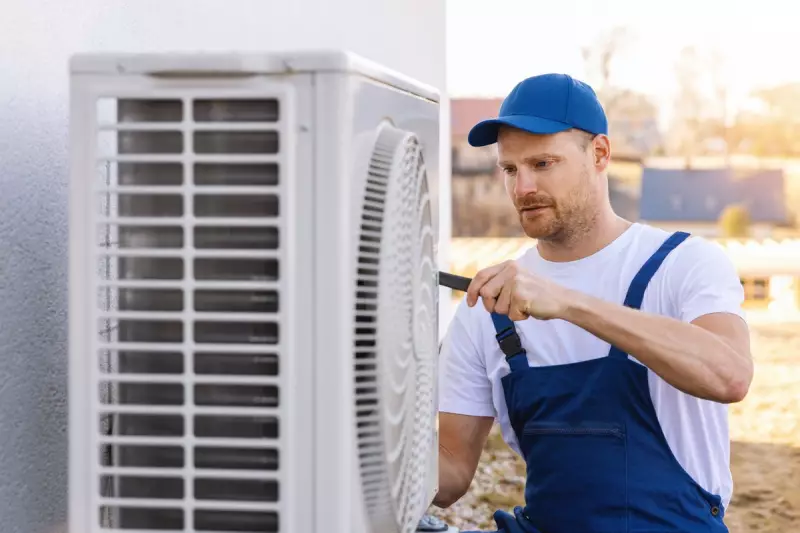
Heat pumps are rapidly emerging as a leading alternative to traditional gas boilers, championed for their efficiency and lower carbon footprint. However, with rising public interest comes confusion, as selecting the correct system for your property is not a simple task. The optimal choice hinges on your specific home, heating requirements, and readiness for potential upfront work.
Understanding Heat Pump Basics and Types
In essence, a heat pump is an electric heating system that moves existing heat rather than generating it by combustion. It extracts low-level thermal energy from the outside air or ground and upgrades it to a higher temperature to warm your home and provide hot water.
This transfer process means heat pumps can deliver more energy than the electricity they consume. They operate most efficiently at lower temperatures than gas boilers, making factors like home insulation and radiator size critically important.

The primary decision for homeowners is between air source and ground source systems. Air source heat pumps are the most common in the UK. They extract heat from the ambient air via an external unit and are generally cheaper and quicker to install, suiting most homes with adequate outdoor space.
Ground source heat pumps draw heat from pipes buried in the ground. They offer more consistent year-round efficiency due to stable subterranean temperatures but involve more disruptive and expensive installation, often making them a specialist option for rural properties or homes with large gardens.
Assessing Your Home's Suitability and System Size
A major myth is that heat pumps only function in new builds. Many older properties can be suitable, but preparation is key. Success depends heavily on reducing heat loss, so effective insulation in lofts, walls, and draught-proofing is paramount.
As heat pumps run at lower flow temperatures, your home may require larger radiators or additional heat emitters, like underfloor heating, to distribute warmth evenly. The age and layout of your property will influence the extent of any necessary upgrades.
Outdoor space is another vital consideration. Air source units need a clear area with good airflow, while ground source systems require sufficient land for trenches or boreholes.
Ultimately, suitability is defined by your home's heat loss, not its age. A professional heat-loss assessment is essential to confirm viability and identify required improvements. This assessment also determines the correct size and output of the heat pump, which is critical. An undersized system will struggle in winter, while an oversized one is less efficient and more costly.
Navigating Costs, Grants and Finding an Installer
Installation costs for heat pumps remain higher than for gas boilers, varying by system type and property. However, homeowners in England and Wales can access the Boiler Upgrade Scheme, which provides a £7,500 grant towards installation.
Running expenses depend on electricity prices, system efficiency, and your home's insulation. In a well-insulated property, a heat pump can offer comparable or lower running costs than gas heating while significantly cutting carbon emissions.
Choosing the right installer is crucial. Seek out MCS-certified professionals who conduct full home surveys rather than providing estimates based on limited information. Companies like Octopus Energy offer end-to-end services, managing the process from assessment to installation and ongoing support. Regular servicing is also needed to maintain long-term efficiency.
Making a confident choice means selecting a system that aligns with your home, budget, and long-term plans. By understanding the options, verifying your home's suitability, and securing a proper survey, you can embrace this reliable, lower-carbon heating technology for the future.