Fuel Prices Could Surge 20p Per Litre After Spring Statement, Warns Campaigner
Fuel Prices Could Jump 20p Per Litre After Spring Statement

Fuel Campaigner Warns of Potential 20p Per Litre Price Surge

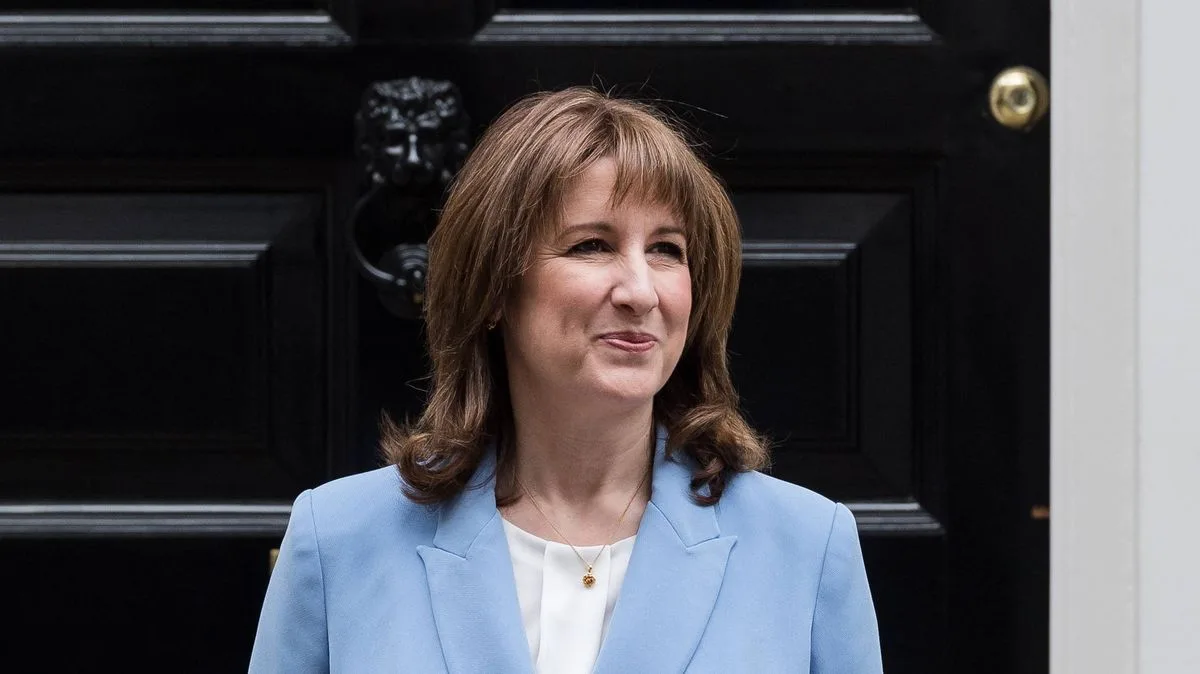
Drivers across the United Kingdom are facing the alarming prospect of significant fuel price increases in the coming weeks. Howard Cox, founder of the FairFuelUK campaign, has issued a stark warning that petrol and diesel costs could rocket by as much as 20p per litre. This forecast follows Chancellor of the Exchequer Rachel Reeves' recent spring statement and escalating tensions in the Middle East, which have already driven oil prices higher.

Immediate Impact of Global Events on Oil Markets

The conflict in the Middle East has triggered a sharp rise in global oil and gas prices, reversing a recent trend of falling costs that many households had grown accustomed to. At the time of writing, a barrel of crude oil had already surpassed $84, reflecting the immediate market reaction to geopolitical instability. Cox emphasised that this development could add between 5p and 10p per litre to fuel prices within the next week alone.

"This was a missed economic growth opportunity for the Chancellor amid a new damaging oil crisis," Cox stated. "With refineries, oil tankers and the Straits of Hormuz being targeted, oil prices will continue to climb relentlessly."

Historical Patterns Point to Further Increases

Based on historical data, a sustained rise in Brent crude oil to $100 per barrel could result in additional increases of 10p to 20p per litre for both petrol and diesel within weeks. This scenario mirrors the dramatic price surges witnessed in 2022 when oil prices hit $120 per barrel following Russia's invasion of Ukraine. Cox criticised what he described as decades of inadequate planning by UK politicians to achieve self-sufficiency in oil and gas production.

"For over two decades, our clueless politicians have not planned to be self-sufficient in oil and gas production," he remarked. "They should be held to account for making the UK reliant on imports."

Calls for Government Intervention and Regulatory Oversight

FairFuelUK is urgently calling on Chancellor Rachel Reeves to implement measures to mitigate the impact on consumers. The campaign group advocates for a reduction in Fuel Duty or, at the very least, a commitment to freeze it for the duration of the current parliament. Additionally, Cox highlighted concerns about potential profiteering within the fuel supply chain.

He called for the rigorous and legal implementation of FairFuelUK's proposed PumpWatch scheme to prevent opportunistic price hikes. "Independent retailers are held to ransom by ruthless cash-grabbing wholesalers and the big brands," Cox explained. "We will see punitive hikes, as the secret pump pricing algorithm that makes no logical sense to anyone will be ruthlessly exploited yet again by the fuel supply chain."

Contrasting Perspectives from Industry Experts

Simon Williams, head of policy at the RAC, offered a more measured assessment of the situation. While acknowledging the recent increase in wholesale fuel costs, he suggested that drivers should not experience an immediate shock at the pumps. Williams noted that wholesale prices had been rising gradually in recent weeks, and the impact of the latest crude oil price increase should take over a week to filter through to forecourts.

"We really shouldn't see a shock jump in prices at the pumps as wholesale fuel costs had only been rising gradually in recent weeks," Williams said. "Even though the price of dated Brent crude rose by $5 a barrel yesterday to $78, the impact of this shouldn't be felt for over a week."

He urged retailers to act fairly, stating: "But knowing the tendency for price increases to be passed on far more quickly than cuts, on behalf of drivers we urge retailers not to put up the price of fuel they've already got in forecourt tanks and reflect any increases in wholesale fuel fairly on the forecourt."

Government Response and Economic Strategy

In her address to the Commons following the spring statement, Chancellor Rachel Reeves defended her economic strategy. She asserted that the Treasury is now in a "better place" to withstand volatility in gas and oil prices compared to 18 months ago. Reeves highlighted specific actions taken to alleviate cost-of-living pressures, including measures to reduce energy bills, freeze prescription charges, and cap rail fares.

"The Bank of England forecasts that the actions that I took in the budget last year would reduce inflation by around 0.4 percentage points and that inflation would be back close to target from April," Reeves informed Parliament. "That reflects not just taking £150 of energy bills, but also freezing prescription charges and freezing rail fares as well."

She directly addressed the impact of Middle Eastern instability, noting: "Of course, the events unfolding in Iran and the Middle East have resulted over the last couple of days in gas prices going up by more than 60% and oil prices going up by more than 10%, which shows why the plan that we've had to take money off energy bills but also ensure our public finances are in a stronger place mean that we're in a better place than we would have been 18 months ago after the mess left by the party opposite."

Political Debate and Calls for International Cooperation

Labour MP Yuan Yang emphasised the importance of enhanced collaboration with European governments to address economic challenges. Yang argued that such cooperation is crucial for reducing food costs and repairing what he described as economic self-harm inflicted by previous policies.

"The Bank of England has said that her cuts to energy bills will help bring inflation down to around its target from next month," Yang stated. "Will she commit to going further and continue to shield our constituents from global price shocks?"

As the situation develops, drivers are advised to monitor fuel prices closely, with industry experts and campaigners warning that the combination of fiscal policy and international conflict could lead to sustained financial pressure at the pumps in the weeks ahead.