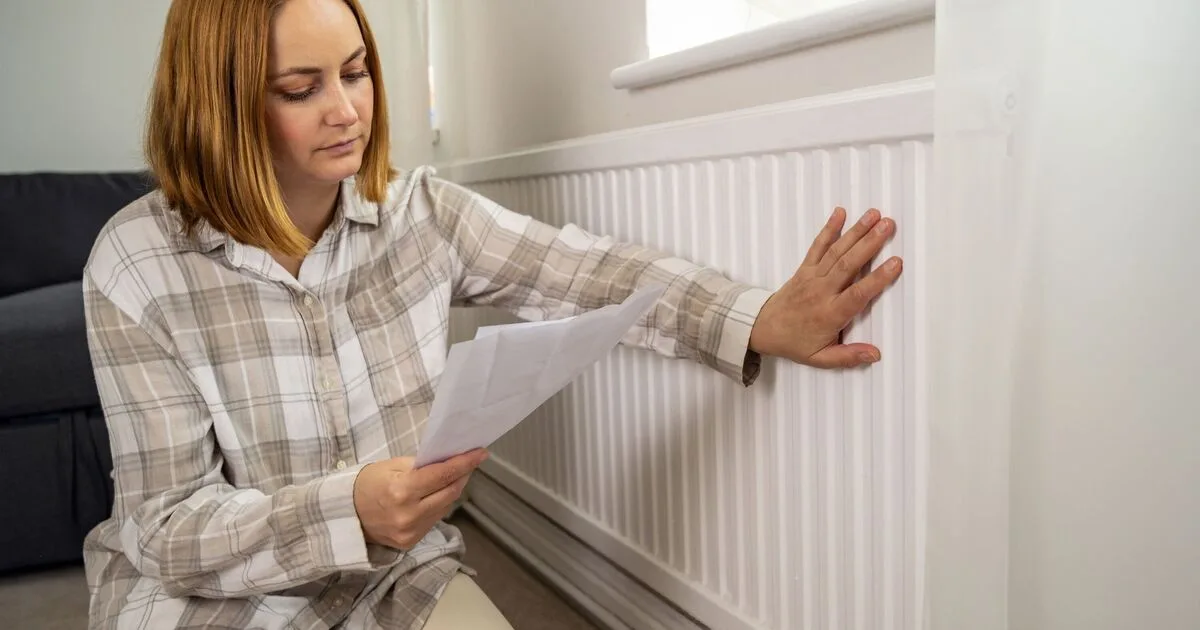
A simple furniture shuffle could help households stay warmer this winter without cranking up the heating – and it won’t cost a penny. As freezing temperatures grip Britain, experts say many homes are wasting heat and money simply by blocking radiators with sofas, beds and bookcases.
Insulation specialists are urging households to follow the so-called 30cm rule – keeping furniture at least 30 centimetres away from radiators so hot air can circulate properly around rooms. Chad Bragg, chief technical officer at insulation firm SuperFOIL, says poor furniture placement is one of the most common – and overlooked – causes of wasted heat, with reports suggesting it can lead to a 25% loss in heating efficiency.
But clearing space around radiators is just one of several low-effort steps households can take to cut winter energy waste. Bleeding radiators once a year helps release trapped air, improving efficiency. Sealing draughts around windows and doors with self-adhesive foam tape and draught excluders can also prevent cold air from entering.
Heating homes only when needed is another key way to avoid waste. Using a smart thermostat to set timers and a preferred cut-off temperature can help avoid forgetting to switch off the heating. For homes with radiators on external walls, adding radiator reflectors can redirect heat back into the room, allowing homeowners to lower the thermostat by as much as three degrees.
Finally, checking insulation for issues like cold spots or unexplained condensation is essential, as poor insulation can quietly drive up bills. Mr Bragg added: 'Addressing these issues when they crop up is essential for homeowners who want to maintain a warmer, more comfortable home while still keeping their heating bills low.'