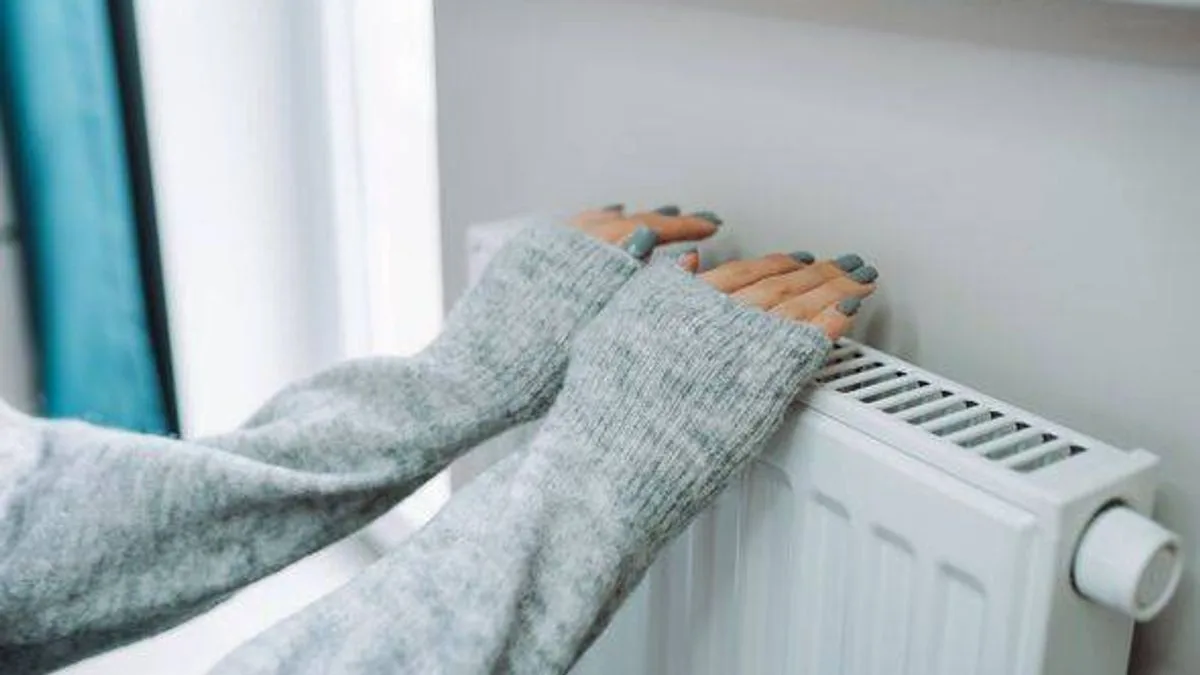
A British Gas energy expert has revealed a simple method to fix cold spots on radiators using a tool that costs just 97p. Peter Knowles, a technical repair engineer, explained that bleeding radiators can release trapped air causing cold patches, especially at the top, or gurgling noises and slow heating.
Before starting, Knowles advises turning off the heating and allowing the radiator to cool completely to avoid scalding. A radiator key, available from Screwfix for as little as 97p, is needed. You should also prepare an old towel and a container to catch any water that may escape.
Locate the small valve on the radiator and turn it anti-clockwise with the key. Knowles said: “Open it only a little until you hear a hissing sound – this is the trapped air escaping. When the hissing stops and water begins to come out, catch the water in your container. Then tighten the valve again and move on to the next radiator.” He cautioned against turning the valve too much, as it could lower boiler pressure excessively.
If problems persist, Knowles recommends contacting a Gas Safe registered engineer, as the issue may be more complex. Separately, British Gas smart energy engineer Jessica Rawstron suggested leaving the oven door open after cooking to utilise residual heat, helping warm the kitchen while eating, but advised keeping children and pets away.
These tips come as energy bills rise, with the typical direct debit household now paying around £1,758 a year under the price cap. The cap, which varies by payment method, stands at £1,711 for prepayment meters and £1,894 for those paying on receipt of bill.