Expert Strategies to Maintain Home Warmth Efficiently Amid Winter Chill
As Arctic air sweeps across the UK, plunging temperatures into single digits and dusting regions with snow, households face the dual challenge of staying warm without incurring excessive energy costs. Experts from the Energy Saving Trust and underfloor heating specialists offer actionable advice to navigate this cold snap effectively.
Optimising Heating Schedules and Temperatures
Joanna O’Loan, knowledge manager at the Energy Saving Trust, emphasises that heating need not run all day. "Use a programmer and thermostat to activate heating about 30 minutes before waking and deactivate it 30 minutes before bedtime," she advises. For those away during the day, turning off heating in empty homes is recommended, though optimal hours vary based on individual routines and home insulation.
Setting thermostats between 18°C and 21°C typically ensures comfort, O’Loan notes, with adjustments for heat pumps which perform best at steady temperatures. Crucially, she stresses that increasing thermostat settings during cold weather is unnecessary; homes will still reach desired temperatures, albeit slightly slower, without accelerating heating speed.
Sam Jump, head of business development at the Wunda Group, suggests reducing boiler temperatures slightly. "Many boilers operate at maximum settings, but lowering them can maintain comfort while cutting bills significantly," he explains, highlighting that minor adjustments often go unnoticed but yield considerable savings.
Addressing Heat Loss and Insulation
Jump points out that homes lose 10-20% of heat through windows and external doors. Installing energy-efficient glazing and high thermal performance doors offers long-term solutions, but immediate, affordable measures include keeping curtains closed, especially at night or in unused rooms. "Heavy or thermal-lined curtains are highly effective," he says, recommending them for doorways to prevent heat escape.
Overlooked areas like keyholes and letterboxes also contribute to heat loss. Jump advises using fridge magnets to block keyholes and sealing gaps with draught excluders. "Audit your home for any draughts and keep doors closed to retain warmth," he adds.
Protecting Pipes and Radiator Management
While turning off heating during absences might seem economical, O’Loan warns of frozen pipes risking costly water damage. "Use frost protection settings or set thermostats to around 13°C to prevent freezing," she advises, noting this minimal energy cost outweighs repair expenses.
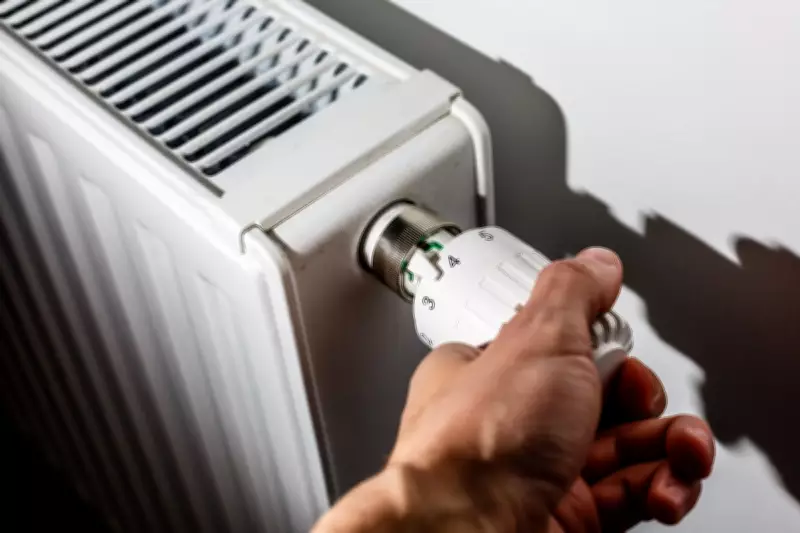
For radiator efficiency, O’Loan recommends turning them down in unused rooms without fully switching them off to reduce dampness and maintain system performance. Homes with heat pumps may benefit from keeping all radiators open for optimal efficiency.
Investing in Efficient Heating Systems
Boiler efficiency is critical, with A-rated models converting over 90% of fuel into heat, compared to older D or E-rated units that waste energy. O’Loan estimates new gas boiler installation costs around £3,700, urging collaboration with qualified installers for proper setup and flow temperature adjustments.
For eco-friendly alternatives, heat pumps can reduce emissions despite higher upfront costs of £7,000–£12,000, with available grants easing financial burdens. "They represent a sustainable shift, though initial investment is substantial," O’Loan concludes.
By implementing these expert tips—from smart thermostat use to insulation improvements—households can achieve warmth efficiently, mitigating the impact of winter weather on energy bills.