
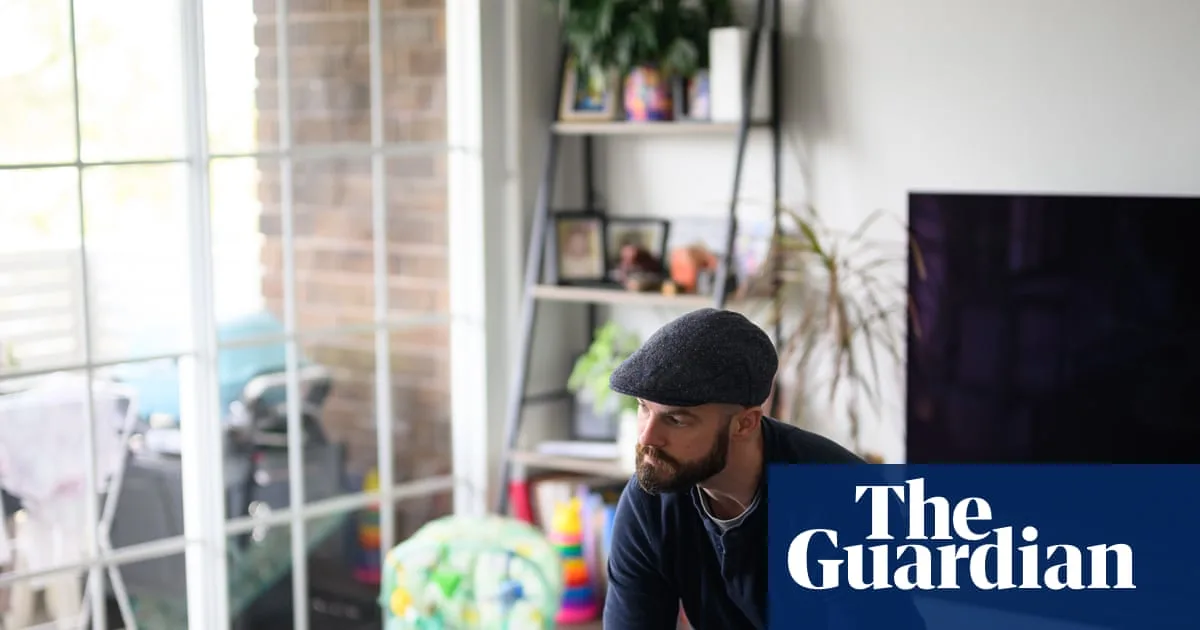
Despite having a PhD, a career in cutting-edge research, and a dual-income household, Ross Hamilton, 43, cannot afford a family home near his Sydney workplace. He and his partner, with a four-year-old daughter and a newborn son, are locked out of the market as property prices surge faster than they can save for a deposit. 'It's just capitalism gone crazy. A house is no longer a domicile. It's an investment,' Hamilton said.
Australia's property market has become so lucrative over the past quarter century, backed by favourable tax arrangements, that affordability has deteriorated faster than in almost any other comparable country. Home prices in Sydney, Brisbane, Adelaide, Perth and Darwin are at peak levels, while Melbourne and Hobart are also rising. Investors with existing equity routinely outbid first-home buyers, widening the wealth divide between generations.
The Reserve Bank held rates steady at its last meeting, but borrowing costs have been falling this year, with expectations of further cuts adding momentum to prices. Investors have increased their share of new home loans from 28% to 37% over the past five years, while owner-occupier levels have fallen, according to Australian Bureau of Statistics data. 'It becomes easier to buy your second, your third, your fourth property than it is your first one,' said Michael Fotheringham of the Australian Housing and Urban Research Institute.
Strategies like 'rent-vesting'—renting one property while buying a cheaper one elsewhere—have become normalised. The Howard-era decision to halve capital gains tax and the use of negative gearing have made dwellings even more attractive to investors. Despite some recent falls in rents in certain suburbs, the trend reflects an influx of rental properties from investors, making it harder for renters to transition to homeownership.




