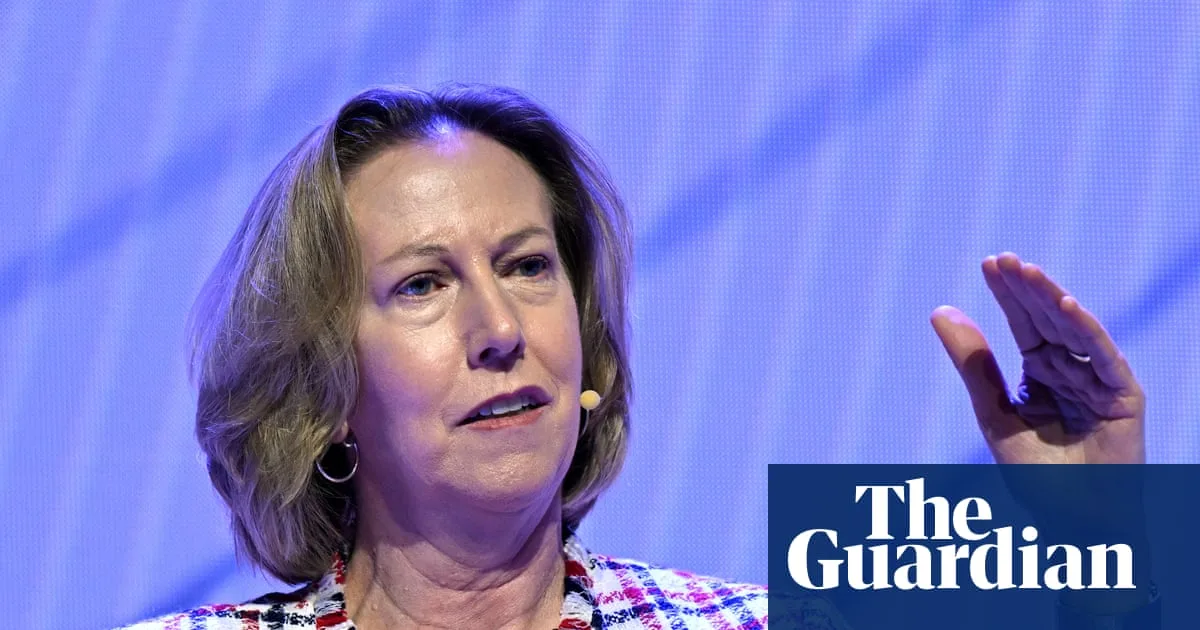
Meg O'Neill, the incoming chief executive of BP, will take home at least £11.7m this year after joining the embattled oil company from Woodside Energy. This is more than double the pay packet earned by her predecessor, Murray Auchincloss, who received £5.3m last year.
O'Neill, who will become the first woman to serve as CEO of the 117-year-old oil major, will earn a base salary of £1.6m. However, the bulk of her pay packet comes from payments to compensate for share awards she was in line to receive at her previous role. BP will pay £8.3m to cover performance share awards due to vest in 2027 and 2028, and a further £1.8m for awards due in 2029, 2030 and 2031.
O'Neill could take home even more if she receives performance-related bonuses. Without the one-off compensation, her future pay is likely to be lower. She will join BP in April as the company's first external hire to the top job, replacing Carol Howle, who served as interim CEO after Auchincloss left late last year.
As BP's third chief executive in under five years, O'Neill faces pressure from shareholders to revive the company's fortunes after its failed green agenda. BP's share price has floundered, making it a target for activist hedge fund Elliott Management and fuelling takeover rumours. The company also suspended shareholder buy-backs earlier this year after underlying earnings fell to $7.5bn in 2025, down from $9bn in 2024.
Oil companies across the industry reported weaker profits last year as global oil prices fell for a third consecutive year. The oil price has since risen to nearly $89 a barrel after Iran blocked oil and gas cargoes from transiting the Strait of Hormuz.