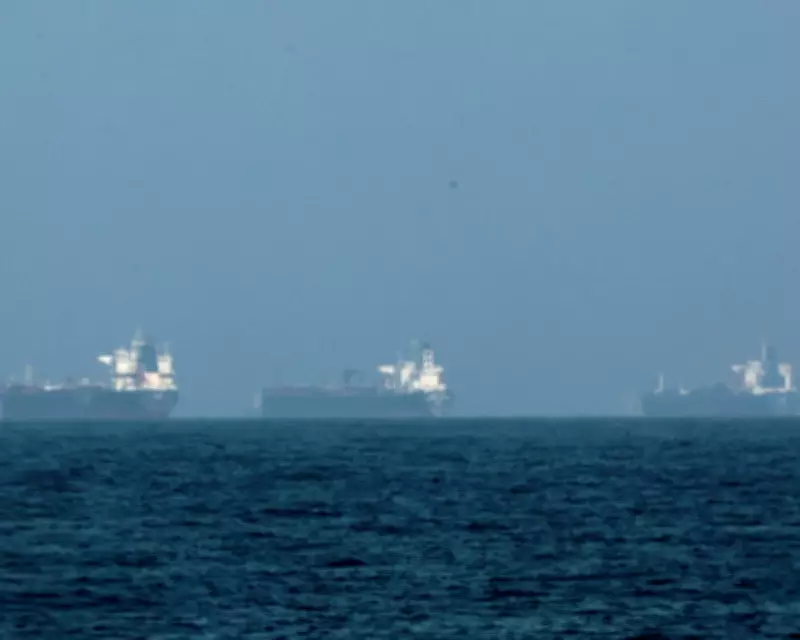
Aramco Issues Dire Warning Over Strait of Hormuz Blockade
Saudi Arabia's state-owned oil company Aramco has issued a stark warning about catastrophic consequences for global oil markets if the blockade of the Strait of Hormuz continues. The vital trade artery has been effectively closed since US strikes on Iran eleven days ago, as part of the escalating US-Israel conflict with Tehran.
The Scale of the Crisis
Amin Nasser, Aramco's chief executive, described the situation as "by far the biggest crisis the region's oil and gas industry has faced." The blockade has erased approximately 20 million barrels of oil daily from global markets, causing prices to surge to $119 per barrel this week - the highest level since Russia's invasion of Ukraine in 2022.
Typically, about 100 tankers pass through the narrow waterway daily, carrying a fifth of the world's oil and liquefied natural gas. However, this number has dwindled to single digits after Iran's Islamic Revolutionary Guard Corps threatened to "set ablaze" any vessel using the route.

Aramco's Contingency Plans
Despite the crisis, Aramco expects to maintain about 70% of its usual crude exports through alternative routes. The company plans to:
- Ramp up shipments through the east-west pipeline to the Red Sea port of Yanbu
- Reach the pipeline's full capacity of 7 million barrels daily within days
- Allocate 2 million barrels daily to Saudi refineries in the west
- Supply 5 million barrels daily to global markets through alternative routes
The company is also meeting customer demands by tapping crude held in storage outside the Gulf region, though Nasser cautioned these reserves "could not be used for an extended period of time."
Global Economic Implications
Nasser warned that prolonged disruption would lead to "drastic consequences for the global economy." The crisis has prompted emergency discussions among G7 finance ministers about releasing government-held emergency crude stocks to temper rising prices, though no agreement was reached at Monday's meeting.
Brent crude was trading at approximately $91 per barrel on Tuesday, reflecting ongoing market volatility. The situation represents the most significant threat to global energy security in recent years, with potential ripple effects across multiple economic sectors worldwide.