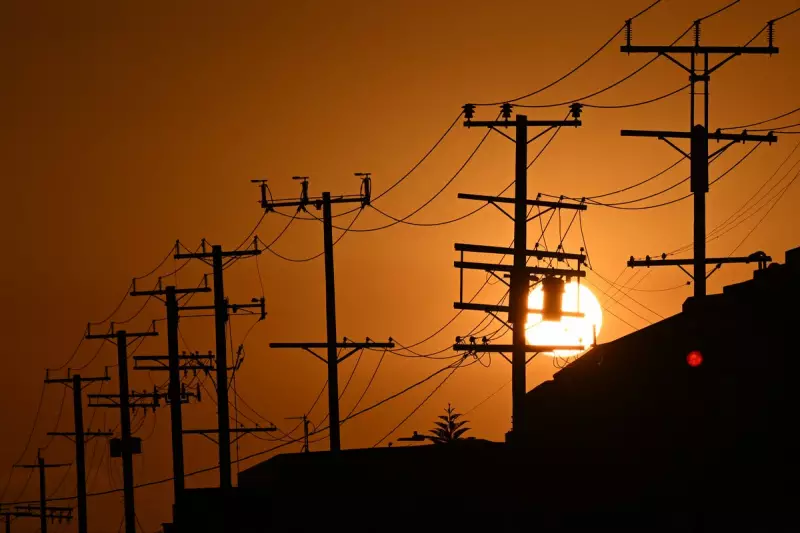
A stark new report has warned that the United States' East Coast could be forced to implement rolling blackouts in the near future, as the explosive growth of artificial intelligence data centres pushes the regional electricity grid to its absolute limit.
The Grid Under Unprecedented Strain
The threat centres on PJM Interconnection, the organisation responsible for managing the high-voltage electric grid serving a 13-state corridor. This area is home to nearly 70 million Americans, stretching from Kentucky to New Jersey. According to a report in The Wall Street Journal, PJM may have no choice but to trigger controlled power outages during periods of extreme demand, such as summer heatwaves or winter freezes.
Mark Christie, a former head of the Federal Energy Regulatory Commission, underscored the immediacy of the crisis. He stated that while he once believed the threat of blackouts was a distant concern, “Now I’m saying that the reliability risk is across the street.” The AI boom has led to a proliferation of power-hungry data centres, heavily concentrated in Northern Virginia, driving up both energy demand and consumer bills.

Soaring Demand and a Clash of Proposals
PJM's own projections are alarming, forecasting that power demand will grow by an average of 4.8 percent annually for the next decade—a pace described as unprecedented. Consulting firm ICF estimates demand in 2030 will surge 25 percent above 2023 levels, largely due to data centres.
Warning signs flashed this past summer, when heatwaves pushed PJM's grid to near-record highs. The operator responded by requesting all power plants run at full capacity and paying large industrial users to shut down. In a bid to manage future strain, PJM proposed plans that could involve slashing power to data centres during critical periods. This was met with strong opposition from tech giants like Amazon, Microsoft, and Google, who argued it unfairly targeted their operations and proposed voluntary measures instead.
Seeking Federal Intervention and a Blame Game
Joseph Bowring, head of the independent monitor Monitoring Analytics, has asked the federal government to step in. In a November complaint to the Federal Energy Regulatory Commission, he argued PJM should be barred from connecting new data centres unless it has adequate capacity, warning that otherwise, “PJM will be in the position of allocating blackouts rather than ensuring reliability.”
The crisis has been exacerbated by the closure of multiple power plants within PJM's territory due to economic and environmental pressures. A blame game has ensued between elected officials and utility executives. In 2024, Pennsylvania Governor Josh Shapiro filed a complaint seeking a cap on rate increases, while PJM's then-CEO, Manu Asthana, countered that hostile regulations were preventing new plant construction.
Public Unaware but Supportive of Action
Despite the high stakes, a December survey by Navigator found most Americans have heard little about the rapid construction of new data centres. However, there is bipartisan support for increased regulation, with 60 percent of respondents believing more should be done to curb potential negative effects. The looming threat serves as a potent reminder of the deadly consequences of grid failure, harking back to the 2021 Texas winter blackouts that resulted in over 200 deaths.