As the winter chill sets in across the UK, the efficiency of our home heating systems becomes paramount. Many households are facing the frustrating issue of radiators that fail to heat up properly, leading to cold spots and soaring energy costs.
Expert Advice for a Warmer Home
Fortunately, a leading plumbing expert has shared a trio of straightforward DIY solutions that can restore your radiators to full working order. Zhelyazko Yanchev, a plumber from Fantastic Services, insists that most radiator woes stem from simple, fixable problems. In a report for the Express on 7th January 2026, he stated there are "plenty of ways to make radiators hotter, and heat up faster, without buying a new boiler".
Yanchev emphasises the simplicity of most hot water radiator systems, noting that their issues are often equally simple to resolve. By following his three key recommendations, you can tackle common problems yourself and avoid an expensive call-out charge.

1. Clear the Space Around Your Radiators
The first and most immediate step is also the easiest and cheapest. Remove any objects placed on top of or directly in front of your radiators. Yanchev explains that radiators work on the principle of convection, where cold air is drawn in at the bottom and expelled as warm air from the top.
Any obstruction, whether it's a drying rack, furniture, or even a thick layer of dust, disrupts this vital airflow. Keeping radiators clear and clean is essential for maximum heat output. Make a habit of dusting them regularly to prevent debris from insulating the surface and reducing efficiency.
2. Bleed Trapped Air from the System
If your radiator feels cold at the top but warm at the bottom, you likely have trapped air inside. This air pocket takes up space meant for hot water, preventing the radiator from heating up fully.
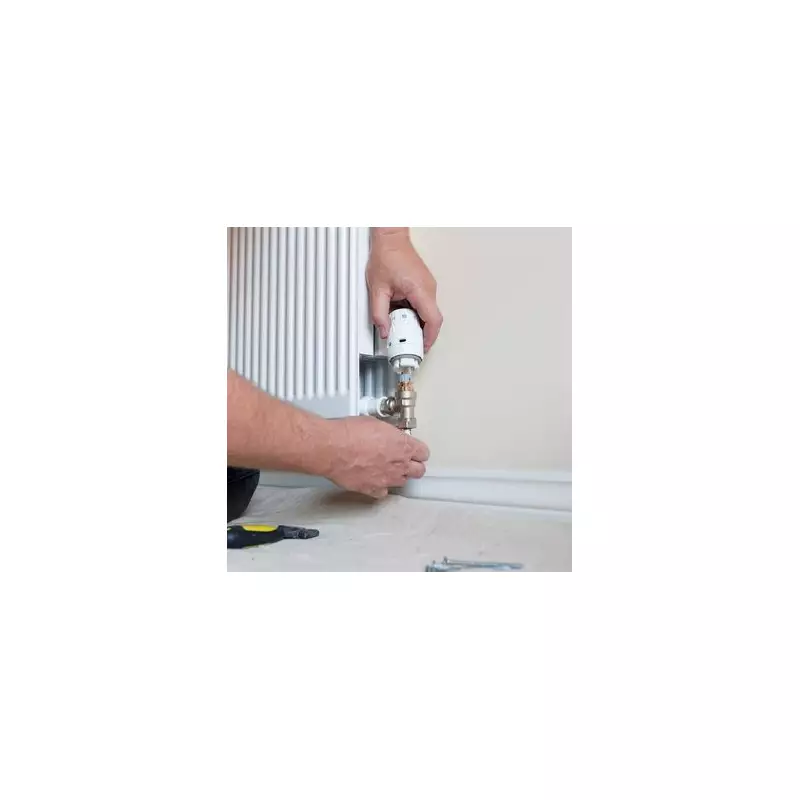
To fix this, you need to bleed the radiator. Using a radiator key or a flat-head screwdriver, turn the valve anti-clockwise with the heating system switched off. You will hear a hissing sound as the air escapes. Once a steady trickle of water starts to flow, quickly tighten the valve again. When you turn your heating back on, the previously cold section should now be warm.
3. Tackle Sludge Build-Up
A radiator that is hot at the top but cold at the bottom usually signals a different issue: an internal build-up of sludge. This sludge is a mixture of rust, limescale, and other debris that circulates through your heating system over time.
Sludge is a major cause of boiler breakdowns and can significantly age your entire heating system. Removing it from a single radiator is a more involved process. You must turn off your heating, isolate the problematic radiator, drain it, and detach it from the wall. Take it outside and flush it with a hose until the water runs clear.
Yanchev advises that if multiple radiators show signs of sludge, it is best to seek professional assistance for a full system power flush.
Take Control of Your Heating Costs
By following these three practical steps—clearing space, bleeding radiators, and addressing sludge—you can significantly improve your home's heating performance. This not only ensures a warmer living environment during the coldest months but also helps your boiler run more efficiently, potentially lowering your energy consumption and bills. Taking a proactive, DIY approach to radiator maintenance is a smart and cost-effective strategy for every UK household this winter.