As the winter chill sets in across the UK, many households are firing up their central heating, only to be met with lukewarm or inefficient radiators. Calling out a professional can be costly, but a leading plumber has shared three straightforward DIY steps that can significantly improve your radiator's performance without adding to your energy bills.
Expert Advice for Efficient Home Heating
Zhelyazko Yanchev, a plumber from Fantastic Services, insists that most radiator problems have simple solutions. "Hot water radiator systems are very simple and the problems are likely as simple, too," he explained in a recent report. He emphasised there are "plenty of ways to make radiators hotter, and heat up faster, without buying a new boiler and using expensive or specialist tools."
Step One: Maximise Airflow Around Your Radiator
The first and quickest tip is to ensure nothing is blocking your radiator's heat output. Yanchev describes this as the "fastest and cheapest" method. Radiators work by convection, drawing in cold air at the bottom and releasing warm air from the top.

Any items placed on top, in front, or directly underneath the unit will disrupt this crucial airflow. This includes everything from drying clothes to furniture and curtains. Furthermore, a build-up of dust inside the fins can act as an insulator. Regularly cleaning your radiators is a simple yet effective way to maintain their efficiency.
Step Two: Bleed Trapped Air from the System
If your radiator feels cold at the top but warm at the bottom, the culprit is likely trapped air. This air pocket takes up space meant for hot water, preventing the radiator from heating fully.
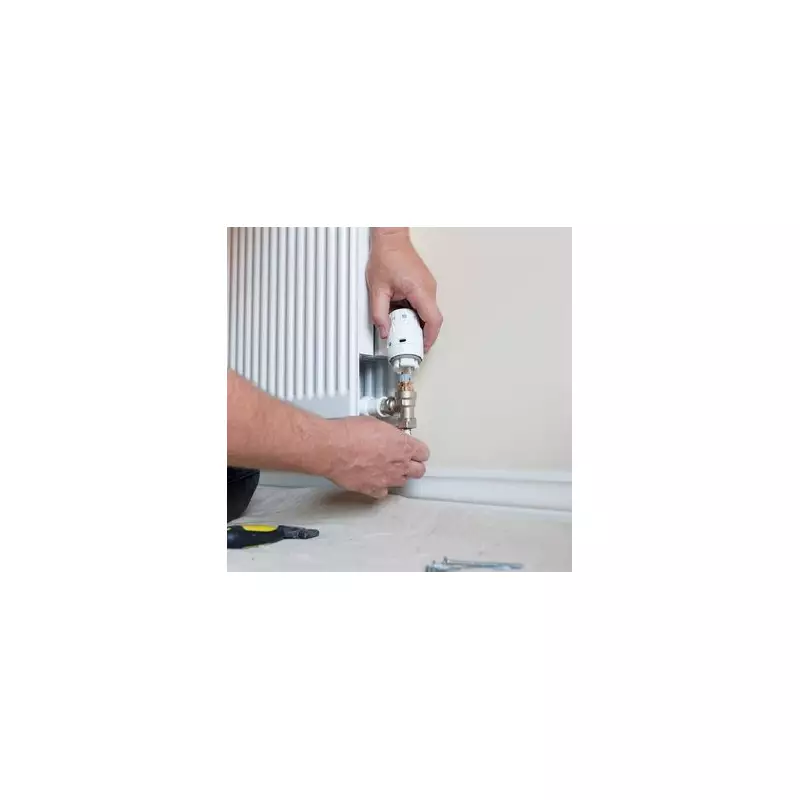
To fix this, you need to bleed the radiator. Using a radiator key or a flat-head screwdriver, turn the bleed valve anti-clockwise (with the heating switched off) until you hear a hissing sound. This is the trapped air escaping. Once a steady trickle of water appears, quickly tighten the valve again. When you turn your heating back on, the entire radiator should heat evenly.
Step Three: Tackle Sludge Build-Up
A radiator that's hot at the top but cold at the bottom indicates a different issue: sludge accumulation. This sludge is a mix of rust, limescale, and debris that circulates through your heating system over time, settling at the bottom of radiators and reducing performance. It is a common cause of boiler breakdowns and can prematurely age your entire system.
Removing sludge from a single radiator is a more involved process. It requires isolating and draining the radiator, detaching it, and flushing it through with clean water outdoors until the water runs clear. Yanchev advises seeking professional help if multiple radiators in your home show signs of sludge, as this may indicate a system-wide issue requiring a power flush.
By following these three expert steps—clearing space, bleeding air, and addressing sludge—you can ensure your radiators work at their peak this winter, keeping you warmer for less.