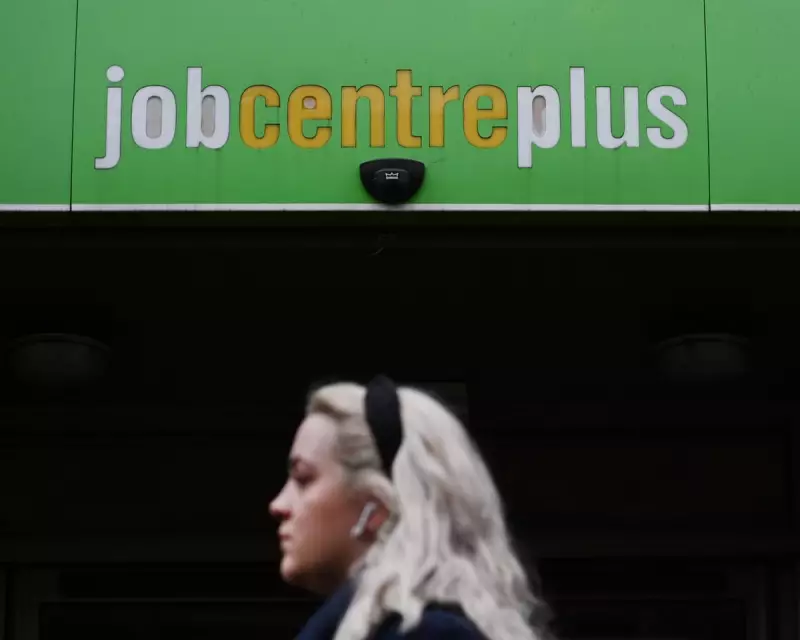
The UK's jobs market is showing clear signs of a significant slowdown, with official figures revealing a sharp rise in unemployment, particularly among young people. Data from the Office for National Statistics (ONS) for the three months to October shows the unemployment rate climbing to a four-year high of 5.1%, an increase of 0.8 percentage points compared to the same period last year.
Young Workers Bear the Brunt of Downturn
The most striking figure from the latest labour market data is the plight of 18- to 24-year-olds. The number of young people out of work reached 546,000 in October, marking the highest level since 2015 and representing a quarterly increase of 85,000. This pattern echoes previous economic crises, where younger workers have been disproportionately affected.
Nye Cominetti, principal economist at the Resolution Foundation thinktank, highlighted the severity of the situation. "Young people again find themselves at the heart of this downturn, just as they were in the wake of the financial crisis and Covid," he said. "Policymakers and employers need to redouble efforts to support them."

Employment Rate Falls as Labour's Target Recedes
The broader picture is also concerning for the government. The overall employment rate – the proportion of the working-age population in a job – fell to 74.9% in the three months to October, a drop of 0.3 percentage points. This moves the Labour government further away from its stated long-term ambition of achieving an 80% employment rate.
Unlike the post-pandemic period, this shift is not being driven by a rise in economic inactivity, which has actually decreased to 21%. Instead, the focus has shifted squarely to the relentless uptick in unemployment. Real-time data from HMRC's payroll system paints an even starker picture, showing the annual growth rate of payrolled jobs turned negative in March 2025 and has continued to decline since.
Policy Dilemmas and Economic Consequences
The deteriorating jobs market presents immediate challenges for Chancellor Rachel Reeves and the Bank of England. While softening wage growth – with regular pay growth slowing to 4.6% – may ease inflationary pressures and support a potential interest rate cut, the human cost of rising joblessness is becoming a primary political headache.
Upcoming policy decisions, including another significant rise in the minimum wage in April and Labour's plan to equalise pay rates for younger workers, are now under intense scrutiny. Some economists question whether these measures are appropriate in the current weakening economic climate.
The extended and chaotic speculation ahead of the late November budget is also unlikely to have helped business confidence or hiring intentions. As 2026 approaches, the accelerating downturn in the labour market is poised to replace inflation as one of the most pressing issues facing UK ministers.