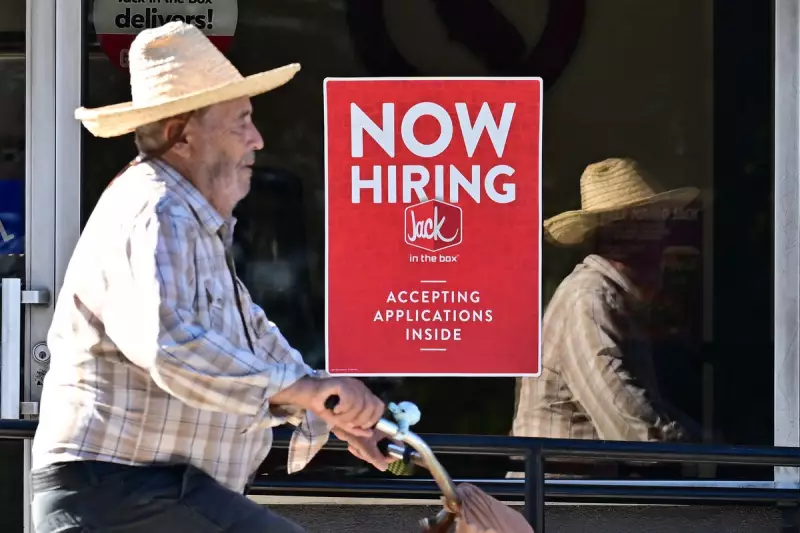
The latest snapshot of the American labour market paints a concerning picture, with the unemployment rate climbing to its highest level in four years. Data released for November shows the jobless rate rose to 4.6%, a figure not seen since 2021, capping off a period of significant volatility and uncertainty.
A Delayed and Mixed Picture for the US Economy
The job reports covering October and November were published later than scheduled, a direct consequence of a 43-day federal government shutdown. This delay complicated the Federal Reserve's ongoing deliberations regarding interest rate policy. The figures themselves were decidedly mixed. The economy added a modest 64,000 jobs in November, but this followed a substantial loss of 105,000 positions in October.
October's severe downturn was largely driven by a sharp reduction in federal employment. A staggering 162,000 federal employees were cut from payrolls, with many reported to have resigned under pressure from sweeping cutbacks initiated by the Trump administration.

Key Factors Stifling Hiring Momentum
Analysts point to a confluence of factors that have clearly dampened hiring momentum across the United States. Persistent uncertainty surrounding Trump's proposed tariffs, coupled with prevailing high interest rates, has made businesses cautious. Furthermore, the accelerating adoption of artificial intelligence is leading many companies to retain existing staff while hesitating to create new roles, opting for automation instead.
The softness in the labour market is further reflected in wage growth. Workers' average hourly earnings saw only a meagre 0.1% increase from October. Year-on-year, pay was up 3.5%, which represents the lowest annual growth rate recorded since May 2021.
Political Repercussions and Economic Outlook
The bleak data has sparked political controversy. The Trump administration's economic director was forced to defend the firing of a top government statistician in the wake of the disappointing jobs report. This move has raised questions about political influence over independent economic data.
The overarching narrative from these delayed reports is one of a cooling US jobs market, hampered by political instability, technological disruption, and policy uncertainty. The combination of federal layoffs, stalled hiring, and slowing wage growth suggests significant headwinds for American workers as the economy navigates a complex and challenging period.