OBR Downgrades UK Economic Outlook as Unemployment Set to Worsen
The UK's official economic forecaster has delivered a sobering assessment of the nation's financial prospects, predicting a significant rise in unemployment alongside slower-than-expected growth. According to the Office for Budget Responsibility, the unemployment rate is projected to climb to approximately 5.3% in 2026, marking a substantial deterioration from previous estimates.
Revised Growth Forecasts and Labour Market Pressures
In a comprehensive update to its economic projections, the OBR has substantially revised its growth expectations for the coming years. UK gross domestic product is now forecast to expand by just 1.1% in 2026, representing a notable downgrade from the 1.4% growth predicted in November. This adjustment reflects multiple concerning factors including a growth slowdown in late 2025, loosening labour market conditions, and subdued data from recent business surveys.
The unemployment forecast presents particularly troubling news for workers across the country. The OBR now anticipates the jobless rate will peak at about 5.33% in 2026, significantly higher than the 4.9% previously projected. This deterioration reflects what the watchdog describes as "subdued hiring demand" from employers, suggesting businesses are becoming more cautious about expanding their workforce amid economic uncertainty.

Chancellor's Response and Future Projections
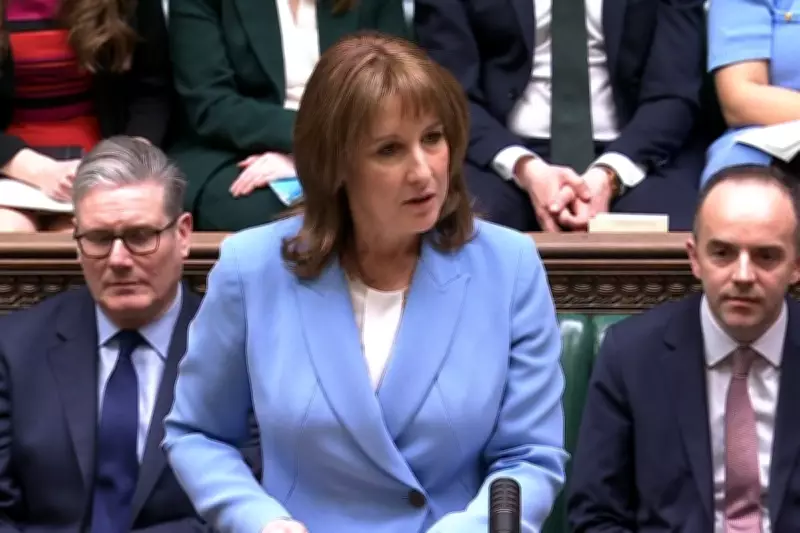
Chancellor Rachel Reeves addressed Parliament regarding these revised forecasts, acknowledging the challenging economic landscape while expressing confidence in her government's approach. "I have the right economic plan for the UK," she asserted during her spring statement presentation. Ms Reeves noted that while unemployment is "set to peak later this year," she expects it to gradually reduce in subsequent years as economic conditions improve.
The latest data from the Office for National Statistics provides context for these projections, showing unemployment had already risen to a five-year high of 5.2% in the three months to December 2025. Looking beyond 2026, the OBR forecasts unemployment will decline to 4.9% in 2027 and further to 4.4% in 2028, though these figures remain higher than previous estimates of 4.6% and 4.3% respectively.
Mixed Economic Indicators and Inflation Outlook
While the growth forecast for 2026 has been downgraded, the OBR has actually improved its projections for subsequent years. The economy is now expected to expand by 1.6% in both 2027 and 2028, representing an upward revision from earlier predictions. This suggests the current slowdown may be temporary rather than indicative of a prolonged economic stagnation.
On the inflation front, the OBR has trimmed its forecast for 2026 to 2.3%, down from the 2.5% predicted previously. Experts attribute this lower-than-expected rate to "greater slack in the economy" combined with falling food and energy prices. The watchdog indicates inflation will likely drop to the Bank of England's 2% target later this year, potentially falling below that threshold by April according to some Bank projections.
Geopolitical Uncertainties and Fiscal Implications
These economic forecasts come with significant caveats, particularly regarding recent instability in the Middle East. The OBR acknowledges that rising gas and oil prices driven by regional conflicts could substantially alter the inflation outlook, potentially undermining the projected decline toward the 2% target. Economist Elliott Jordan-Doak of Pantheon Macroeconomics noted that "chunks of the fiscal forecasts now look dated because of the rapid escalation of events in the Middle East."
Despite these uncertainties, the revised projections contain some positive fiscal news for the government. The OBR has reduced borrowing projections for each year until 2031, while reduced borrowing costs linked to easing government bond yields have expanded the government's fiscal headroom to £23.6 billion, up from £21.7 billion in November's budget.

Expert Analysis and Market Reactions
Economic experts have offered mixed reactions to the spring statement and accompanying forecasts. Peter Arnold, EY UK chief economist, highlighted that "the underlying improvement in the UK's fiscal position was supported by higher actual and expected tax receipts, driven in large part by a stronger equity market performance since November." However, he cautioned that this stock market performance might prove unsustainable if Middle East conflicts persist and global equity volatility continues.
Jordan-Doak characterized the Chancellor's statement as delivering the "well-flagged 'boring budget' that we and the market were expecting," suggesting few major surprises in the economic announcements. The overall picture emerging from these revised forecasts suggests a challenging period ahead for the UK economy, with particular pressure on employment prospects, but with potential for recovery in subsequent years if current headwinds subside.