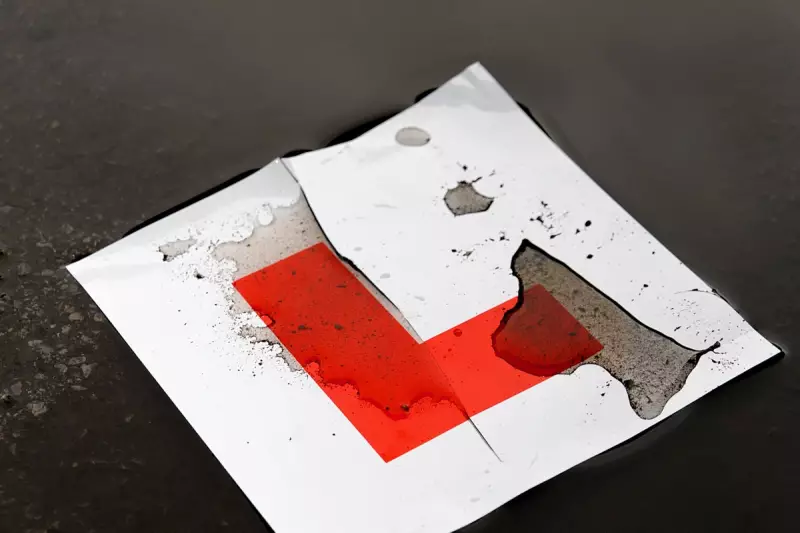
Attempts to cheat on driving tests across Britain have skyrocketed by a staggering 47 per cent in just one year, according to alarming new figures that have ignited serious concerns over road safety. Data released by the Driver and Vehicle Standards Agency (DVSA) reveals a sharp and worrying rise in fraudulent activities among learner drivers.
Sharp Increase in Recorded Cheating Incidents
The investigation, based on Freedom of Information requests handled by the Press Association, shows that 2,844 cases of driving test cheating were recorded in the year to September 2025. This marks a significant jump from 1,940 incidents during the previous 12-month period and a substantial increase from the 1,274 cases noted back in 2018/19.
Motoring research charity the RAC Foundation has issued a stark warning, stating that driving test cheats are "putting other road users at risk." The DVSA has attributed this dramatic rise to a combination of more widespread cheating and improved detection methods by the agency.

Technology-Assisted Fraud Dominates Cheating Methods
Technology played a major role in the surge of cheating incidents during the 2024/25 period. The use of earpieces connected to concealed mobile phones via Bluetooth to cheat during theory tests constituted the largest proportion of cases, with 1,113 recorded instances.
Other prevalent methods included impersonation, where individuals attempted to take theory or practical tests while pretending to be the registered candidate. These incidents were recorded in 1,084 and 647 cases respectively, highlighting a multifaceted problem that spans both theoretical and practical assessments.
Backlog and Waiting Times Amid Cheating Surge
The rise in cheating attempts comes against a backdrop of substantial backlogs for practical driving tests across the country. In September, learner drivers faced an average waiting time of 22 weeks for a test slot, a sharp increase from the approximately five weeks recorded in February 2020, before the coronavirus pandemic led to widespread testing suspensions.
However, the DVSA has stated that it has no evidence directly linking the increase in cheating to these extended waiting times. Despite the correlation, the agency maintains that the two issues are separate, though pressure to pass may be a contributing factor.
Enhanced Detection Measures and Prosecutions
To combat the growing problem, the DVSA has implemented rigorous measures to uncover cheats. Learners arriving at test centres are required to show their faces to verify they match their photographic ID. For theory tests, candidates may be asked to roll up their sleeves, show their pockets are empty, and undergo pat-downs with handheld metal detectors.
The agency also utilises intelligence to identify vehicles and individuals involved in previous cheating attempts. In 2024/25, 96 people were prosecuted for attempting to cheat driving tests or impersonate candidates, with prosecution cases often encompassing multiple incidents.
Marian Kitson, DVSA’s director of enforcement services, emphasised the agency's commitment: "It is essential that all drivers demonstrate they have the right skills, knowledge and attitude to drive safely. Our counter-fraud team carries out robust investigations into suspected fraud, working with the police to bring fraudsters to justice and keep Britain’s roads safe."
Severe Penalties for Cheating Offences
Those caught cheating face severe consequences, including potential prison sentences, driving bans, unpaid work orders, and court costs. Recent cases illustrate the seriousness with which the courts treat these offences.

- Qounain Khan, 23, of Birmingham, received an eight-month prison sentence in June 2025 after pleading guilty to impersonating learners at theory test centres 12 times. The court heard impersonators could be paid up to £2,000 for passing a test.
- Sorina-Ana Turcitu, 42, of north London, admitted attempting to take a practical driving test on behalf of someone else and was sentenced to 12 weeks’ imprisonment, suspended for 18 months, in September 2025.
- Ali Rasul, 22, of Exeter, was handed a two-year prison sentence in November 2025 after being caught repeatedly trying to cheat the theory test over eight months using hidden earpieces or an impersonator.
Industry Reactions and Calls for Vigilance
Steve Gooding, director of the RAC Foundation, commented: "The longer people have to wait to get a test slot, the greater the pressure to pass, but that’s no excuse for cheating. Those looking to make money through impersonation and deception are putting other road users at risk. This data demonstrates the need for DVSA to be vigilant in spotting the cheats and for the penalties to be severe."
Emma Bush, managing director of the AA Driving School, described the increase in cheat attempts as "staggering." She added: "It is even more worrying that while the numbers of those caught have risen a concerning amount, it is likely some people will have cheated successfully and be on our roads."
Historical Data on Driving Test Cheating Incidents
Here are the number of recorded incidents of driving test cheating in the 12 months to the end of September each year since 2019:
- 2024/25: 2,844
- 2023/24: 1,940
- 2022/23: 2,344
- 2021/22: 1,960
- 2020/21: 820
- 2019/20: 876
- 2018/19: 1,274
The data underscores a volatile trend, with a notable peak in 2024/25, reinforcing the urgency for continued enforcement and public awareness to safeguard road safety standards across the United Kingdom.