Russia's War-Driven Labour Crisis Spurs Major Shift to Indian Workforce
Russia is confronting an immediate and severe shortage of at least 2.3 million workers, a crisis significantly intensified by the ongoing strain of its military conflict in Ukraine. With traditional sources of foreign labour from Central Asia proving increasingly inadequate, Moscow has initiated a substantial pivot towards recruiting workers from India to fill the burgeoning void in its labour market.
Dramatic Surge in Indian Work Permits
The scale of this strategic shift is starkly evident in official immigration statistics. In 2021, the year preceding Russia's full-scale military intervention in Ukraine, authorities granted approximately 5,000 work permits to Indian nationals. However, last year witnessed a remarkable escalation, with almost 72,000 permits issued to Indian workers. This figure represents nearly one-third of Russia's total annual quota for migrant workers entering on visas.
"Currently, expatriate employees from India are the most popular," stated Alexei Filipenkov, director of a company specialising in bringing Indian workers to Russia. He attributed this trend to a decline in workers from visa-free ex-Soviet Central Asian nations, despite them still constituting the majority of the approximately 2.3 million legal foreign workers who do not require visas.

Economic and Geopolitical Drivers
Several interconnected factors are driving this labour migration realignment. A significantly weaker Russian rouble, the implementation of more stringent migration laws, and a rise in anti-immigrant rhetoric from Russian politicians have collectively discouraged Central Asian workers. This environment has prompted Moscow to aggressively increase visa quotas for workers from alternative regions, with India emerging as the primary focus.
The selection of India as a source for both skilled and unskilled labour is underpinned by robust defence and economic ties between Moscow and New Delhi. A pivotal development occurred in December, when President Vladimir Putin and Indian Prime Minister Narendra Modi signed a bilateral agreement designed to streamline and facilitate the process for Indians seeking employment in Russia.
Denis Manturov, Russia's First Deputy Prime Minister, emphasised the scale of the need at the time, stating that Russia could accept an "unlimited number" of Indian workers. He detailed specific sectoral demands, citing requirements for at least 800,000 people in manufacturing and an additional 1.5 million in the service and construction industries.
On the Ground: Indian Workers in Russian Industry
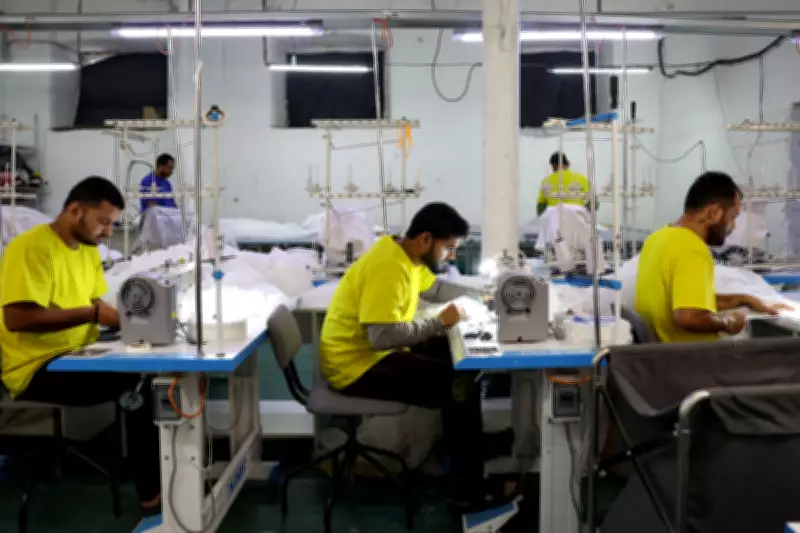
The practical impact of this policy is visible across Russian businesses. Brera Intex, a textiles company based in Moscow, has hired around ten workers from South Asia, including Indians, for manufacturing curtains and bed linen. Company owner Olga Lugovskaya reported that, despite initial inexperience, the workers demonstrated rapid learning and high motivation.
"Some of the guys who came in didn’t even know how to switch on a sewing machine," Lugovskaya noted. "(But) after two or three months, you could already trust them to sew a proper finished item."
One such worker, 23-year-old Gaurav, expressed satisfaction with his new circumstances after three months in Russia. "I was told to come (over) to this side, that the work and money are good," he said, adding, "Russian life is very good." He maintains daily contact with his family in India via phone.
Beyond manufacturing, the agricultural sector is also tapping into this labour pool. The Sergiyevsky farm, located outside Moscow, employs Indian workers to process and pack vegetables, offering an average monthly salary of about 50,000 roubles (approximately $660). Farm management indicated that local Russian workers are unwilling to accept work at this wage level.
Sahil, a 23-year-old worker from India's Punjab region employed at the farm for a year, highlighted the economic incentive: "In India there is little money, but here there is a lot of money. The work is here."

Potential Challenges and Future Outlook
This burgeoning economic relationship does not exist in a vacuum. India has been a significant purchaser of discounted Russian oil, which Moscow has struggled to sell elsewhere due to extensive Western sanctions. However, recent U.S. pressure on India to curtail these oil purchases—linked by former President Donald Trump to a newly announced U.S.-India trade deal—introduces a potential complication that could influence Moscow's enthusiasm for Indian labour in the future.
For the present moment, it remains uncertain how New Delhi will adjust its energy procurement strategy. Russian officials have sought to downplay any suggestion of diplomatic tensions, maintaining a focus on the immediate economic imperative of addressing the critical labour shortfall. The sustained influx of Indian workers represents a direct and pragmatic response to a national crisis worsened by war, reshaping Russia's labour landscape and international economic partnerships.