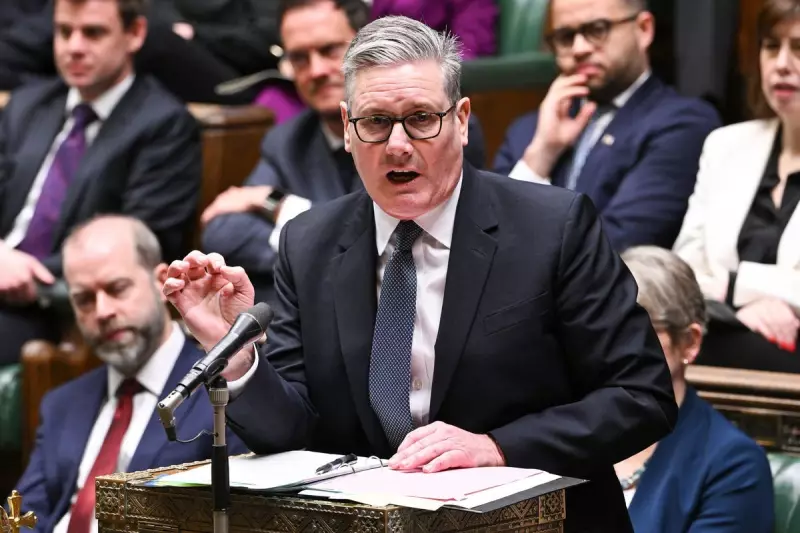
Prime Minister Keir Starmer has championed sweeping changes to parental leave, declaring they will restore "dignity back at the heart of work." The reforms, a cornerstone of Labour's workers' rights agenda, are set to be formally presented to Parliament on Monday, 12 January 2026.
Core Reforms and Extended Support
The legislation introduces unpaid parental leave from an employee's very first day in a new job. According to the Government, this pivotal change will provide an additional 1.5 million parents with greater flexibility to share childcare duties.
In a separate but equally significant move, new laws coming into force from April will enhance paternity leave rights for bereaved partners. This means fathers and partners who suffer the loss of their partner before their child's first birthday will now be eligible for up to 52 weeks of leave.

The Department for Business and Trade (DBT) estimates that approximately 390,000 individuals are currently out of the workforce due to caring responsibilities, including parenting, but wish to be employed.
A Modern Deal for Workers
In a statement, Sir Keir Starmer framed the changes as essential support for working families. "We're delivering a modern deal for workers," he said. "Stronger sick pay, parental leave from day one, and protections that put dignity back at the heart of work."
Business Secretary Peter Kyle echoed this sentiment, stating, "No one should have to worry about whether they can take time off when their baby arrives, or lose pay simply because they've fallen ill."
The broader Employment Rights Act, which received Royal Assent in December 2025, also enshrines several other key protections:
- Day-one rights to statutory sick pay.
- A ban on exploitative zero-hour contracts.
- New, strengthened protections for new mothers and pregnant women.
Notably, the Government adjusted its original plan to secure the bill's passage, replacing a day-one right against unfair dismissal with a right that will apply after six months of service.
Reaction and Political Divide
The Trades Union Congress (TUC) welcomed the act. General Secretary Paul Nowak said it would "deliver vital common-sense reforms" and bring Britain in line with worker protections in other nations, helping to build "higher living standards and secure incomes."
However, the Conservative opposition launched a fierce critique. Andrew Griffith MP, the Shadow Business and Trade Secretary, condemned the legislation as a 330-page "Unemployment Bill" that "piles on red tape."
"It takes Britain back to the 1970s and risks dragging thousands of small businesses into costly employment tribunals," Griffith argued. "This will destroy jobs, not protect them."
The reforms mark a significant shift in UK employment law, aiming to balance family support with economic growth, amidst a clear political divide on the best path forward.