New data has revealed a significant shift in the UK's working patterns, with office workers increasingly favouring flexible workspaces near major transport links over traditional city-centre commutes.
Surge in Demand for Convenient Workspaces
According to figures released by the International Workplace Group (IWG), one of the world's largest providers of flexible office space, visits to its transport-linked locations soared by an average of 33% in 2025 compared to the previous year. The data, gathered from wifi log-ins across IWG's UK sites, underscores a lasting move towards hybrid work models.
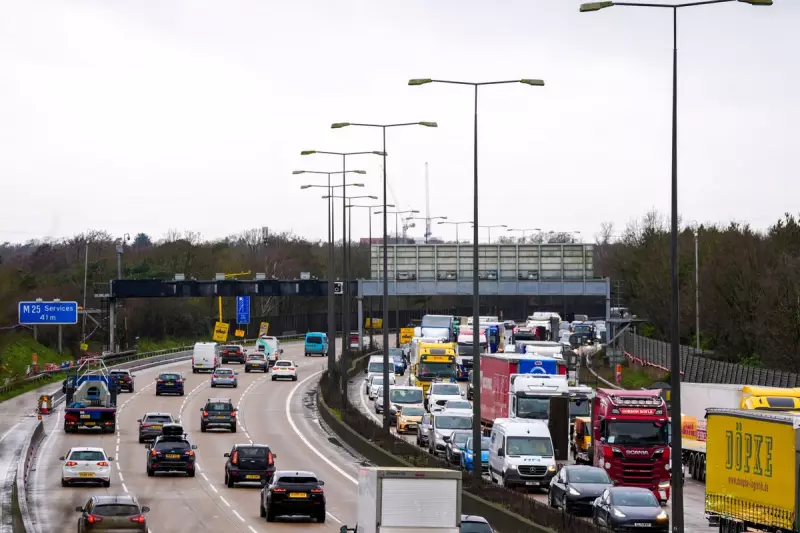
The trend was particularly pronounced along the nation's busiest motorway corridors. The most dramatic growth was recorded in Brentwood, Essex, near the M25, where year-on-year visits skyrocketed by 50%. Significant increases were also seen in Hatfield, Hertfordshire (37%), and along the M3 corridor in Frimley (35%) and Fleet (30%).

Rail and Airport Links See Major Footfall
The shift is not confined to road networks. IWG's research highlighted a remarkable 139% surge in footfall at its location near London Blackfriars station. Furthermore, flexible offices close to major train stations in cities like Leeds, Birmingham, Edinburgh, and Liverpool experienced growth of up to 47%.
In Berkshire, areas including Reading and Slough—key locations for professionals travelling to Heathrow Airport and a major hub for tech and services firms—saw visits rise by approximately 30%. This points to workers using these spaces for meetings or opting for a part-time commute into larger urban centres.
A "Fundamental Shift in the Geography of Work"
Mark Dixon, founder and chief executive of IWG, which operates brands like Regus and Spaces across 120 countries, commented on the findings. He stated that companies are permanently embracing more flexible arrangements, empowering staff to work from locations that suit their lifestyles while boosting productivity.
"Hybrid working has fundamentally changed how people think about where work gets done," Dixon said. "Increasingly, professionals are choosing locations that fit around their journeys and lifestyles – whether that’s near a motorway, train station, airport or flexible workspace closer to home – allowing them to stay productive wherever they are and while on the move."
The data, published on Monday 5 January 2026, confirms that the pandemic-era adoption of flexible work has evolved into a permanent, structural change. The demand for workspace is now decentralising, moving away from crowded city cores towards more accessible local and suburban hubs connected to the UK's transport infrastructure.