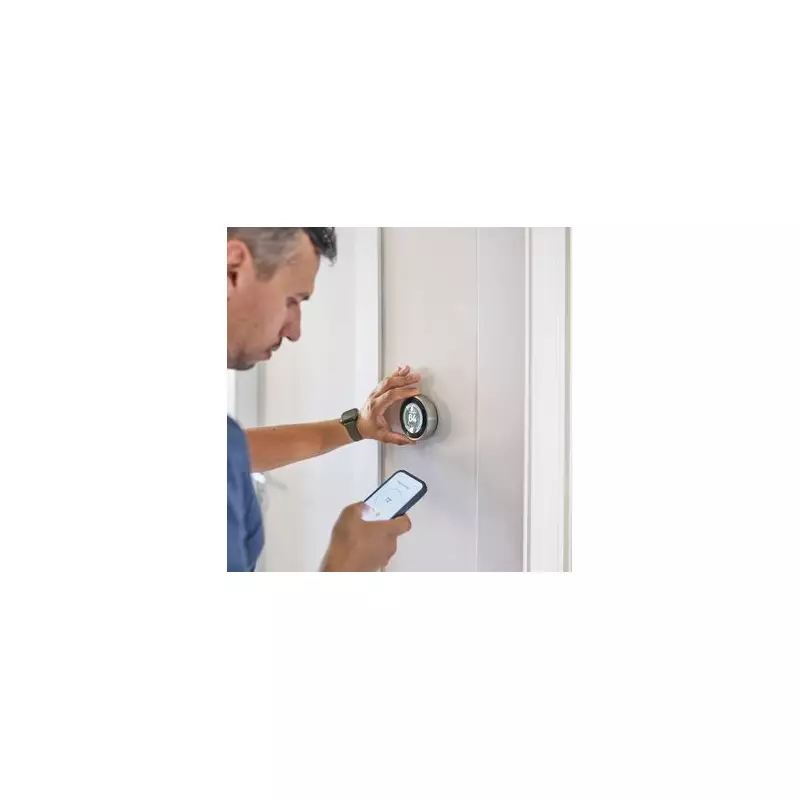
As winter tightens its grip, homeowners are being urged to take immediate action to protect their properties from the costly and disruptive damage caused by frozen and burst pipes. Plumbing experts have issued clear guidance, including a crucial 'ideal' thermostat setting, to help households avoid a cold-weather catastrophe.
The Crucial Temperature Setting to Remember
While it may be tempting to crank up the heating on bitterly cold days, David Doran, a plumbing expert at Blackstone Plumbing and Heating Ltd, advises a more measured approach. He recommends maintaining an ideal temperature between 18 and 20°C to keep your home and its plumbing system safe.
Setting your thermostat to a minimum of 18°C ensures pipes stay warm enough to prevent freezing. For times when you are asleep or the property is unoccupied, such as during a winter holiday, experts suggest reducing the temperature to around 15 to 17°C (59 to 63°F). This balances energy saving with the need to stop the interior temperature from plummeting to dangerous levels.

Many modern central heating systems also include a 'frost protection' mode, designed to maintain a temperature just above freezing while using minimal energy, which is a valuable feature during cold snaps.
Essential Preventative Measures You Can Take
Beyond thermostat management, several proactive steps can significantly reduce risk. A primary recommendation is to insulate all exposed or vulnerable pipes, particularly those in unheated areas like lofts, roof spaces, and outdoors. Angela Kerr, director at the HomeOwners Alliance, suggests using "UL-listed heat tape or foam rubber insulation" for this purpose.
Insulating material, or lagging, should be at least 5mm thick to provide adequate protection. While DIY kits are available, those unsure of the process should consider hiring a professional plumber for safe and effective installation.
Furthermore, annual boiler servicing is critical. A regular service checks for leaks and blockages, ensures safe operation to prevent hazards like carbon monoxide poisoning, and can improve efficiency, potentially saving on energy bills. David Doran stresses that many warranties and insurance policies also require this annual check.
What to Do in an Emergency
Experts at Yell warn that attempting to thaw frozen pipes yourself can often lead to bursts, making it safer to seek professional help. However, every household member should know how to act swiftly if a pipe does burst.
The most important step is to locate and know how to operate your stopcock—the main shut-off valve for your water supply. "If cold weather causes a burst pipe, you need to know how to turn off your water supply quickly," explains Angela Kerr. "It's usually found under the kitchen sink, but it could also be in a bathroom, hallway, or cellar."
In an emergency, turning this valve clockwise will stop the flow of water and limit damage. Acting fast and then contacting a round-the-clock emergency plumber is the advised course of action to mitigate what can otherwise become a devastating and expensive situation.