Cuba's 'Polycrisis': Exodus of 1 in 4 Cubans in Four Years Threatens Regime
Cuba's population crisis: 25% leave in four years

Cuba is grappling with a profound national emergency, a so-called 'polycrisis' of intertwined economic, demographic, and political failures that is driving its citizens to leave in unprecedented numbers. Independent studies suggest the island's population has plummeted by an estimated 25% in just four years, a decline among the fastest ever recorded globally.

A Nation in Demographic Freefall

Research by demographers indicates Cuba's population is now likely below 8 million, a stark contrast to the government's 2015 projection of 11.3 million for 2024. Between 2022 and 2023 alone, the population fell by 18% due to migration. The country has also recorded more deaths than births for five consecutive years, with fertility rates below replacement level since 1978. Today, one in four Cubans is over 60, straining social services and dimming economic prospects.

The exodus is primarily fuelled by young people. Most emigrants are aged 15 to 59, with 57% being women and 77% of reproductive age. They finance their journeys through personal savings and family networks, navigating complex routes across Latin America, Europe, Africa, and Asia. For young Cubans, leaving has become an "almost universal aspiration," driven by a daily struggle for basic goods, unviable state wages, and failing infrastructure.

Economic Collapse and the Weight of Sanctions

The economy lies at the heart of the crisis. Cuba is enduring its gravest economic period since the 1959 revolution, worse than the post-Soviet "Special Period" of the 1990s. Official figures show GDP plunged 10.9% in 2020, with only feeble growth in 2021-22 before slipping back into recession. The UN forecasts a further 1.5% decline for 2025, placing Cuba alongside Haiti as the only Latin American nations in recession.

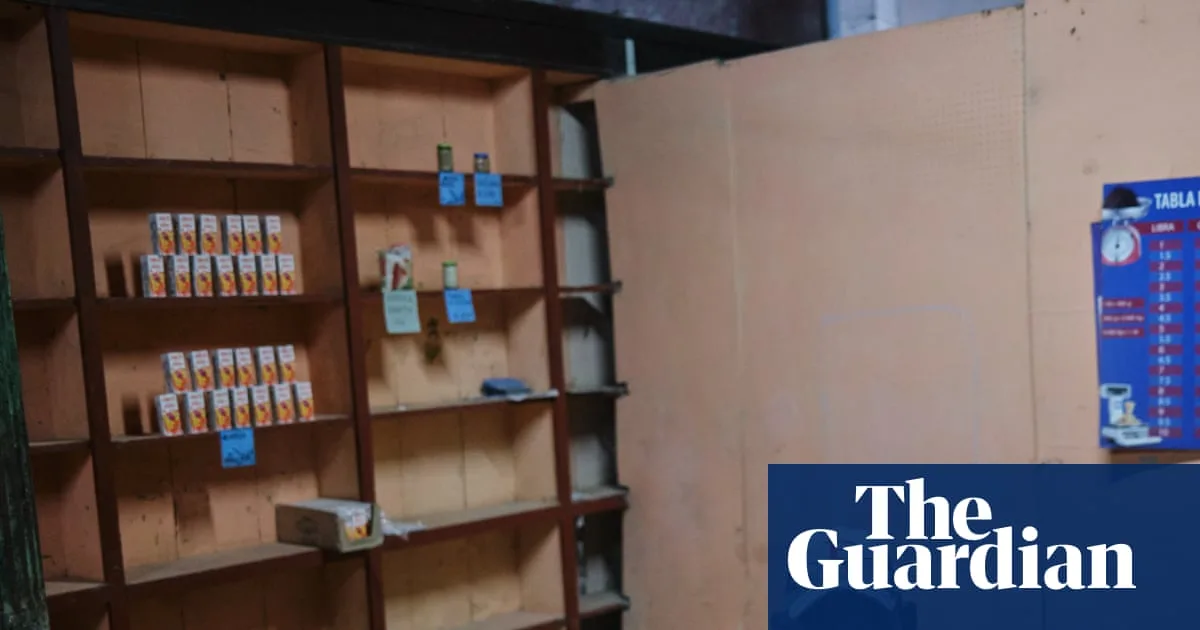
Of Cuba's 15 main economic sectors, 11 are in decline, led by sugar (down 68% in five years), fishing (down 53%), and agriculture (down 52%). Tourism revenue has fallen by 60%. The crisis is visible in Havana, where rubbish piles up due to inadequate collection, crumbling colonial buildings collapse, and countless unemployed residents resort to informal hustling.

Experts point to a combination of external and internal causes: 68 years of US sanctions—the most enduring trade embargo in modern history—and a stagnant, state-focused economic model. The embargo has crippled Cuba's access to credit and international partnerships, while historical allies like Russia and China no longer offer unlimited support due to the island's crushing public debt, which stands at 108.6% of GDP.

Erosion of a Social Model and Rising Disillusionment

The mass migration has triggered a severe brain drain, emptying classrooms and creating shortages of key personnel in hospitals. "When you lose an engineer, you lose 22 years of investment. It's very difficult to recover from that," says Juan Triana Cordoví, an economist at the University of Havana. The loss is acutely felt in healthcare, where approximately 80% of care for the elderly is traditionally provided by women in the family, a cohort now leaving in droves.

Disillusionment, particularly among the youth, is palpable. Graduates like 23-year-old Cristian Cuadra, a mechanical engineer in Havana, find state salaries of about £12-£14 per month insufficient. Many abandon their professions for informal work, like driving for ride-hailing app La Nave, to save money to emigrate. "I don't believe in the revolution—it's not worth supporting something that doesn't produce results," Cuadra states, reflecting a generational shift away from the ideals of Che Guevara and Fidel Castro.

While the government acknowledges a reduced population, it puts the decline at 14%—still the world's second-worst over a five-year period behind war-torn Ukraine. Officials blame the US embargo for the "demographic challenges." However, critics also point to internal policy failures, such as heavy state investment in tourism infrastructure over agriculture and energy, and a reluctance to enact meaningful economic reforms.

Political Stasis and an Uncertain Future

The political landscape remains tense. Following the historic 11J protests in July 2021, the government cracked down, arresting hundreds. Human Rights Watch reports at least 700 people imprisoned since then, facing lengthy sentences amid allegations of torture and poor conditions. This repression, dissidents argue, weakens internal opposition by jailing any potential organisers.

Some analysts believe the overlapping crises have created conditions for change, but fear and a robust state security apparatus stifle action. "In Cuba, people have lost hope. And when you have no hope, you lose the will to live, to do anything, even to rebel," says exiled dissident Luis Leonel León. Others, like academic Helen Yaffe, note a decline in revolutionary fervour but insist many Cubans still seek improvement from within the system, not its overthrow.

With the country producing less than 50% of its electricity needs, frequent blackouts, and increasing vulnerability to climate disasters, experts warn of a potential humanitarian tipping point. The question now is whether the regime can survive this engulfing polycrisis, or whether the exodus of its people will ultimately determine its fate.