How to Create a Cottage Garden in a Small Space: Expert Tips
Create a Cottage Garden in a Small Space: Expert Tips

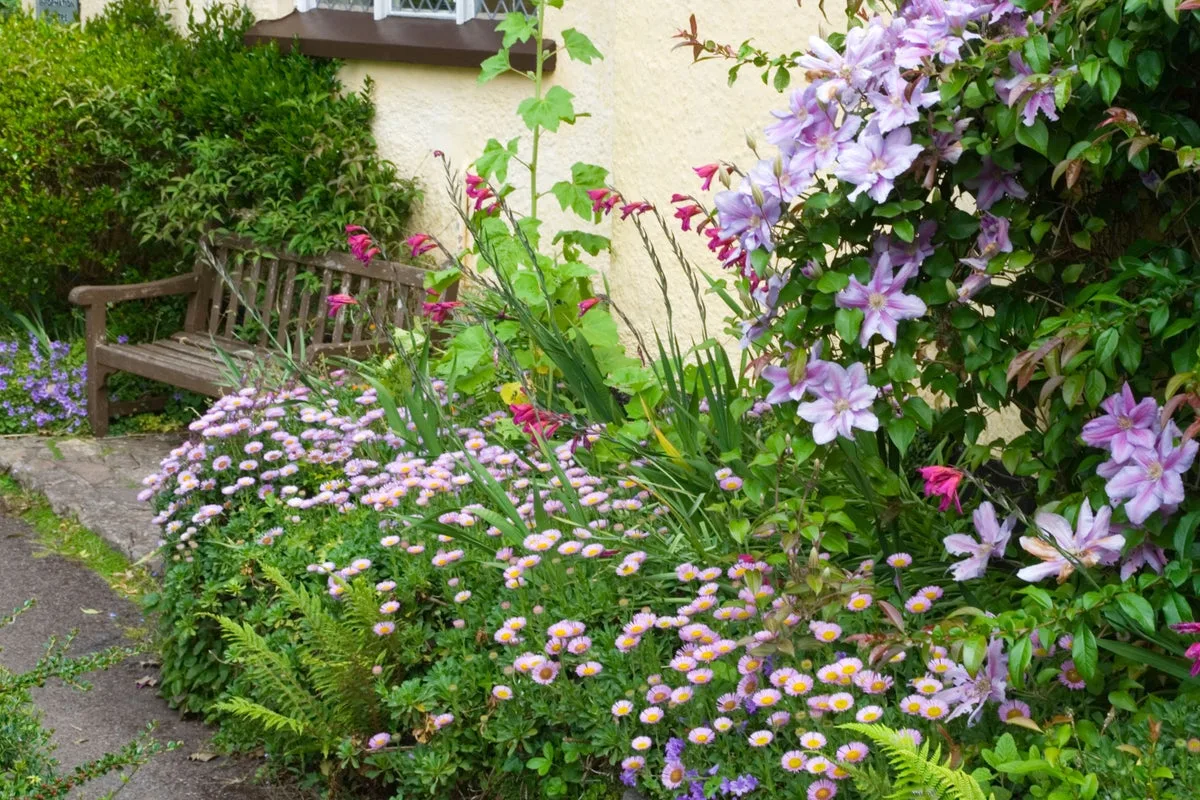
The vision of a cottage garden often evokes images of a rural retreat in the Cotswolds, with clouds of peonies, roses, lupins, and delphiniums swaying in the summer sun. But you don't need a country estate to achieve this look. According to writer and gardener Joff Elphick, author of A Year In A Cottage Garden, co-written by Sue O'Neil, a cottage garden can thrive in a small space with the right approach.

Design Philosophy: Organised Chaos

Elphick explains that cottage gardens are often associated with small spaces that are heavily planted but with a loose hand. "From the point of design, we almost let the plants get on with it themselves," he says. "Self-seeders are encouraged, and we like to think that where they seed, the spot they've chosen is probably best for them." The result is a tapestry of plants that evolves naturally over time, requiring relatively low maintenance.

Key Elements for Small Spaces

You don't need an old property or a large lawn. With pots and the right plants, you can bring the countryside into an urban setting. Keep landscaping simple, perhaps with a gravel path that isn't overly engineered. For boundaries, use wires for climbers, or add a natural wigwam made from hazel sticks.

Wide Pickt banner — collaborative shopping lists app for Telegram, phone mockup with grocery list

Soil Preparation

Check your soil type—whether it's clay or sandy—and dig in organic matter to enrich it. Leaf mould is an excellent additive, helping plants thrive in balanced soil.

Colour and Plant Support

Elphick advises against a carefully blended colour scheme. Instead, go for a mix of colours that doesn't look overly designed. Support taller plants early with stakes to prevent them from flopping over and smothering neighbours.

Recommended Plants

Annuals

  • Papaver somniferum (opium poppy): Tall but not ground-hungry, self-seeds, with pink and purple flowers and decorative seedheads.
  • Papaver rhoeas 'Mother Of Pearl' and 'Amazing Grey': Smaller poppies, about 18 inches tall, self-seed in a range of colours.
  • Nasturtiums, French marigolds, primulas, petunias, forget-me-nots: Easy self-seeders.
  • Honesty, foxgloves, Cosmos bipinnatus: Classic choices; for smaller spaces, try the Cosmos sonata series.

Perennials

  • Lavender 'Hidcote': Compact and well-behaved.
  • Wild geraniums: Choose lower-growing macrorrhizum varieties for scent and compactness.
  • Erigeron karvinskianus (Mexican fleabane): Dainty, long-flowering; cut back by half if straggly in late summer.
  • Catmint: Avoid large varieties like 'Six Hills Giant' or 'Walker's Low'; opt for compact 'Little Trudy'.
  • Alchemilla mollis (lady's mantle): Perennial that can be cut back when tatty.

Flowering Shrubs

  • Philadelphus 'Manteau d'Hermine' (mock orange): Small, scented, with double white flowers, growing to about a metre.
  • Cotoneaster horizontalis: Excellent against walls, with tiny white flowers and berries for birds.

Classic Favourites

  • Delphiniums: Great performers if slugs are controlled.
  • Roses: 'Phyllis Bide' is compact and can be trained against a wall; 'Blush Noisette' is disease-resistant with pale pink flowers.
  • Clematis 'Princess Diana': Tulip-shaped dark pink flowers, not too large.
  • Orange-peel clematis (C. tangutica): Can be cut to the ground in winter and will regrow.

For more inspiration, A Year In A Cottage Garden by Joff Elphick and Sue O'Neill is published by Genus, priced £19.50.

Pickt after-article banner — collaborative shopping lists app with family illustration