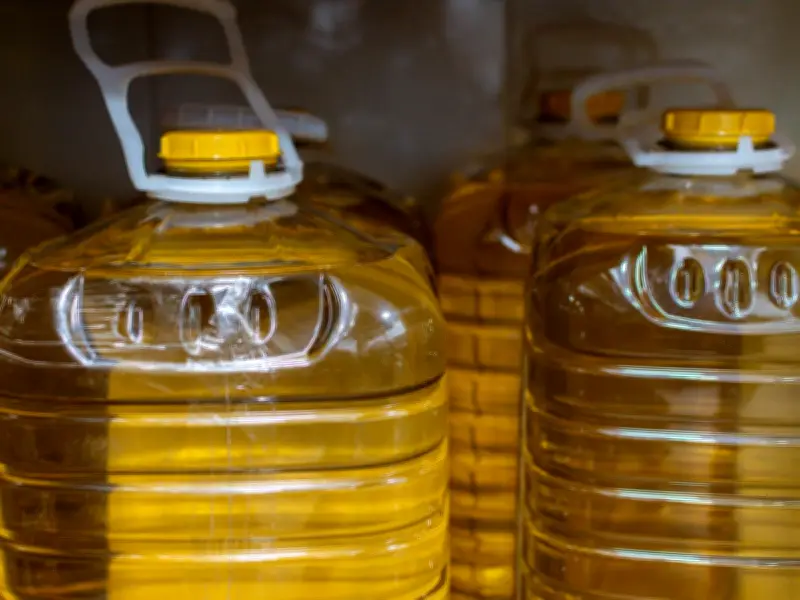
A waste collector has clarified the proper method for disposing of used cooking oil, and it is not in the food waste bin as many people assume. The expert, known as the No1 Binman on TikTok, regularly provides guidance on waste disposal to the British public.
Common Misconceptions About Cooking Oil Disposal
Used cooking oil presents challenges when handled improperly. Pouring it down the sink is forbidden as it solidifies and causes blockages requiring expensive repairs. The food waste bin might seem logical, but according to the waste collector, it is equally incorrect.
The No1 Binman stated: "Used cooking oil should go in your general waste. Do not put it in the food waste, and definitely not the recycling bin." He emphasized that oil should not be poured loose into the bin, as it risks damaging the bag. He advised: "If you can, put it in a container or something that can't be recycled and then put it in your general waste. It stops it from going anywhere in case a bag splits."
Exceptions for Large Quantities
A carton or jar with a tight-fitting lid serves as a suitable container. The waste collector noted an important exception: "If you've got loads of it, like commercial, then no, it doesn't go in your general bin. You'd have to either contact your council or get someone else to come and collect it. But if it's just like a normal family-sized amount of cooking oil, then it'll just go in your general waste."
Alternative Uses for Used Cooking Oil
Specialists at Zero Waste Scotland suggest recycling options for surplus cooking oil. It can be applied to garden sheds or fences as an alternative to creosote, as it will not discolour wood and is safe around animals and plants. Alternatively, cooking fat from chicken or bacon can be turned into homemade bird treats. Pour it into a container, mix with bird seeds and nuts, let it set, and hang it outside for birds to enjoy.