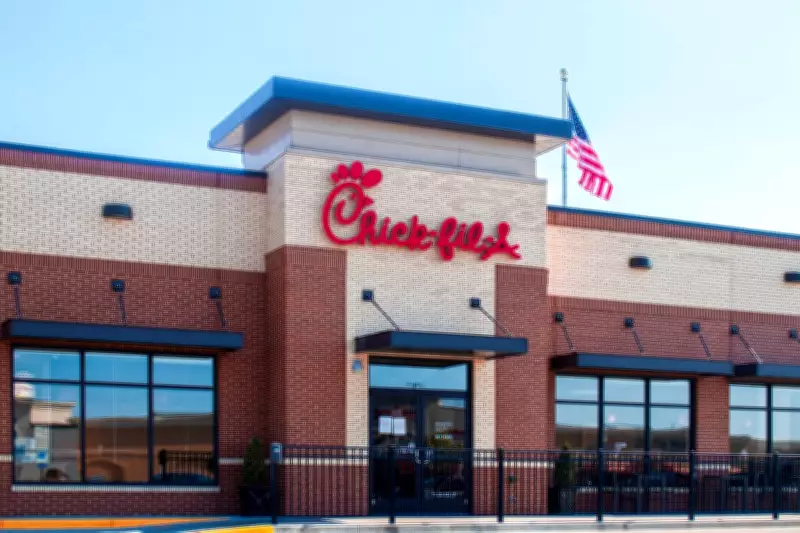
A major fast-food chain is embroiled in a significant legal battle as a Black operations executive files a federal civil rights lawsuit, alleging severe racial and homophobic abuse within one of its franchises. The case centres on Chick-fil-A and its Wayne Square franchise owner, Joshua Grimm, with the plaintiff, Tiffany Lynch, claiming a pattern of discriminatory behaviour that has sparked widespread concern.
Allegations of Persistent Bigotry
Tiffany Lynch, who is both Black and gay, has levelled serious accusations against Joshua Grimm, who is white. According to the lawsuit, Grimm regularly used the “N-word” in the workplace, alongside making derogatory comments about Black people's hygiene and perceived cheapness. The complaint further alleges that he questioned Lynch's judgment specifically when she attempted to hire Black employees, with reports suggesting he refused to employ individuals he described as “ghetto Black.”
Homophobic Remarks and Corporate Response
In addition to the racial abuse, Lynch states that Grimm made repeated homophobic comments directed at her due to her sexual orientation. The lawsuit characterises his behaviour as “clear racism” that extended even to “well-to-do Black clientele,” indicating a pervasive issue. Despite Lynch raising vocal objections and filing formal reports with the human resources department, which was managed by Grimm's sister, her complaints were allegedly not meaningfully investigated, leaving the abusive environment unchecked.

Termination and Lack of Support
The situation escalated when Lynch was terminated by Grimm for “subpar performance” shortly after taking a vacation and notifying Chick-fil-A corporate about the discrimination. Corporate reportedly responded by stating they were “unable to help,” a claim that has raised questions about the chain's accountability and support systems for employees facing harassment. This termination has intensified the legal scrutiny, with Lynch seeking redress for the alleged injustices she endured.
Broader Implications for Fast-Food Industry
This lawsuit highlights ongoing challenges with workplace discrimination in the fast-food sector, particularly concerning franchise operations. As Chick-fil-A celebrates its 80th anniversary, the case underscores the importance of robust anti-discrimination policies and effective grievance mechanisms. Legal experts suggest that the outcome could influence how similar allegations are handled across the industry, potentially leading to stricter regulations and enhanced employee protections.
The federal civil rights lawsuit is currently proceeding, with both sides preparing their arguments. Public reaction has been mixed, with some calling for boycotts and others awaiting further evidence. Regardless of the verdict, this case serves as a stark reminder of the need for inclusive and respectful work environments in all businesses.