

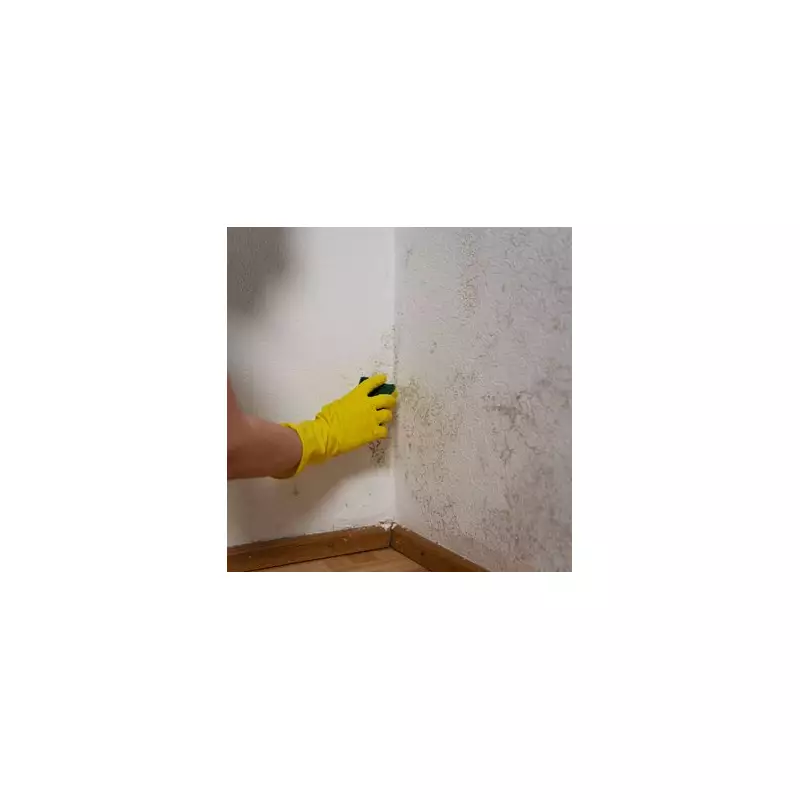
As winter tightens its grip and energy bills climb, a silent and potentially hazardous intruder is spreading through UK households: mould. This unwelcome guest not only damages property but also poses significant health risks, making early action essential.
Five Budget-Friendly Strategies to Keep Your Home Dry
While turning up the heating might offer a quick fix, it's an expensive solution. Fortunately, Nancy Emery, a bathroom and kitchen expert from Drench, has shared five cost-effective methods to prevent condensation and mould, ensuring your home stays dry and healthy through the colder months.
Her first and most impactful tip is remarkably simple. Wiping down wet surfaces immediately after use can eliminate up to 75% of the moisture that leads to mould growth, taking less than five minutes. This includes areas around the kitchen sink after washing up and on bathroom tiles and floors following a shower.

"Accumulated water on tiles, no matter the room, can seep into the grout and silicone," Nancy explained. "This is precisely where a build-up of mould is most likely to start."
Maximise Ventilation and Rethink Laundry
Another crucial piece of advice is to use extractor fans correctly, despite any noise they may make. These fans are vital for removing damp air from kitchens and bathrooms. They should be switched on during cooking or showering and left running for at least 30 minutes afterwards to be fully effective. Regular cleaning is also key, as built-up dust can severely hamper their performance.
With colder weather, many resort to drying laundry indoors, but Nancy warns against draping clothes over radiators. "Although it may seem like an easy way to cut costs, drying clothes on the radiator instead of using a tumble dryer or rack can lead to higher amounts of condensation from the lack of airflow," she said. This excess dampness lingers and encourages mould, often causing unpleasant odours. She recommends using a heated clothes airer or towel rail as a safer alternative.
When to Consider a Dehumidifier
For homes struggling with persistent high humidity, investing in a dehumidifier can be a smart move. This is particularly useful in high-traffic areas or where damp clothing is dried. "In rooms with heavy use, like your bathroom, living room, kitchen and bedroom, it may be a good idea to use dehumidifiers," Nancy suggested. She noted that a range of options is available, from heavy-duty appliances to more affordable everyday models found in supermarkets and home retailers.
By implementing these straightforward, budget-conscious strategies, homeowners can effectively combat the twin threats of condensation and mould, protecting both their property and their family's wellbeing this winter.






