

A sobering new analysis from the World Bank has revealed that a quarter of all developing nations are now poorer than they were before the Covid-19 pandemic struck in 2019.
Sub-Saharan Africa Bears the Brunt
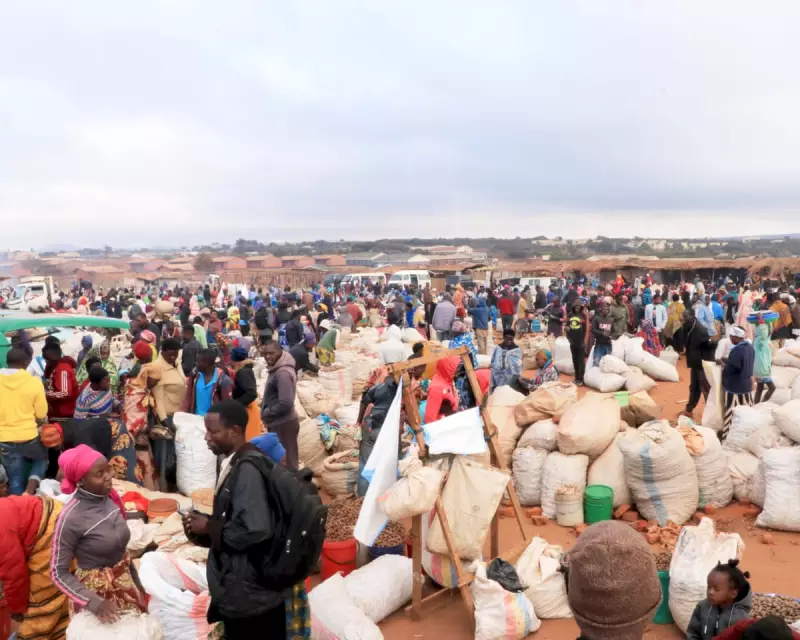
The Washington-based institution's report highlights that a significant cluster of low-income countries, many located in sub-Saharan Africa, endured a negative economic shock over the six-year period ending in 2024. This means average incomes in these nations have fallen, reversing years of hard-won progress.
The bank stated that while the global economy has shown resilience, growth has fundamentally "downshifted" since the pandemic. This slower pace is now insufficient to reduce extreme poverty and generate the jobs desperately needed, particularly for young populations.

A Stalled Global Recovery
Economic projections underscore the challenge. Growth in emerging market and developing economies is expected to decelerate from 4.2% in 2024 to 4% in 2025. Globally, expansion is forecast to remain broadly steady but modest, easing from 2.7% in 2025 to 2.6% in 2026.
The report notes that many of the affected countries have been further set back by conflicts and food crises, hampering their post-pandemic bounce-back. More recent upticks in growth have been too weak to compensate for earlier severe slumps.
Indermit Gill, the World Bank's Chief Economist, issued a stark warning: "These trends cannot be explained by misfortune alone. In far too many developing countries, they reflect avoidable policy mistakes."
A Prescription for Growth
Gill argued that to reignite dynamism, governments must pursue aggressive reforms. His formula includes:
- Strict adherence to budget rules to ensure fiscal stability.
- Liberalising private investment and international trade.
- Controlling public consumption.
- Investing strategically in new technologies and education.
He emphasised the urgency, pointing to the 1.2 billion young people under 16 who will enter the global job market within the next decade. The current growth trajectory is failing to create sufficient opportunities for them.
"With each passing year, the global economy has become less capable of generating growth and seemingly more resilient to policy uncertainty," Gill concluded. "But economic dynamism and resilience cannot diverge for long without fracturing public finance and credit markets."






