Victoria 2026 Budget: Winners and Losers in Transport, Education, and Debt
Victoria 2026 Budget: Winners, Losers, and Key Measures

The 2026-27 Victorian state budget, unveiled by the Allan government, prioritises school and road infrastructure, technology upgrades, and cost-of-living measures. These include free public transport until the end of May, followed by half-price fares until 2027. The budget aims to make life 'easier, safer, and more affordable' amid inflationary pressures linked to global conflicts.

Winners

Motorists

The government allocates $750 million for a 20% rebate on vehicle registration from 1 June to 31 July, saving drivers $186. Additionally, $1.04 billion is earmarked for road rebuilding, repair, and resurfacing, with 70% directed to regional Victoria, described as the 'biggest roads blitz in the state's history'. The 'Servo Saver' feature on the Service Victoria app will also allow fuel price comparisons.

Public Transport Users

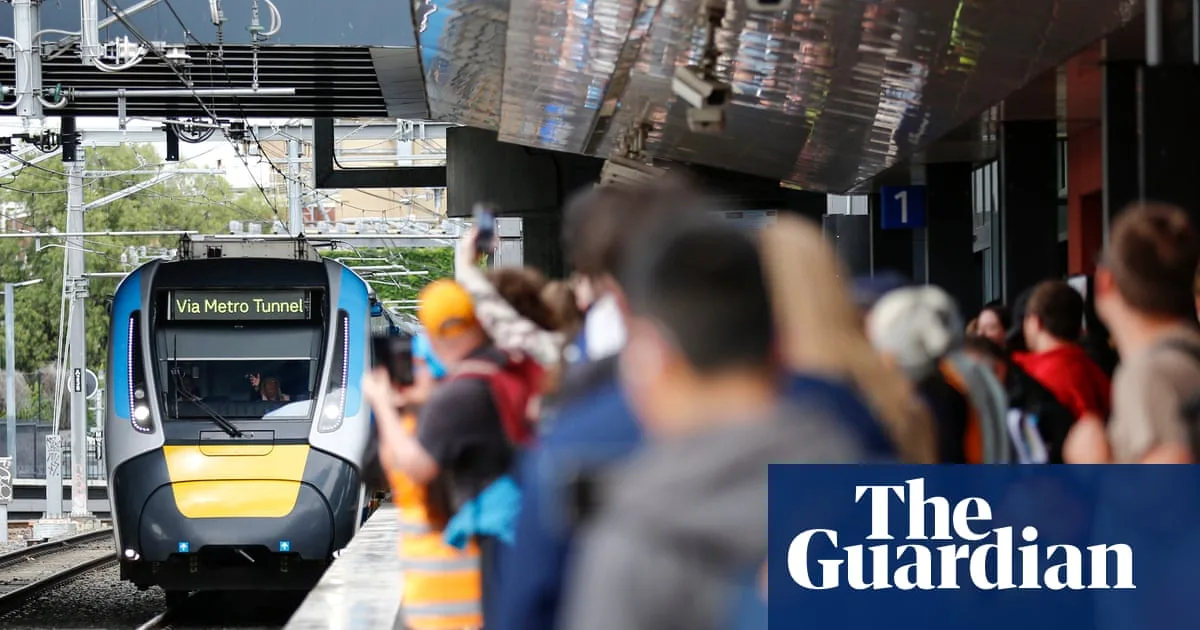
As a cost-of-living support measure, $432 million will extend free public transport until end of May, then half-price fares from 1 June to end of year. Upgrades include $100 million for bus routes, $76.35 million for Melton line electrification design, $14.8 million for Wyndham Vale line capacity, and $76 million for tram network improvements with more accessible stops.

Wide Pickt banner — collaborative shopping lists app for Telegram, phone mockup with grocery list

Melbourne's Western Suburbs

Addressing perceived neglect, the budget commits to Melton and Wyndham Vale train line upgrades, $249 million for maternity services, $95 million for Werribee Mercy hospital emergency department, $2 million for Melton hospital, and $7 million for police prosecutions at Wyndham law courts.

Families with Children

Education spending totals $19 billion, including $5.5 billion new investment. Key measures: $16 million for free eye tests and glasses for children, $15 million for free zoo entry for under-16s on weekends/holidays, $11 million for 55,000 Get Active Kids vouchers for sports equipment. Also, $2.4 billion over five years for Thriving Kids, a replacement program for NDIS recipients with autism.

The Lottery Corporation

The ASX-listed operator receives an unprecedented 40-year licence extension to 2068. The government expects gambling tax revenue to grow 0.4% annually, with lottery sales offsetting declines from poker machines.

Tech Companies

To become Asia-Pacific's datacentre hub, $5.5 million in 2026-27 encourages private investment, and $3.2 million over two years for a strategy team on AI energy needs. Other tech spending: $154 million for cybersecurity, including $37 million for healthcare data protection, and $38 million for police IT integration with the national firearms register.

Losers

Future Generations

Despite a $727 million operating surplus in 2025-26, state debt is forecast to grow from $165.3 billion in June 2026 to $199.3 billion by 2029-30. Interest payments will reach $11.82 billion annually ($32 million per day), with no meaningful debt reduction planned.

Young People on the Wrong Side of the Law

The budget allocates $397 million for tougher bail laws and $117.5 million for County court hearings of alleged young offenders, compared to $81 million for youth intervention programs to prevent crime.

Poker Machine Venues

Revenue from electronic gaming machine taxes is expected to decline as harm minimisation measures take effect in hotels and clubs.

People Wanting a Train to the Airport

The Sunshine Station Superhub, initially the first stage of Melbourne Airport Rail, is now not expected until 2030. Remaining expenditure and completion date for the airport rail line remain unconfirmed.

Pickt after-article banner — collaborative shopping lists app with family illustration