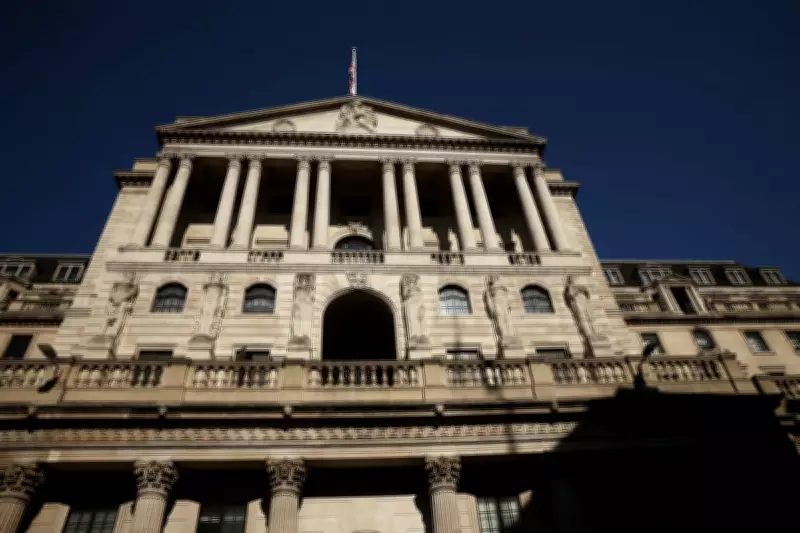
The Bank of England (BoE) has voted to hold interest rates at 3.75 per cent, balancing the perils of rising inflation against an underperforming economic backdrop.
With the Iran war again pushing up the price of oil this week, higher energy bills and rising costs across food and manufacturing are likely for much of 2026, placing additional pressure on households and businesses.
Interest rates were on a downward trajectory after being cut four times last year, with early expectations that another two cuts could follow in 2026 as inflation moved back towards the 2 per cent target.

However, the Iran war has altered that outlook, and some experts argue that rates may need to rise again to combat the incoming inflation surge, the start of which was already evident in March’s UK economic figures, which rose to 3.3 per cent.
In mid-March, the Monetary Policy Committee (MPC) voted 9-0 to maintain the bank rate at 3.75 per cent as it awaited clarity on both the duration and impact of the war, which was then only a few weeks old.
But six weeks later, there is no sign of a resolution. The Strait of Hormuz remains effectively closed to oil tankers, and domestically, businesses have already noted the impact through falling exports or needing to pass on price rises. High street sales are expected to continue declining, and SMEs are seeing sales growth fall to a two-year low, according to the latest release of Xero’s Small Business Index.
Several mortgage lenders have reduced rates over the past week or two, as swap rates fell back slightly following sharp rises in the early weeks of the war, which led to the best deals being pulled.
However, even with the BoE interest rate held, it remains unlikely that a wide range of low-cost mortgages will return soon. Markets are still pricing in up to three interest rate hikes, and even if that number does not materialise in BoE terms, high street banks price their products based on those figures.
For savers, however, the news is positive, with several financial institutions still offering good rates well above 4 per cent, and one expert suggests they could go higher.
“To keep the value of your savings intact, it pays to shop around. The good news is that there are lots of inflation-beating options available,” said Kate Steere, personal finance expert at Finder.
“I’d urge savers to avoid tying themselves into a fixed deal at the moment. Instead, check out the top easy access options and set a reminder to review your accounts in a few months, when any upward movement in the base rate may well be reflected in even more competitive savings rates.”
The National Debtline service says it is seeing initial signs of concern among callers, indicating cost of living worries.
“A hold in interest rates won’t bring immediate relief to many households,” said Grace Brownfield, head of debt advice communications. “While we haven’t yet seen a rise in mortgage arrears among people contacting National Debtline, we are seeing more people struggling with everyday costs, particularly energy bills and credit cards.
“These are often the first warning signs of wider financial difficulty, especially for households already under pressure from higher prices and stagnant incomes.”