UK Farmers Threaten Nationwide Fuel Protests as Diesel Prices Soar Past £2 Per Litre
Farmers across the United Kingdom are preparing to organise nationwide fuel protests following the dramatic surge in diesel prices, which have now exceeded £2 per litre. This alarming development comes as the ongoing war in Iran continues to disrupt global oil markets, placing immense strain on agricultural sectors already grappling with economic pressures.
Irish Protests Set Precedent for UK Action
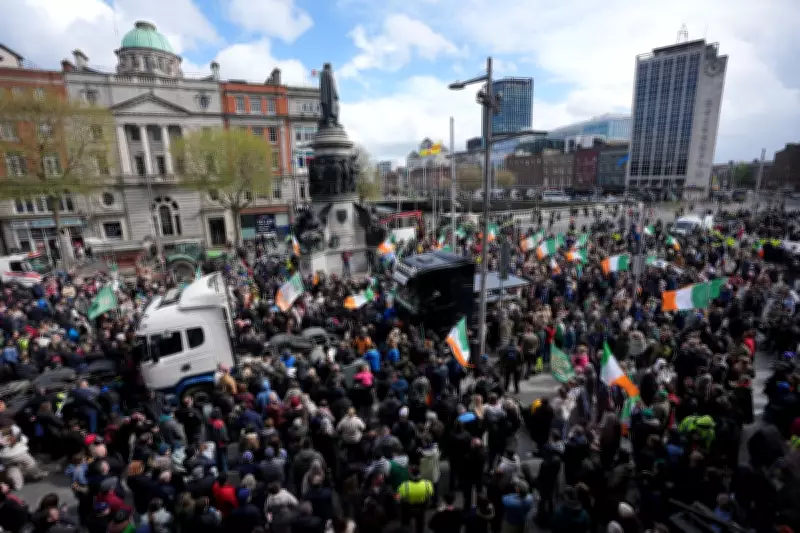
The planned demonstrations in Britain follow similar disruptive protests that have been unfolding in Ireland for nearly a week. Irish farming organisations, hauliers, and agricultural workers have been coordinating efforts that have now entered their sixth day, targeting major motorways with slow-moving convoys and strategically disrupting the country's sole oil refinery and key fuel depots.
The Irish government has been forced to call an emergency Cabinet meeting to address the escalating situation, while police have deployed public order units in Cork, Galway, and Dublin, resulting in multiple arrests. This precedent has clearly influenced discussions among UK farming groups.

Critical Meeting Scheduled for Next Week
According to reports in The Telegraph, farming organisations in the UK are set to convene at the beginning of next week to discuss coordinated nationwide demonstrations. A source familiar with the planning told the newspaper: "We've hit the £2 mark on a litre of diesel. That's a scary place to be. It will be a matter of time before people in this country start to go out and protest."
The same source emphasized the reluctance of farmers to take such action, noting: "Farmers are the last people who want to go out and protest. You have to remember this is a very busy time of the year for us. But with the inheritance tax protests, you've got the groups that have been set up. The infrastructure is there to mobilise."
Geopolitical Factors Driving Price Surge
The dramatic increase in fuel prices stems directly from the conflict involving the United States, Israel, and Iran, which has resulted in the closure of the Strait of Hormuz - a crucial shipping lane responsible for transporting approximately one-fifth of the world's oil supply. The average price of diesel in the UK has now surpassed 190p per litre, representing an increase of more than one-third since the escalation of hostilities and reaching record highs not seen since 2022.
Peace talks between the US and Iran failed to produce any agreement on Saturday, meaning the vital Strait of Hormuz remains closed, potentially driving fuel prices even higher in the coming weeks. This geopolitical instability has created perfect conditions for the current price crisis.
Official Responses and Concerns
The National Farmers Union has stated that it has not received direct communication from the farming community regarding plans for protests similar to those occurring in Ireland. An NFU spokesperson told The Independent: "The war in Iran is deeply concerning, particularly for those across the Middle East. The resulting disruption to global oil and gas markets is putting a significant strain on farmers and growers, who are already under immense economic pressure and can't absorb additional increases in costs."
The spokesperson added: "While we are working hard to support our members and have been in constant contact with Defra and wider government on things it can do to support the farming sector at this critical time, we don't support protests that have the potential to inconvenience the public and further disrupt supply chains. Farming has strong public support, for which we are extremely grateful, and it is important that nothing undermines that."
Meanwhile, political leaders in Northern Ireland have urged UK Prime Minister Sir Keir Starmer to act "decisively and without delay" to assist people suffering from rising fuel costs in the region. The UK's Department for Environment, Food & Rural Affairs has been approached for comment regarding the developing situation.

The combination of geopolitical instability, record fuel prices, and existing economic pressures on the agricultural sector has created a volatile situation that threatens to spill over into widespread protests across the United Kingdom, mirroring the disruption currently being experienced in Ireland.