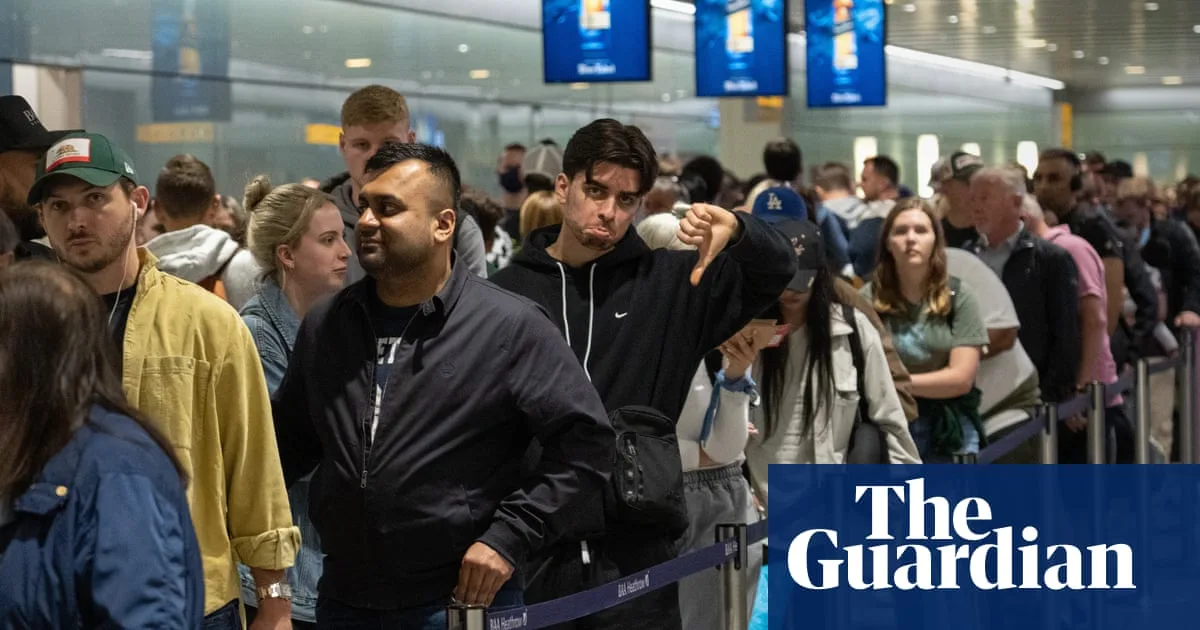
Holidaymakers face fresh anxieties for summer 2026 as Brexit border checks and fuel shortages from the Iran-Israel conflict threaten flights to Europe. Legacies of Brexit mean longer queues for Britons, while the war has raised fears airlines may not have enough fuel for all scheduled services.
The EU's new entry-exit system (EES), requiring biometric data from non-EU visitors, remains in limbo after the 10 April deadline passed without full implementation. Confusion persists over its status, adding to potential delays at borders.
The International Energy Agency warns Europe has only six weeks of jet fuel supply left before shortages hit unless Middle East oil restarts. Iran's foreign minister said the Strait of Hormuz would open during a 10-day ceasefire in Lebanon, but hopes depend on the truce holding. Airlines UK states British carriers currently see no disruption due to diverse supply sources.
EasyJet CEO Kenton Jarvis said the airline has visibility to mid-May and no fuel concerns, dismissing Ryanair CEO Michael O'Leary's warning of up to 10% flight cancellations as 'speculation'. Ryanair has warned of cuts if shipping does not normalise quickly. Airlines are lobbying for relaxed airport slot rules as a contingency.
Transport analysts question transparency, with Barclays' Andrew Lobbenberg expecting fewer flights from forced cuts in May, June and July due to fuel shortages, followed by voluntary cuts for price reasons later. Wood Mackenzie analyst Isabelle Gilks said Europe can pull barrels from other regions like the US, but disruption dragging into summer could lead to higher fares and route reductions rather than widespread groundings.
Low-cost carriers operating short-haul routes may be particularly affected, with airlines likely to manage demand by trimming capacity on weaker routes. The situation remains fluid, dependent on the ceasefire and subsequent oil flows.