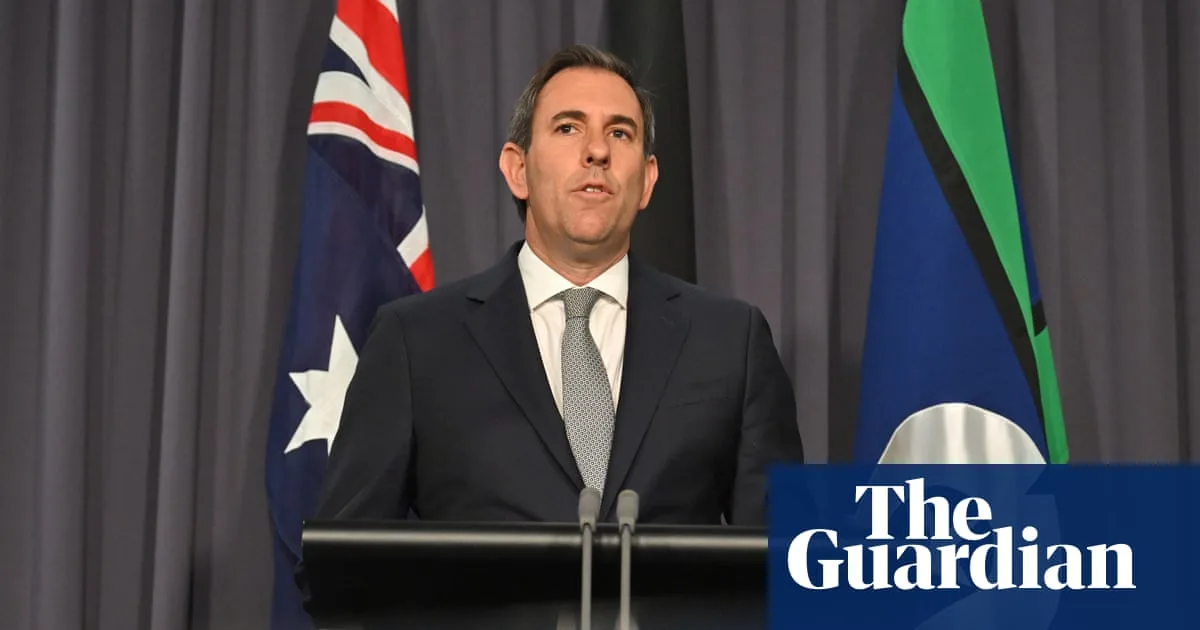
The Albanese government has abandoned its controversial proposal to tax unrealised gains on superannuation balances over $3 million, following widespread criticism. Treasurer Jim Chalmers announced the revised plan on Monday, which includes a doubling of the concessional tax rate on balances between $3 million and $10 million from 15% to 30%, but with significant changes to other elements.
The most notable change is the scrapping of the tax on unrealised gains, which had faced sustained opposition from self-managed super fund operators who argued it could force some to sell assets to cover tax on notional value changes. The government will also index the $3 million and $10 million thresholds to inflation and delay the start date by a year to 1 July 2026.
Additionally, the low-income superannuation tax offset will increase by $310 to $810, with the eligibility threshold rising from $37,000 to $45,000 from 1 July 2027. The revised plan is expected to raise $1.6 billion in its first year (2028-29), down from the original $2.7 billion, partly due to the $435 million cost of the offset.
Former Labor Prime Minister Paul Keating, a vocal critic of the original plan, praised the revised policy as a “huge policy achievement”. However, the Greens’ economics spokesperson Nick McKim welcomed the help for low-income earners but criticised other aspects as a “gift to the super-rich”. The government needs support from either the Coalition or the Greens to pass the legislation.