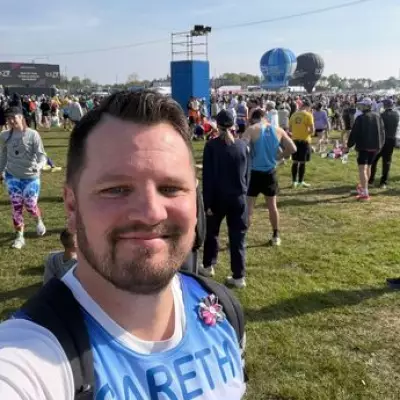
Prominent Scottish entrepreneur and philanthropist Sir Tom Hunter has issued an emotional plea to the Scottish Government, revealing that witnessing the stark decline of his hometown's high street brought him to tears.
A Personal Plea Amidst Economic Strain
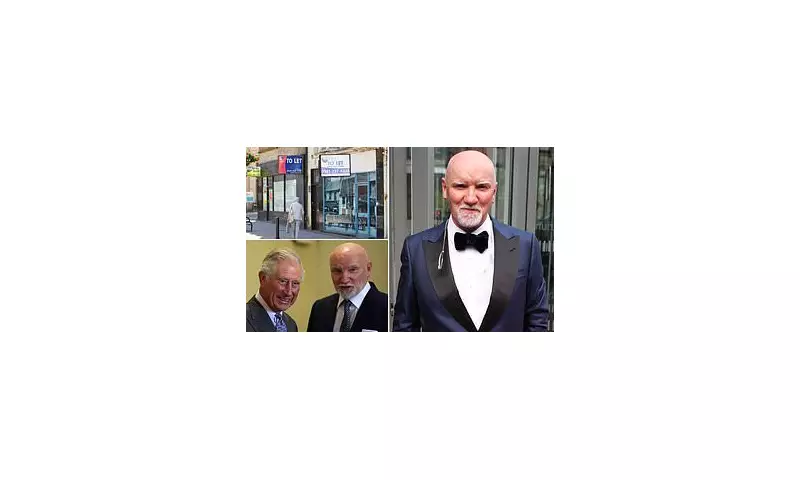
In a candid message ahead of Tuesday's Scottish Budget, the 63-year-old millionaire described walking down Ayr High Street at Christmas and being overcome with emotion at the sheer number of shuttered shops. Sir Tom, who began his business career selling trainers from a van before opening a shop on that same street, lamented the loss of what was once a "thriving hub."
His dramatic intervention comes with a stark warning to SNP ministers: increasing the burden of business rates will force more companies to collapse, costing jobs and increasing reliance on the state. He implored the government to stimulate the economy by easing the tax load on businesses, arguing that punitive measures are ultimately counter-productive.

The Looming Threat of Rate Hikes
Sir Tom's comments arrive amid significant concern over an upcoming revaluation of business premises in Scotland, which experts fear could lead to rate increases of up to 300 per cent. He pointed out that Scottish firms already pay a heavy premium, having shouldered an extra £580 million in business rates compared to their counterparts in England last year.
"If you just keep putting up business rates, the amount you raise will actually decrease in time and you will collect less in tax," Sir Tom argued. He explained that driving businesses to closure through high costs simply shifts people onto benefits, creating a greater burden on the public purse. His solution is clear: "Stimulate to invest, so more people are paying tax into the system."
A Manifesto for Change and Wider Grievances
Beyond his personal appeal, Sir Tom revealed that he and an alliance of the nation's entrepreneurs plan to launch their own 'Entrepreneurs' Manifesto' in the coming weeks, aiming to influence all political parties ahead of May's Holyrood elections. This blueprint will outline a business-centric recovery plan for Scotland's ailing economy.
His critique extends beyond taxation. Sir Tom also called for a review of policies that discourage town centre visits, notably sky-high parking charges and the reduction of car access in favour of bus and cycle lanes. "Let's make it easy and cheap to park in a town centre," he urged, advocating for a balanced and "just transition" that doesn't vilify motorists.
His stance is a direct challenge to the financial strategy of the SNP, which he previously accused of delivering a decade of 'mismanagement' of the Scottish economy through excessive taxes and red tape. As Finance Secretary Shona Robison prepares a Budget she says will focus on the NHS and cost of living, Sir Tom's message is unequivocal: the government must start doing things "with" business, not "to" it, to foster a thriving economy that generates the tax revenue needed for vital public services.