Rachel Reeves' Spring Statement: Economic Update Amid Global Uncertainty
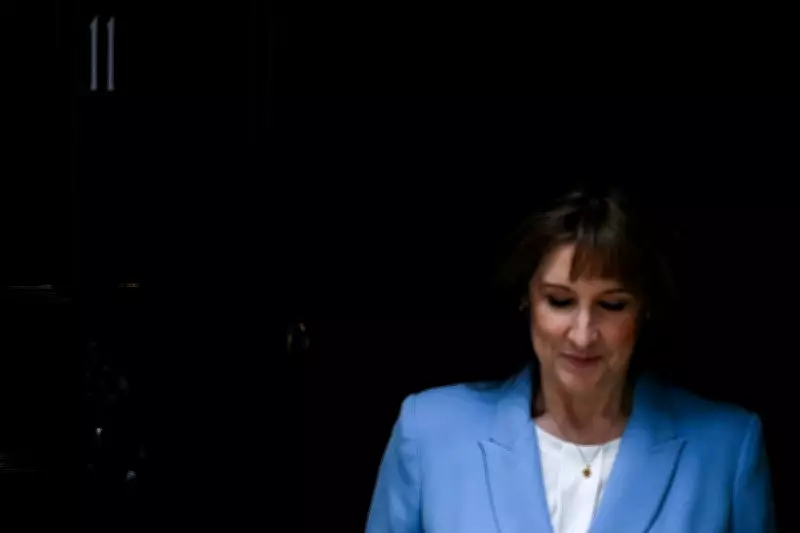
Chancellor Rachel Reeves has affirmed her commitment to the government's economic strategy, despite the Office for Budget Responsibility revising down growth forecasts for 2026 and escalating concerns over the Middle East conflict's impact. In a Spring Statement devoid of new tax or spending measures, Reeves provided a comprehensive overview of the nation's finances, emphasising stability in the face of mounting global challenges.
Energy Prices and Geopolitical Risks
The chancellor announced plans to meet with North Sea industry leaders to discuss gas and oil prices, which have surged due to Iran's threats to a critical shipping route. The OBR highlighted that the Middle East conflict, which intensified as forecasts were finalised, could significantly affect global and UK economies, particularly in energy markets. Their report warns of ongoing volatility in geopolitics and trade policy.
This meeting has sparked speculation about potential adjustments to the windfall tax on oil and gas companies, currently set at 38 per cent. Introduced in May 2022 after profits soared following Russia's invasion of Ukraine, the tax is due to end in 2030. The government has launched a consultation on replacing it with a new regime aimed at providing sector certainty while protecting consumers from future shocks.

However, experts indicate that UK households are unlikely to see immediate changes to energy bills from the current crisis. Gas wholesale prices influence Ofgem's energy price cap, and these global events will be factored into the next cap, effective from July.
Revised Growth Forecasts
The OBR has downgraded UK growth for 2026, projecting a 1.1 per cent increase in GDP, down from the 1.4 per cent forecast in November. Conversely, forecasts for 2027 and 2028 have been upgraded from 1.5 per cent to 1.6 per cent. Reeves noted that despite these adjustments, average growth across the forecast period remains largely unchanged, with GDP growing slightly slower in 2026 but faster in subsequent years.
She highlighted that by the next election, after accounting for inflation, individuals are forecast to be over £1,000 a year better off, underscoring the resilience of Britain's economy, which she claimed had the fastest growth of any G7 country in Europe last year.
Net Migration and Employment Trends
Net migration is expected to fall, with the OBR reducing its central forecast by around 60,000 people annually on average, driven by a more negative assumption for net migration by British nationals. This follows recent policy changes, such as increasing the minimum earning threshold for overseas workers from £26,200 to £38,700, aimed at reducing migration numbers.
On employment, Reeves stated that unemployment will peak later this year before declining annually, ending the forecast period at 4.1 per cent—lower than at the start of the Parliament. The OBR, however, projects the unemployment rate to reach 5.3 per cent this year, up from 4.9 per cent in November, with higher rates also expected in 2027 and 2028. They attribute this to labour force entrants struggling to find work amid subdued hiring demand.
Slower wage growth is anticipated to contribute to lower inflation, with the consumer prices index falling from 3.4 per cent in 2025 to 2.3 per cent this year, and hitting the Bank of England's 2 per cent target from 2027 onwards.
What Was Excluded from the Statement
In line with Reeves' pledge to hold only one major fiscal event annually—the Autumn Budget—the Spring Statement included no new tax cuts or spending policies. She reiterated the importance of sticking to the existing economic plan, arguing it is crucial for navigating current uncertainties.
Additionally, there were no changes to the student loan system, despite growing criticism from Labour MPs over "rip-off" interest rates and unfair repayment terms. This follows Reeves' previous budget move to freeze the repayment threshold at £29,385 for three years, increasing costs for many graduates. Although there was speculation about potential reforms after Sir Keir Starmer pledged to make the system fairer, today's statement offered no updates on this front.