Chancellor Rachel Reeves has issued a stark warning that the escalating conflict in Iran is likely to exert significant upward pressure on inflation in the United Kingdom over the coming months. This cautionary statement follows Prime Minister Sir Keir Starmer's earlier remarks that prolonged hostilities in the Middle East could lead to substantial economic damage domestically.
Economic Impact of Middle East Tensions
The Chancellor's assessment highlights the direct link between geopolitical instability and economic vulnerability. With oil prices soaring above 100 dollars per barrel for the first time since 2022, the crisis has already triggered market volatility and heightened concerns about sustained inflationary trends.
Coordinated International Response
In response to these mounting pressures, Ms Reeves has expressed readiness to support a coordinated release of international oil reserves. This strategic move aims to mitigate the economic shockwaves emanating from the conflict and stabilise global energy markets.

Furthermore, the Chancellor emphasised the urgent need for concrete action to guarantee the security of vessels navigating the critical Strait of Hormuz. This vital maritime chokepoint handles approximately one-fifth of the world's oil shipments, making its protection paramount to maintaining global energy supply chains.
G7 Discussions and Outcomes
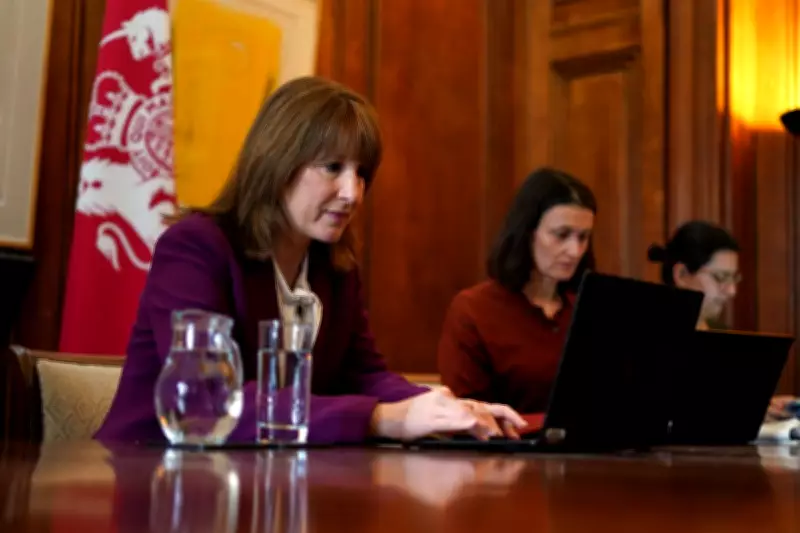
On Monday, Chancellor Reeves participated in a virtual meeting with finance ministers from other G7 nations to discuss potential measures, including the proposed oil reserve release. Despite these high-level discussions, the session concluded without agreement on any definitive action plan, underscoring the complexity of coordinating international responses to unfolding crises.
The Chancellor's warnings come at a time when the UK economy faces multiple challenges, with inflation remaining a persistent concern for policymakers and households alike. The conflict's potential to disrupt energy supplies and drive up commodity prices represents a significant threat to economic stability.
As the situation develops, the Treasury continues to monitor market reactions closely while exploring all available options to cushion the British economy from external shocks. The Chancellor's proactive stance reflects growing recognition that domestic economic policies must increasingly account for unpredictable international events.