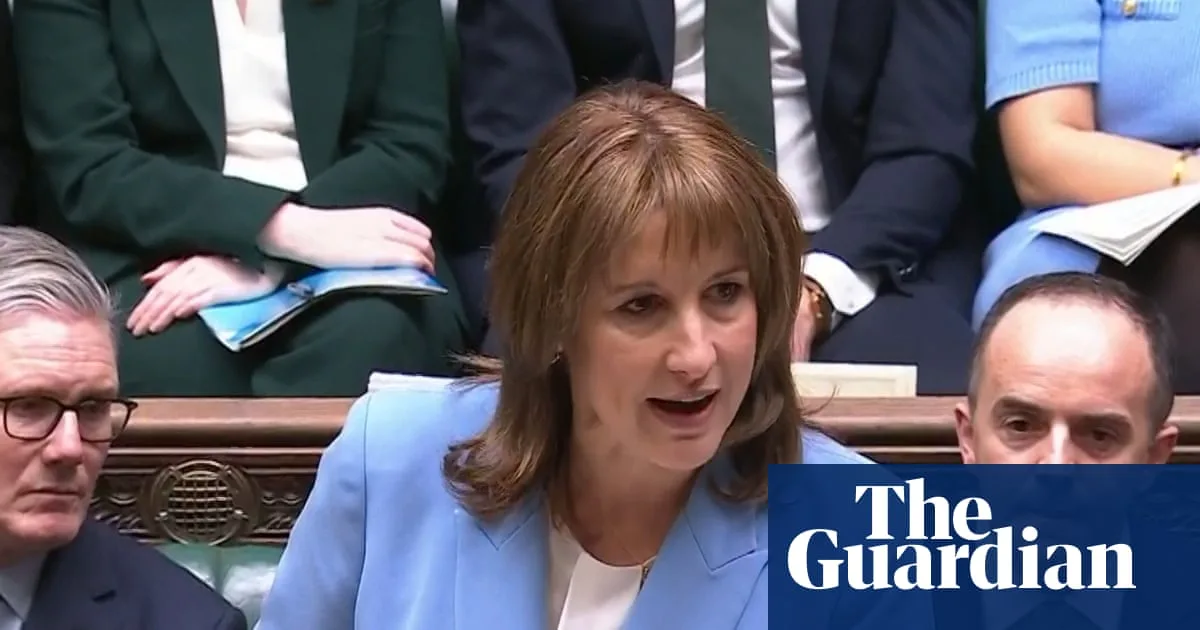
Just six days after Chancellor Rachel Reeves confidently declared in her Spring statement that she was transforming Britain into a modern El Dorado, she returned to the Commons chamber with a starkly different message. In a hurried and flustered delivery, she announced there would 'likely be upwards pressure on inflation', effectively discarding last week's optimistic forecasts and admitting the economic situation had taken a dramatic turn for the worse.
A Chancellor Under Pressure
The session was intended to address the Iran attacks, a topic where opposition MPs might have offered a measure of bipartisan support during a time of national peril. However, Reeves' performance quickly derailed any potential sympathy. Observers noted her limited parliamentary persona, lacking the nuanced shifts in tone, gesture, and pace that skilled politicians employ to convey authority and reassurance.
Instead, she appeared peevish and petulant, delivering her statements with rapid-fire speech that undermined her attempts to project calm. 'As I have demonstrated time and time again, I will take the necessary decisions,' she jabbered loudly, repeating phrases like 'I am clear-eyed' and 'I will be responsible' in a manner that critics described as solipsistic overload.
Torsten Bell's Distracting Spectacle
Compounding Reeves' difficulties was the behaviour of Treasury minister Torsten Bell, seated nearby on the front bench. The 43-year-old, whose energy belied his age, proved incapable of sitting still, offering a constant, visible commentary on the proceedings.
He nodded vigorously and pursed his lips in approval or frowned and tutted in disapproval, effectively heckling through gestures. This performance was particularly pronounced when Conservative, Liberal Democrat, or Reform MPs questioned Reeves, drawing attention away from her arguments and squandering any inclination in the House to give her the benefit of the doubt.
Policy Missteps and Linguistic Slips
Reeves' communication struggles were further highlighted when she discussed 'price-gouging' by petrol firms, an Americanism meaning profiteering. In a characteristic slip, she mispronounced it as 'price-gorging', causing Bell's eyes to bulge in reaction. She urged MPs to report greedy petrol stations to the Competition and Markets Authority, even suggesting a specific filling station on the outskirts of Ross on Wye, Herefordshire, as an example.
Simon Hoare, Conservative MP for North Dorset, pressed Reeves to 'actively get a grip on this' and keep petrol prices low. During this exchange, Bell made strange hand gestures, almost implying Hoare was intoxicated—a notion quickly dismissed, as Hoare is known for his sober, if pompous, demeanour.
A Contrast in Seriousness
The session took a more dignified turn when Defence Secretary John Healey took the despatch box after what was described as a 'cheapening hour' from Reeves. Immediately, a sense of political seriousness filled the chamber. Healey and his shadow, James Cartlidge, engaged in sharp but substantive exchanges about the Ministry of Defence's preparedness and past Tory governments' roles in the Royal Navy's performance during the crisis.
This contrasted starkly with Reeves' tenure, where a sense of national endeavour and honesty was notably absent. Sir Edward Leigh, Father of the House and Conservative MP for Gainsborough, captured the mood by murmuring, 'I'm not sure if in the middle of a war it helps to be overtly party-political.'
Historical Parallels and Reactions
The scene evoked memories of Fleet Street's old days, when football correspondents had to hastily revise their reports after injury-time goals, shouting 'Insert "not"!' to alter facts. Similarly, Reeves' rapid shift from growth rhetoric to inflation warnings left observers questioning the reliability of government forecasts.
Watching from the peers' gallery, former Chancellor Lord Lamont succumbed to a nasty coughing fit, adding a touch of dark humour as it seemed emergency mechanics might be needed. Overall, the debate underscored Reeves' challenges in navigating economic turbulence, with Bell's antics serving as an unwelcome distraction in a critical parliamentary moment.