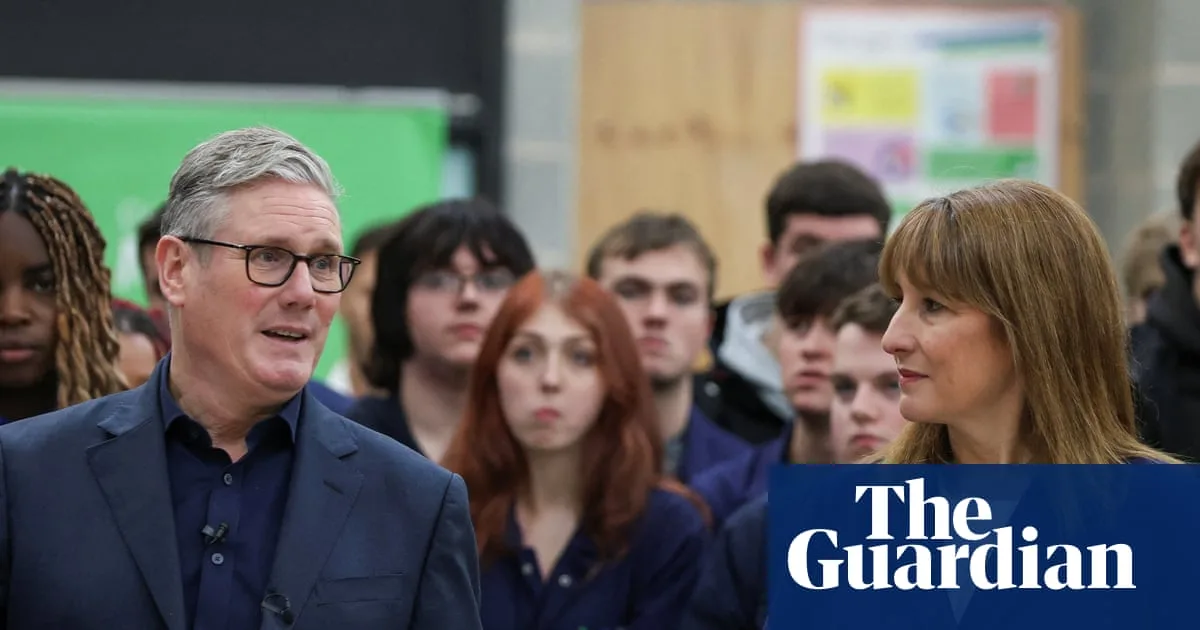
Chancellor Rachel Reeves is expected to raise £7.5bn from millions of workers by freezing income tax thresholds for two years in the upcoming budget, following a decision to scrap controversial plans to raise the headline rate. The move comes after a turbulent week for the government, marked by a sell-off in the bond market and concerns over the prime minister's authority.
The two-year freeze will generate additional revenue as inflation and wage growth push more people into higher tax brackets. This change in strategy follows indications that the fiscal black hole was closer to £20bn than the previously estimated £30bn, allowing for less radical measures.
Other potential tax rises include ending tax breaks for salary sacrifice pension schemes and introducing a new tax on electric vehicles, each estimated to raise around £2bn. However, analysts suggest these measures may not be sufficient to fill the gap and achieve the desired £15bn buffer.
The decision not to raise income tax rates broke a manifesto promise, sparking a sell-off in the markets as investors pushed government borrowing costs higher and the pound lower. The Treasury declined to comment on budget speculation, but sources confirmed the switch occurred after talks between Reeves and Prime Minister Keir Starmer.
Political fallout has been significant, with Starmer's authority weakened and MPs pressuring him to avoid further damage to Labour's position. Health Secretary Wes Streeting, a potential challenger, welcomed the decision, emphasising the importance of maintaining trust with voters.