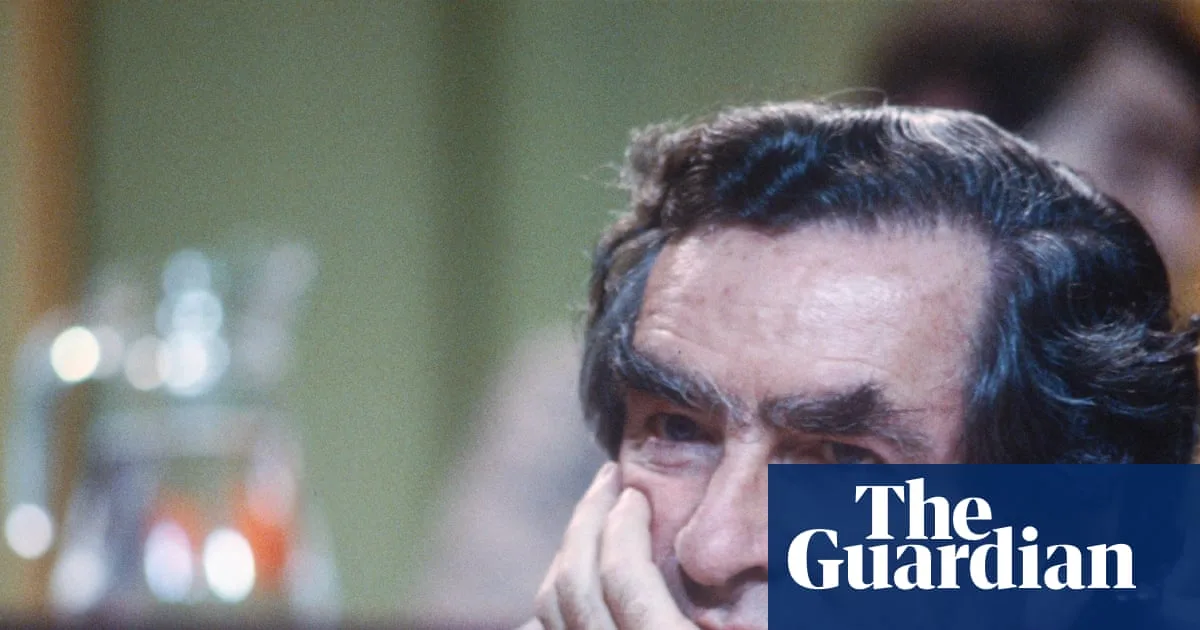
Despite sluggish growth and rising borrowing costs, most economists agree that Chancellor Rachel Reeves does not face a repeat of the 1976 IMF bailout. Comparisons with Denis Healey's predicament are “complete nonsense” and “just hysteria”, according to Michael Saunders, a former Bank of England policymaker.
The UK’s long-term borrowing costs have risen close to their highest since 1998, adding pressure on Reeves ahead of a tough autumn budget. Most expect tax increases to cover a shortfall of between £20bn and £40bn against her fiscal target. However, economists note stark differences from 1976, when inflation was near 17% and interest rates at 15%.
Today, inflation is around 3.8% and set to peak at 4%, interest rates have been cut to 4%, and the pound has strengthened. A recent auction of £5bn in three-year gilts was more than three times oversubscribed. Growth in the first half of 2025 was the fastest in the G7.
Jagjit Chadha, a Cambridge economist, warned the UK’s “unsustainable path” should not be underplayed, but acknowledged an IMF loan is not imminent. The Treasury remains wary after Liz Truss’s mini-budget triggered a market meltdown in 2022, and high national debt and an ageing population add to fiscal strain.