

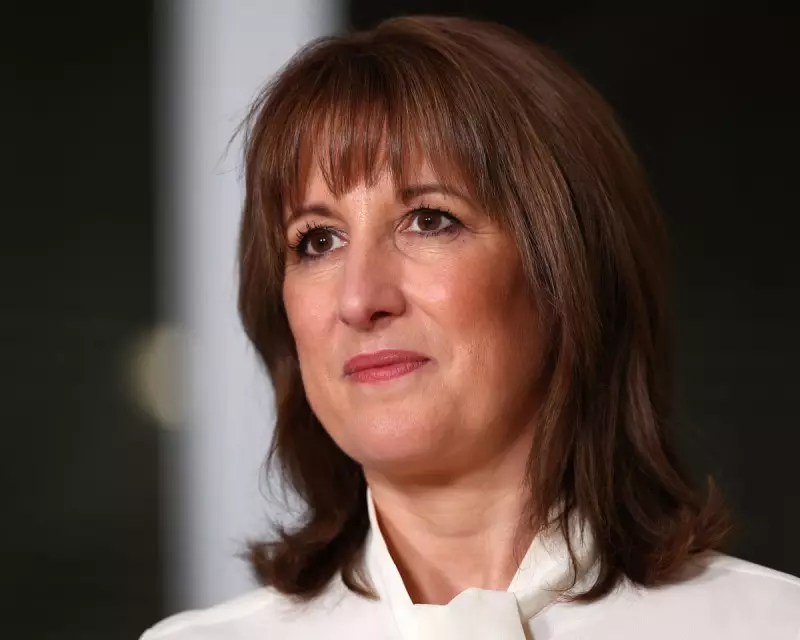
Chancellor Rachel Reeves found herself in the hot seat during a tense BBC Radio 4 Today programme interview, defending her first major budget against accusations of broken promises and fiscal sleight of hand.
The Threshold Freeze Controversy
In a revealing exchange with presenter Nick Robinson, the Chancellor was pressed on her pre-election commitment not to raise income tax. Reeves argued that freezing tax thresholds did not constitute a tax increase, despite the policy inevitably dragging more people into higher tax brackets. This technical distinction allowed the government to increase tax revenue while maintaining they had kept their pledge on direct taxation rates.
The Chancellor faced particularly tough questioning about the £6 billion allocated for additional spending and the £20 billion in claimed fiscal headroom. Robinson challenged whether these figures would prove sufficient, given the Office for Budget Responsibility's cautious projections and their reliance on Conservative-era productivity estimates that Labour considers overly pessimistic.

Political Fallout and Apology Demands
The interview took an uncomfortable turn when Robinson directly asked Reeves to apologise for what critics labelled a broken promise. The Chancellor refused to express regret, instead emphasising that her choices were necessary and constrained by independent fiscal forecasts. She maintained that all decisions represented fair and responsible economic management.
Another contentious area involved the lifting of the two-child benefit cap, a policy reversal forced upon the Chancellor by backbench rebellion. Reeves defended the move by highlighting how it would lift hundreds of thousands of children out of poverty, noting that most affected families contained working parents.
Broader Budget Reactions
The programme also featured Mel Stride, the shadow chancellor, who described Labour's budget as the worst in living memory. Robinson quickly countered this hyperbole by noting it was merely the worst budget since the last one, and reminded Stride of Conservative broken promises and record welfare spending increases during their tenure.
More measured analysis came from Helen Miller of the Institute for Fiscal Studies, who presented a balanced scorecard of the budget's measures. She noted that no political party has demonstrated a firm grasp of comprehensive tax reform, with politics consistently undermining policy coherence. Miller also questioned the timing of many tax rises and spending cuts, scheduled to take effect just before the next general election.
The Chancellor concluded by positioning herself as a Bringer of Growth, insisting she would prove economic forecasters wrong through numerous small measures that the OBR couldn't individually score but would collectively supercharge the economy. Robinson offered a more cynical interpretation, suggesting the budget primarily served to secure the positions of Reeves and Prime Minister Keir Starmer for another year - the fundamental purpose of most budgets.






