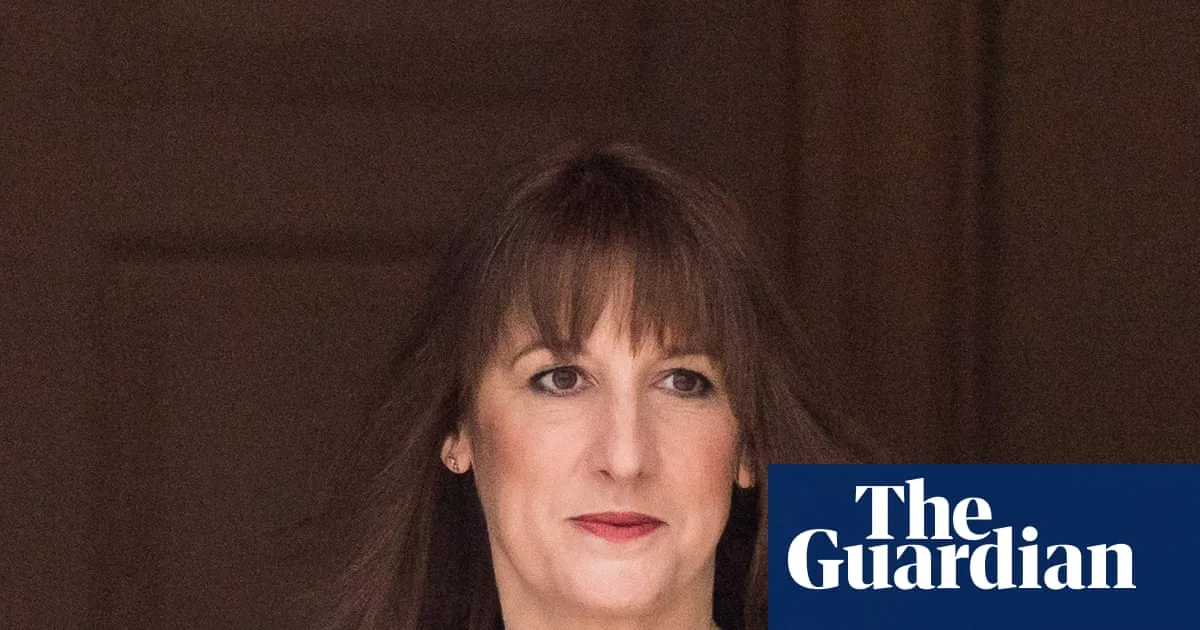
Chancellor Rachel Reeves is reportedly considering raising income tax at next month's budget to help address a multibillion-pound shortfall, sources have told the Guardian. The move would break a key Labour manifesto pledge, with Treasury discussions focusing on adding 1p to the basic rate or increasing higher or additional rates.
The government faces an estimated shortfall of over £30bn, partly due to the Office for Budget Responsibility downgrading productivity forecasts. Adding 1p to the basic rate would raise more than £8bn, while raising higher and additional rates would bring in around £2bn and £230m respectively. Reeves is said to be nervous about the political fallout, especially after breaking a similar pledge on national insurance last year.
Some advisers argue that raising income tax may be necessary to ensure sufficient headroom against fiscal rules and avoid further tax rises later in the parliament. However, others warn that increasing the basic rate could exacerbate cost-of-living pressures. The Treasury is also considering raising an additional £2bn by increasing national insurance for professionals such as doctors and lawyers employed through partnerships.
A senior official described a 'very live debate' about how bold to be on fiscal headroom, with some advocating for a larger buffer to allow for potential tax cuts before the next election. Another source noted that while the politics are difficult, the priority should be doing the right thing. The Treasury declined to comment, and both Reeves and Prime Minister Keir Starmer have insisted their manifesto commitments 'stand' without guaranteeing they won't be broken.