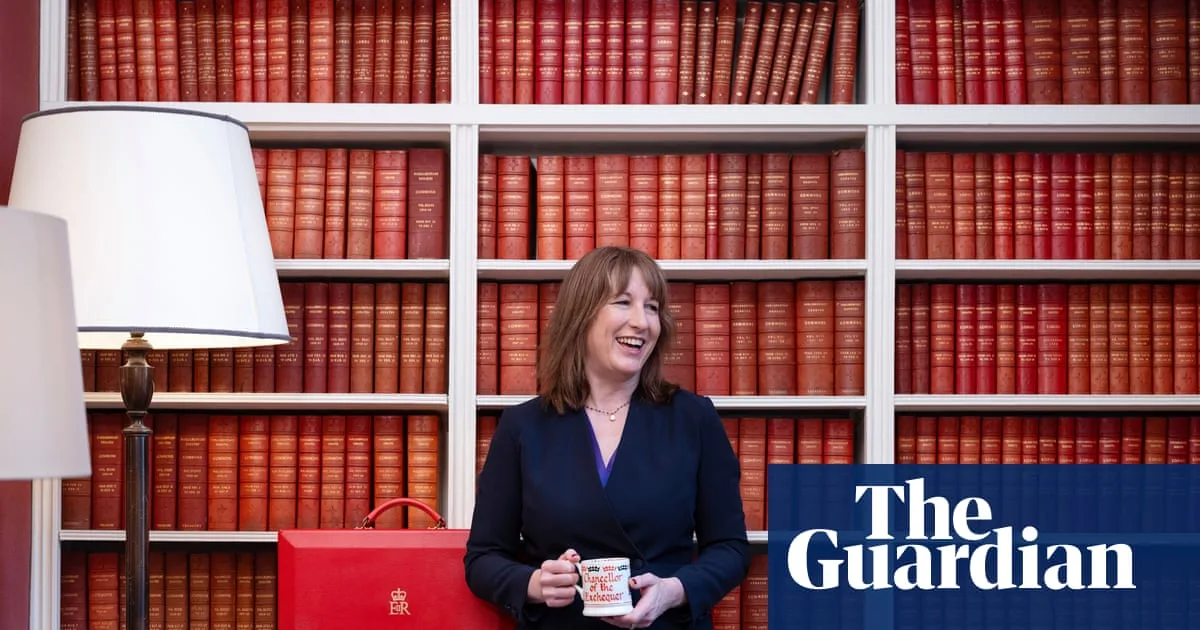
Chancellor Rachel Reeves has insisted that Britain’s wealthy must bear the cost of repairing the UK’s “creaky” public services, as she defended her decision to raise taxes by £26bn in this week’s budget. In an interview, Reeves said she had made “fair and necessary choices” and was unwilling to cut spending on schools, hospitals and infrastructure, despite a downgrade in productivity forecasts.
Reeves rejected calls to “cut our cloth accordingly” following the Office for Budget Responsibility’s (OBR) revised forecasts, arguing that investment was essential to boost productivity and growth. She said the easiest option would have been to cut capital spending, but that would have left the UK trapped with weak growth. The chancellor also faced a row with the OBR, which suggested she knew about the downgraded forecasts before she changed her mind on income tax.
On leadership speculation, Reeves dismissed suggestions that Labour MPs were challenging Prime Minister Keir Starmer, saying “they want Keir to succeed”. She warned that frequent changes of leader and chancellor under the previous government were “bad for the country”. Reeves argued that any successor would face the same economic challenges, including global volatility and the “dire inheritance”.
With taxes set to reach a historic high, Reeves declined to rule out further increases, but denied that the burden fell more on working-age people than pensioners. “The economic burden in the budget was not about age. It was about wealth,” she said. She also defended spending £3bn a year to reverse welfare cuts and lift the two-child benefit cap, saying it was unreasonable for children to grow up in poverty.
Reeves confirmed that the option of raising income tax remained on the table until after the productivity downgrade was known, but said her ambition to increase fiscal headroom did not change. She described the leak of OBR forecasts just before the budget as “a bit of a scary moment”, but stressed that her decisions were based on economic necessity rather than political pressure.